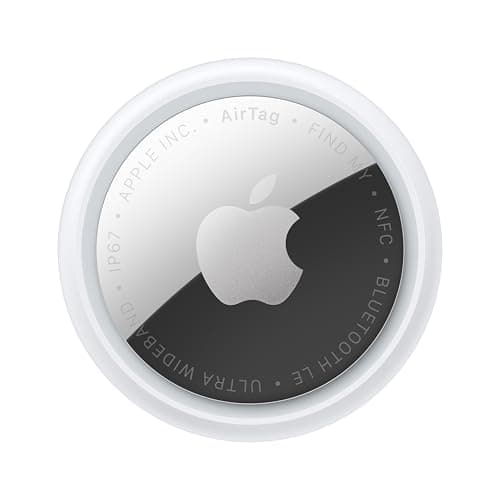
Review
Apple AirTag review
The largest network, Precision Finding, more than a year per coin cell, and no subscription ever. iPhone only, and no keyring hole.

One device at a time
One device per page: what it is, what the manufacturer claims, what the plan costs across three years, and who should not buy it.
By Mike M.Last updated
#ad — we earn a commission if you buy through the links on this page, at no cost to you. It never changes what we recommend, and the structural reason it cannot is that we recommend the no-subscription devices, which pay the least. Full disclosure.
Here is what these reviews are, stated plainly, because the convention in this category is to imply otherwise. We have not lab-tested these devices. We have not run battery endurance trials, measured range across a field, or dunked anything in a sink. We do not have a lab and we are not going to pretend we do.
What we have done is read every manufacturer's published specification and cite it, find and cite the actual subscription price, work out what thirty-six months of ownership costs at those published figures, and say plainly who each device is wrong for. That is a smaller claim than most review sites make and a more useful one than most of them deliver, because the number that decides this purchase is almost never a lab measurement — it is the plan price, and almost nobody prints it.
Every review follows the same shape: a spec table with a source for each line, the three-year cost of ownership, who it suits, who should skip it, and the named alternatives with links. Where a spec cannot be sourced to the manufacturer, the page says the spec is unconfirmed rather than borrowing a figure from a competitor's review.
Prices on these pages are live from Amazon and carry the date they were checked. If a price is older than 48 hours it disappears and the button reads "check price" instead, because a stale number is worse than no number.
Everything in this section
Review
The largest network, Precision Finding, more than a year per coin cell, and no subscription ever. iPhone only, and no keyring hole.
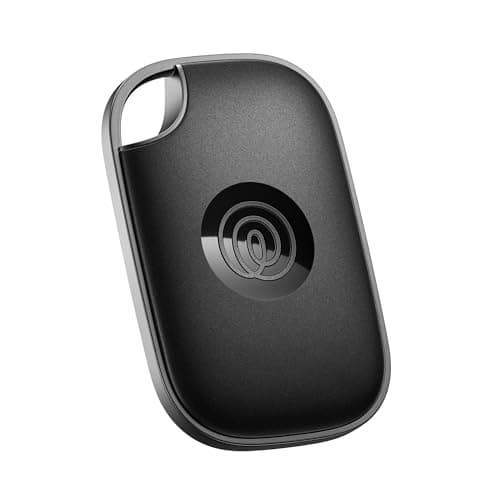
Review
Works identically on iPhone and Android from one app, which nothing else mainstream does. Smallest network, CR2477 cell, Life360 upsell.
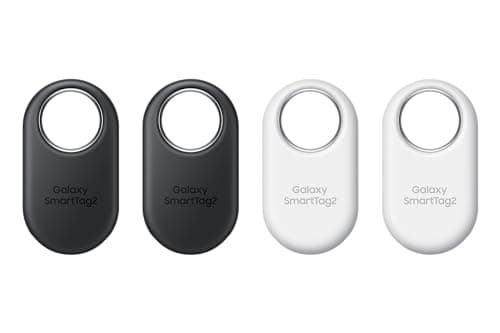
Review
500 stated days of battery — the longest claim here — plus UWB and a built-in hole. Needs a Galaxy device, not just any Android phone.
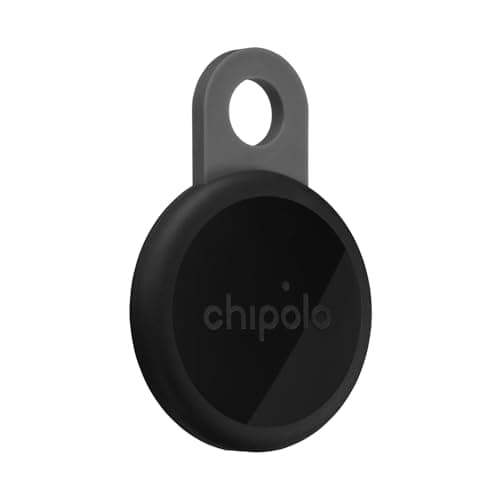
Review
Apple Find My or Google Find Hub, a stated 125 dB, about a year per charge and a loop built in. No paid tier, and no Precision Finding.
Review
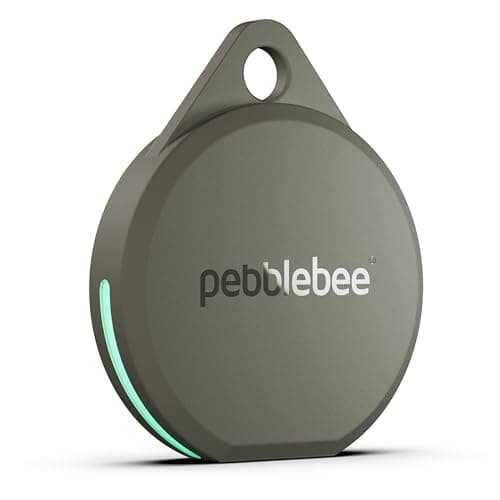
130 dB stated siren, 12 months per USB-C charge, Find My or Find Hub, and Pebblebee states it has no access to your location data. IP66.
Review
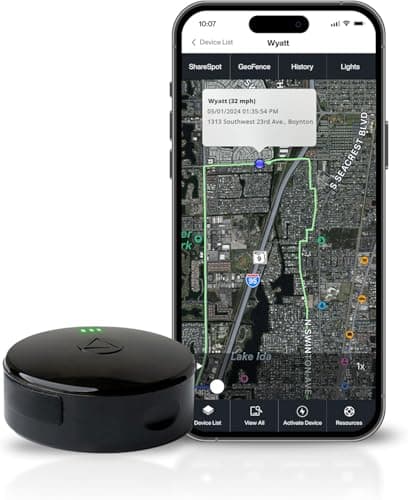
Magnetic, waterproof, no install, real-time cellular. A plan is required and is the larger half of ownership — price it before you buy.
Review
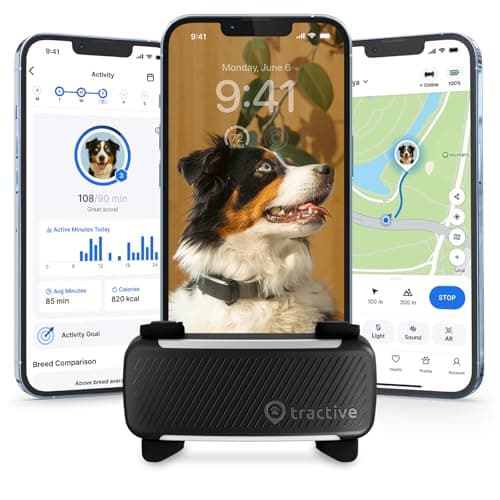
Live tracking, a working virtual fence, and the most mature platform in pet GPS. $252 of plan across three years on the published Basic rate.

Review
Tamper-resistant, with an assistive speakerphone, built for a wearer who cannot call for help. The monthly rate is not published; the activation fee is $59.
Review
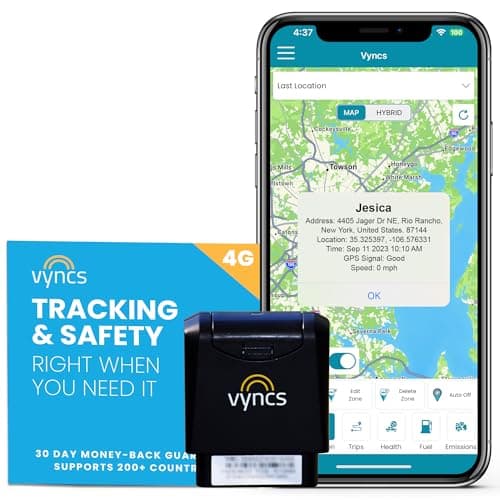
OBD-II, 60-second reporting, trip replay and diagnostics — with the service prepaid rather than billed monthly. Ask what renewal costs.
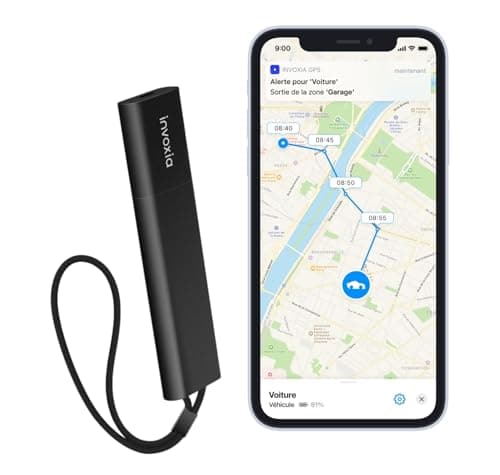
Review
Low-power tracking with battery life in weeks and motion alerts, for bikes, motorcycles and vans. The listing states no subscription is included.
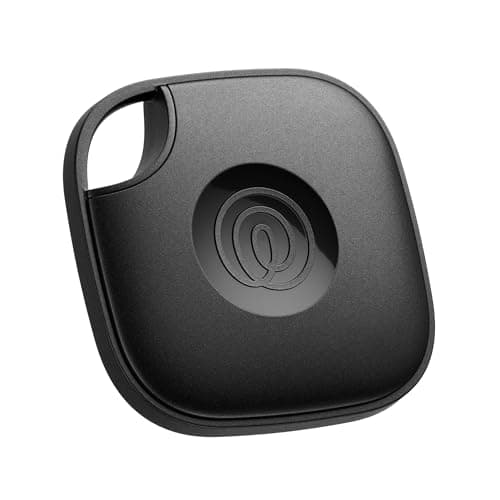
Review
Cross-platform like every Tile, with a keyring hole and a CR2032 rather than the Pro's awkward CR2477. Shorter range, quieter, cheaper.
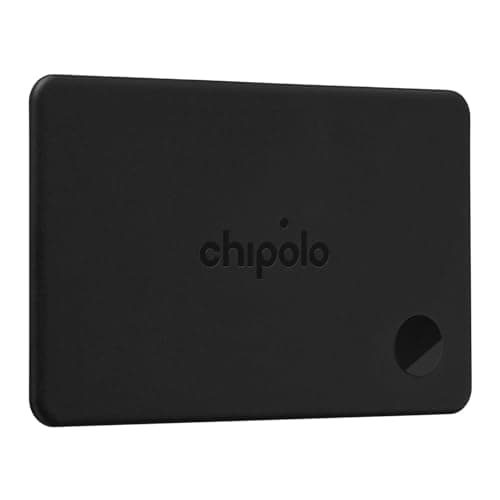
Review
Rechargeable card tracker on Find My or Find Hub, so it neither expires nor locks you to a platform. Quiet, as every card is.
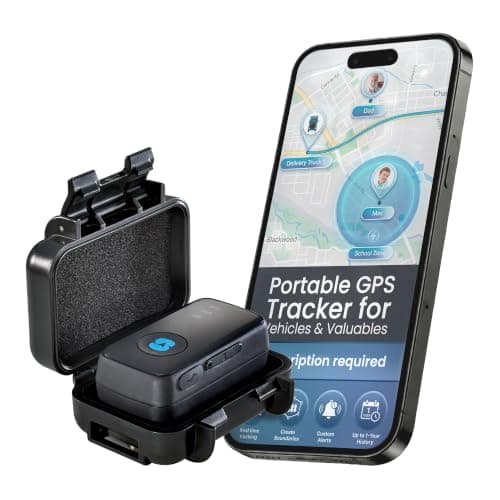
Review
Magnetic, real-time, well-supported — and the clearest illustration of the subscription trap: the device is 4% of what three years costs.
A spec table with a source per line. Every battery figure, range figure, IP rating and dimension is attributed to the manufacturer's own page, with the date we read it. Where a figure is only available from another review site, we mark the spec unconfirmed rather than launder someone else's claim into ours.
The real plan price, or an explicit statement that the brand does not publish one. This is the number that decides the purchase and it is the number most reviews omit. Where we have it, it is cited. Where the brand hides it — AngelSense is the clearest example — we say that, because a product whose price you cannot look up is itself a finding.
Three-year cost of ownership. Device price plus thirty-six months of plan plus activation. Reordering a category by this number alone changes the winner about half the time.
Who should skip it. Every review names at least one buyer for whom the device is the wrong purchase. If we cannot think of one we have not understood the product well enough to review it.
A score. No stars, no number out of ten, no "our rating". A score implies a measurement, and we did not measure anything. Giving a device 8.7 after reading its spec sheet is decoration with a number painted on it.
Testing language. We have not tested these. Not "in our testing", not "after two weeks of use", not "we measured". The phrase appears on nearly every competing page in this category and on a great many of them it is not true. We would rather make a smaller claim accurately.
Review or rating structured data. The same principle applied to the machine-readable version of the page: we do not emit Review, Rating or AggregateRating markup, because that markup asserts a first-hand rating we do not have. The specifications and the live offer are marked up; our opinion is left as prose, where it belongs.
Prices typed in by hand. Every price is pulled live from Amazon and stamped with the date. If the feed stops, the numbers disappear within 48 hours and the buttons read "check price" instead. A missing number is honest; a rotted one is not.
Questions
Also worth reading

Head to head
Most comparisons in this category are a feature grid with a winner at the bottom. These compare the thing that decides it: what each one costs you over three years, and which phone you own.

The whole point
Five different things get sold as "no monthly fee". Only two of them are. Here is the difference, and what each actually costs across three years.