Skip to content
Tag & Tether

One device at a time · Tracker Reviews

Invoxia GPS Tracker PRO review

Weeks of battery and a tow alert that tells you something moved while you can still act. An alarm with a map, rather than a live feed.

By Mike M.Last updated

#ad — we earn a commission if you buy through the links on this page, at no cost to you. It never changes what we recommend, and the structural reason it cannot is that we recommend the no-subscription devices, which pay the least. Full disclosure.


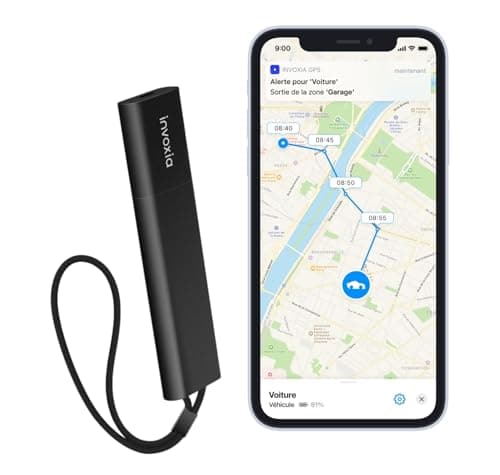
What it is: a low-power tracker designed for bikes, motorcycles, vans and equipment, with battery life measured in weeks rather than days and motion or tow alerts as the headline feature.

It is not a conventional cellular tracker. It reports periodically over a low-power network rather than continuously, which is what buys the battery life and what defines what it is good at.

The specifications

TechnologyLow-power network tracker, not continuous 4G reporting.
BatteryWeeks per charge, which is the main reason to choose it.
AlertsMotion and tow alerts — the feature that matters most on a bike.
Intended useBikes, motorcycles, vans, caravans, equipment.
SubscriptionInvoxia's own listing for this version states that no subscription is included. A plan is a separate purchase.

The subscription note, which deserves attention

The Amazon listing for this version is explicit that no subscription is included. That phrasing gets read two ways and only one of them is right.

It does not mean “no subscription needed”. It means the plan is not bundled, so it is a separate line on your bill. Treat it as a warning on the box rather than a selling point, and establish the plan cost before buying.

Three-year cost of ownership

The device price above, plus a plan Invoxia sells separately and does not publish on a static page we can cite. We are not going to estimate it.

For context, the cellular plan rates we can cite run from $8.95 a month — $322 over three years — to $12.95 a month paid annually, which is $466. A low-power network device should be cheaper to run than a 4G one, because it moves far less data, but that is reasoning rather than a cited figure. The rates we can cite are here.

Invoxia Invoxia GPS Tracker PRO
$99.00View on Amazon

Price as of October 8, 2026. Prices move — Amazon's at checkout is the one that counts.

#ad · we may earn a commission from this link to Invoxia GPS Tracker PRO

Plan requiredInvoxia

Invoxia GPS Tracker PRO

Bikes and motorcycles left outside

The right instrument for a theft you want to know about immediately rather than reconstruct later. No subscription included, which is a warning not a feature.

The subscription reality

Invoxia's own listing is explicit that no subscription is included with this version — a plan is a separate purchase. Treat that as a warning on the box rather than a selling point.

Specs, as published by Invoxia

  • Low-power network tracker with a long stated battery life
  • Designed for bikes, motorcycles and vans
  • Motion and tow alerts

Good

  • Battery life measured in weeks, not days
  • Good at the one job it exists for: telling you something moved that should not have
  • Well-made hardware

Not so good

  • No subscription included on this version, so the plan is an extra line on the bill
  • Low-power networks update less often than 4G
  • Expensive device

Skip it if

you want second-by-second tracking. This reports periodically; it is an alarm with a map, not a live feed.

Why “alarm with a map” is the right frame

This is the most useful thing to understand about the Invoxia, and it is a strategic point rather than a specification.

A stolen motorcycle or e-bike is very often lifted into a van and stripped within hours. The useful window is the minutes after it moves, not the hours after you notice.

A device that pings your phone the instant the bike moves when it should not gives you a chance to act. A device that quietly logs a precise route you read the next morning gives you a map of where your bike used to be.

The Invoxia is built for the first job. Its periodic reporting is a weakness as a live tracker and irrelevant as an alarm, which is why we recommend it for bikes and not for a car you want followed in real time.

What it is good at

Battery life in weeks. On a bike or a caravan that sits for long periods, this is the specification that decides whether the device is working when it matters. Conventional 4G trackers last days.

Tow and motion alerts. The right instrument for theft, as above.

Build quality. Well-made hardware designed to live outdoors on a vehicle rather than in a glovebox.

What it is not good at

Live pursuit. Periodic reporting means gaps. If you want to watch something move continuously, this is the wrong device and a 4G tracker is the right one.

Being cheap. The device costs several times a basic magnetic tracker, and then there is the plan.

Clarity on cost. The no-subscription-included phrasing requires reading carefully, and the plan rate is not published where we can cite it.

Who should buy it

Anyone with a motorcycle or an expensive e-bike kept outside, where the realistic risk is a van arriving and the realistic need is an alert within a minute.

Anyone tracking a caravan, trailer or van that sits for weeks, where a conventional tracker's battery life is the binding constraint.

Anyone who wants a tow alert specifically rather than a position feed.

Who should skip it

Anyone tracking a car with 12V available. Hardwire a conventional tracker: continuous reporting, no charging, and cheaper.

Anyone who wants to follow something in real time. Periodic reporting is the wrong tool.

Anyone tracking a bicycle in a city. A Find My tag in a hidden bolt-on mount, or a Knog Scout with a motion alarm and Find My, costs a fraction and has no plan at all. The Invoxia is for assets whose value justifies the cost.

The alternatives, named

Knog Scout — bolts to a bottle-cage mount, 85 dB motion alarm plus Apple Find My, and no subscription at all. The right answer for a bicycle.

Optimus GV75MG — waterproof and hardwired, for a motorcycle with a loom you can tap. Continuous reporting, no charging, plan required.

A hidden Find My tag — no plan, reports through passing phones, silent in a van. A sensible second layer alongside any of the above for about twenty-five dollars.

TrackmateGPS Mini PRO II — if what you want is recovery rather than notification, its remote starter disable is the feature that turns a location into a recovered vehicle.
How we picked

We did not lab-test these trackers

Everyone in this category claims to have tested twenty devices. We have not tested any of them, and we say so on every page. What we did instead: read each manufacturer's published specifications and cite them with the date, find the actual subscription price and cite that too, and work out what thirty-six months of ownership costs at those published figures. Device prices come live from Amazon's API and expire after 48 hours rather than going stale. Where a figure could not be sourced to the manufacturer, the page says the spec is unconfirmed rather than borrowing it from a competitor's review. The full method is on the methodology page.

Working out what a tracker really costs? See the three-year cost of every tracker, compared.

Questions

Frequently asked

Does the Invoxia GPS Tracker PRO need a subscription?
Yes, and the listing is explicit about it in a way that is easy to misread: this version states that no subscription is included, which means the plan is a separate purchase rather than that no plan is needed. Treat it as a warning on the box rather than a selling point. Invoxia does not publish the plan rate on a static page we can cite, so establish the figure before buying.
How long does the Invoxia battery last?
Weeks rather than days, which is the main reason to choose it over a conventional 4G tracker. It achieves that by reporting periodically over a low-power network instead of continuously — which is also precisely why it is a good alarm and a poor live tracker. On a bike or a caravan that sits for long periods, that battery life is the specification that decides whether the device works when it matters.
Is the Invoxia good for a motorcycle?
It is one of the better instruments for one, for a strategic reason: a stolen motorcycle is often lifted into a van and stripped within hours, so the useful window is the minutes after it moves rather than the hours after you notice. A device that alerts you the instant the bike moves gives you a chance to act, where a precise route you read the next morning gives you a map of where your bike used to be.
Can the Invoxia track in real time?
Not continuously. It reports periodically over a low-power network, which buys the long battery life and means there are gaps. If you want to watch something move in real time — a car being driven away, for instance — a conventional 4G tracker is the right tool and this is not. Think of the Invoxia as an alarm with a map rather than a live feed.
Is the Invoxia worth it for a bicycle?
Usually not — the device and plan together cost a large multiple of the alternatives. For a bicycle in a city, a Find My tag in a hidden bolt-on mount costs nothing to run, or a Knog Scout adds an 85 dB motion alarm plus Find My with no subscription at all. The Invoxia earns its place on an expensive e-bike or a motorcycle, where the asset value justifies the cost.

Read next

Where the figures came from

Sources

Every specification and plan price on this page traces to one of these, read on the date shown. Device prices are live from Amazon and stamped separately.

  1. LandAirSea — service plans — accessed 2026-10-05
  2. Spytec GPS — plan pricing ($14.95/mo monthly, $12.95/mo paid annually) — accessed 2026-10-05
  3. Amazon Product Advertising / Creators API — live prices and product images — accessed 2026-10-05