Range is the most prominently advertised and least useful specification in this category, and understanding why saves you from buying the wrong tag for the wrong reason.
What the published figures are
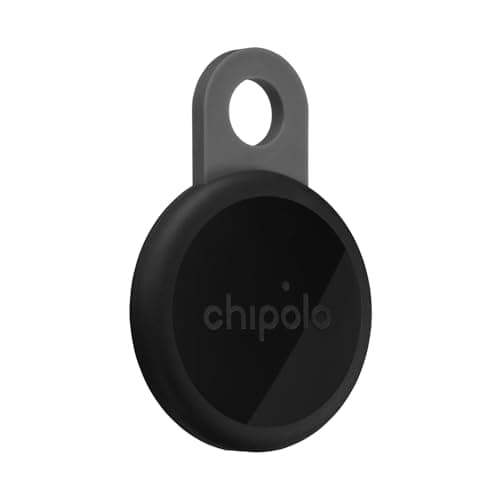
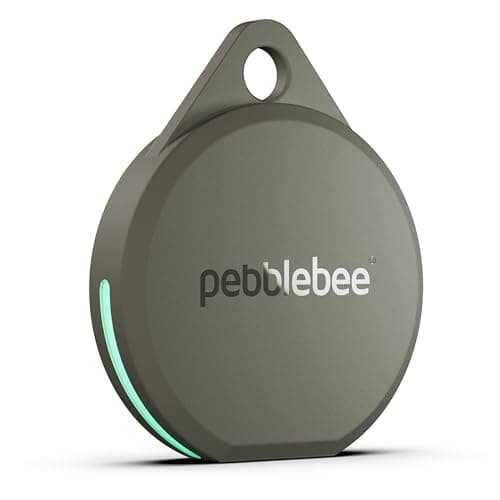
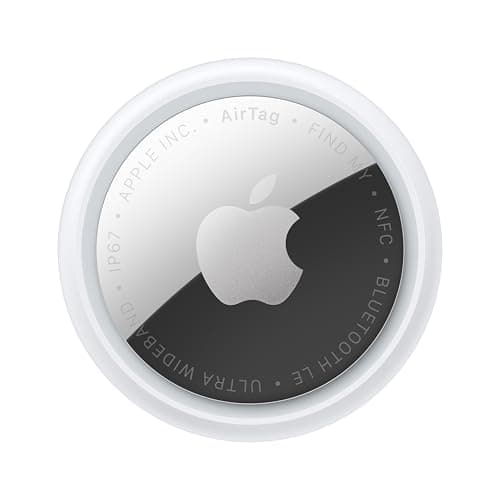
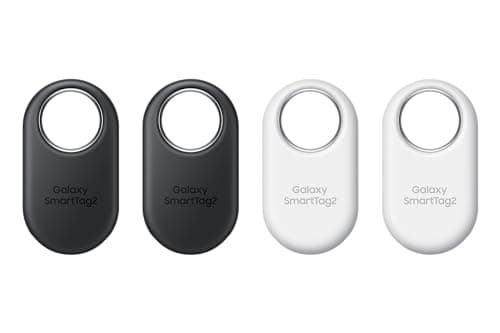
Samsung states up to 120 m for the SmartTag2 over Bluetooth LE 5.3. Chipolo states up to 120 m, or 400 ft, for the LOOP. Pebblebee states 500 ft for the Clip 5. Apple publishes no Bluetooth range figure for the AirTag at all.
All of those numbers are open-field, line-of-sight, nothing in the way. They are measured the way antenna specifications are always measured, and they are not dishonest — they are simply answering a question you did not ask.
What happens in a building
Bluetooth at 2.4 GHz is absorbed and reflected by almost everything in a house. A single plasterboard wall takes a meaningful bite. A brick wall takes more. Foil-backed insulation, a fridge, a car body, a filing cabinet — all of those attenuate badly.
Through two internal walls, expect a fraction of the quoted figure. Inside a metal box — a cargo hold, a shipping container, a steel tool chest — expect approximately nothing.
And why none of that matters much
Here is the part that reframes the whole specification. Direct range is almost never what finds your lost item.
A crowd-network tag is heard by a stranger's phone and the position is relayed to you. That stranger might be three hundred miles away. Against that, the difference between 120 m and 150 m of direct range is irrelevant.
The effective range of a crowd-network tag is the distance to the nearest participating phone. In a city that is meters. On a moor it is infinity. That is the figure that decides whether you find your keys, and no manufacturer can print it on a box because it depends entirely on where you are.
The one situation where direct range matters
The last stage of a search, when you are already in the right building and trying to work out which room.
At that point you are within direct Bluetooth range, and two things help: a loud alarm, and Ultra Wideband precision. A few extra meters of Bluetooth range helps hardly at all.
Which is why we consistently say buy loudness, not range for anything lost indoors. Pebblebee states 130 dB and Chipolo about 125 dB; those numbers will change your experience and the range figures will not.
How to read a range claim properly
Bluetooth range on a tag: a lab figure. Note it, ignore it, and look at the network and the alarm instead.
Range on a cellular tracker: meaningless as a concept — a cellular tracker reports from anywhere with mobile coverage. A quoted range on one of these is either an error or a Bluetooth figure for a secondary feature.
Range on a radio system: this one genuinely matters, and it is still open-country. A stated three or nine miles is line-of-sight; a hill between you and the dog cuts it hard, and dense conifer plantation cuts it further. The practical technique is to gain height when you lose the signal.
Four things that affect real-world range
Metal. The biggest factor by far. A tag under a steel car floorpan or inside a tool chest reports far less often than the same tag in a fabric bag. If you are hiding a tag, prefer plastic and fabric over metal.
Water, including bodies. 2.4 GHz is absorbed by water, which is why a tag in a pocket against your body performs worse than one on the outside of a bag.
Height. A tag at ground level in a dip is heard by fewer passing phones than one at waist height. Marginal, but real.
Case thickness. A thick holder can muffle the speaker badly, which matters more than the radio does. If the chirp is quieter in the case than out of it, change the case.
What to take away
When comparing tags, in order: which network can my phone use, then how loud is it, then battery and form factor. Published Bluetooth range belongs near the bottom of that list, and the fact that Apple does not publish one at all is arguably the most honest position in the category.