A $17.95 tracker and a $34.99 tracker are not a cheap option and an expensive one. Across three years the first one costs about $484 and the second costs about $38. That inversion is the single most important fact in this category and almost no review site prints it, because printing it makes the cheap-looking products look bad and the cheap-looking products are the ones with affiliate programs attached to a recurring plan.
So here is the arithmetic, done once, for everything we recommend anywhere on this site. The method is deliberately trivial: device price plus published plan rate × 36 months plus any activation fee or mandatory accessory. Thirty-six months because people buy a tracker and keep it until it breaks, and because twelve months is precisely the window a bundled-service device is designed to look good inside.
Device prices move, so they are not baked into the plan figures below — every price on this site comes live from Amazon with the date it was checked attached, and vanishes if it is more than 48 hours old. Add the live price to the plan figure and you have the real number.
The plan costs, from each brand's own page
Every row below is a figure the manufacturer publishes, read on 5 October 2026. Where a brand does not publish a rate, the row says so — that is a finding, not a gap.
| Device / platform | Published plan rate | Cheapest route to 36 months | Verdict |
|---|
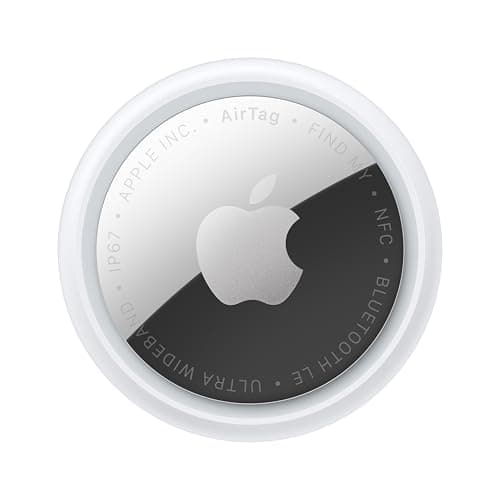
| Apple AirTag, Samsung SmartTag2 | None | $0 (about $3 in coin cells) | Genuinely free forever |
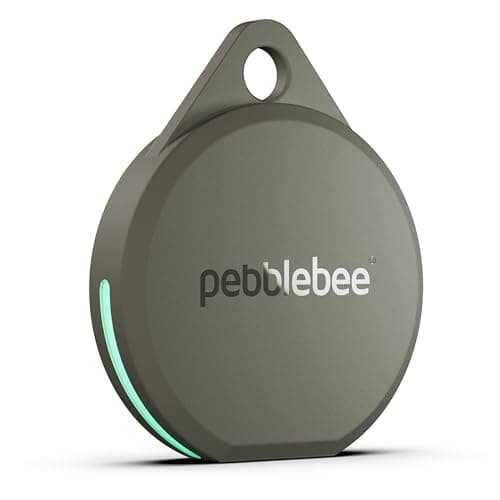
| Chipolo LOOP / POP / CARD, Pebblebee Clip 5 / Card 5 | None | $0 | Genuinely free forever |
| Tile (Life360) | Free tier; Silver $9.99/mo, Gold $16.99/mo, Platinum $24.99/mo | $0, or $359.64 on the cheapest paid tier | Finding is free; the advertised extras are not |
| Tractive (dog and cat) | Basic $9/mo on a 1-year term, $6/mo on a 2-year term | $252 (2-year $144 + 1-year $108) | Mandatory — the collar is inert without it |
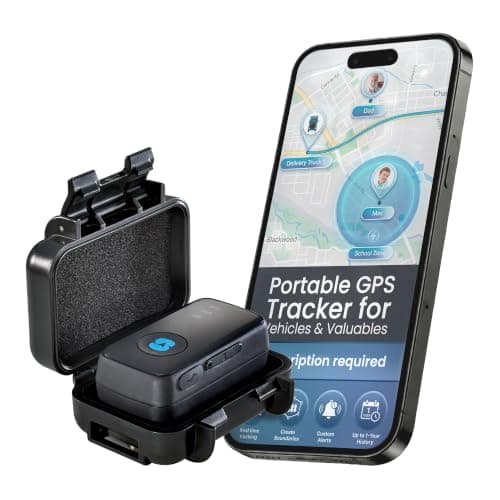
| Spytec GPS | $14.95/mo month-to-month, $12.95/mo paid annually | $466.20 at the annual rate | Mandatory. The device is 4% of the cost |
| LandAirSea Sync (OBD) | $8.95/mo, stated in the product's own title | $322.20 | Mandatory, and refreshingly upfront about it |
| AngelSense | Not published. $59 activation on the month-to-month plan; the Amazon bundle includes year one | Unquotable — rate only available on request | Mandatory, and you will be negotiating |
| Fi, Weenect | Membership / subscription stated as required; rate not published | Unquotable | Mandatory. Check at checkout |
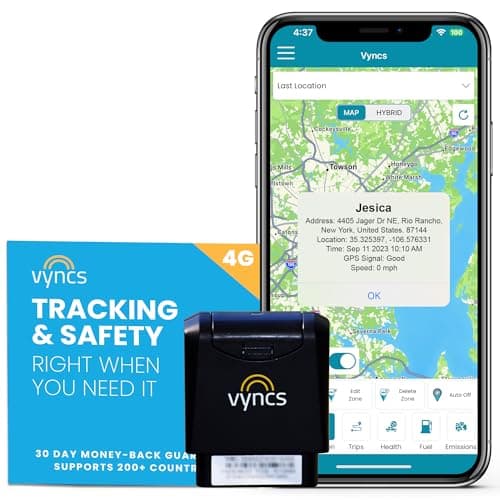
| Vyncs, TuTrackAI, FEELION | No monthly fee — service prepaid into the purchase | $0 recurring, plus an eventual renewal | True as stated. Ask what renewal costs |
| Garmin Alpha, Dogtra Pathfinder, Marco Polo, Girafus, eMACROS | None — radio, no SIM, no network | $0 | Free forever, and works with no signal |
The three worked examples that matter
Keys, iPhone household. One AirTag, a three-dollar keyring shell, and a CR2032 once a year. Three-year total: roughly $30. There is no plan to consider because there is no plan.
A dog that genuinely roams. A Tractive collar plus the cheapest honest route to thirty-six months on Basic: a two-year term at $144 followed by a one-year term at $108, so $252 of plan on top of the hardware. We still recommend it for that dog — but $252 is the number, and it is roughly ten times the cost of the collar over the same period.
A car, tracked covertly. Here the arithmetic genuinely reverses the category. A Spytec unit at its annual plan rate is $466 of plan across three years. A Vyncs OBD device with service prepaid is a larger single payment and nothing monthly. For anyone keeping the car more than about eighteen months, prepaid wins — which is the opposite of what the price tags suggest.
Why the sticker price is set so low
It is worth understanding the business model, because once you see it the whole category reads differently. A cellular tracker contains a SIM. The company buys mobile data wholesale, at a fraction of a cent per location report, and resells it to you at $9 to $15 a month. The hardware is frequently sold at or below cost, because the hardware is the customer-acquisition expense and the plan is the revenue.
That is not a scandal — it is the printer-and-ink model, and it is legal and common. The problem is only that the box says $17.95 and the thirty-six-month commitment attached to it says $466, and nobody in the review chain does the multiplication. We do it on every page.
The corollary is the part people find genuinely useful: there is no margin in a Bluetooth tag. Apple, Google and Samsung carry the network traffic for free because the tags make their ecosystems stickier, not because of a plan. So a tag maker has to make its money once, on the hardware, and then leave you alone. That is why the tag category has no subscriptions and why we recommend it for every job it can actually do.
What to ask before you pay for anything
Four questions, in this order. They will settle the purchase faster than any specification comparison.
1. Do I need to know where it is, or where it was?
This is the line between a tag and a tracker, and it is worth several hundred dollars. A tag tells you where something was when a phone last walked past it. For keys, a wallet, luggage, tools and a parked car, that is the answer to the question you actually have. For a dog in a field or a stolen vehicle, it is not. We work through that decision in detail here.
2. Will this thing be around people?
A crowd-network tag is only as good as the phones near it. In an airport it is extraordinary. On a ridge line it is nothing. If the answer is “no people”, you are choosing between cellular (if there is signal) and radio (if there is not).
3. If there is a plan, what is the published rate — and can I find it in ten seconds?
A brand that publishes its plan price on a page you can read without an account is a brand doing you a courtesy. Spytec publishes $14.95 and $12.95. LandAirSea puts $8.95 in the product title. Tractive publishes a full tier table. AngelSense publishes a $59 activation fee and no monthly rate at all. That last one tells you something before you have even looked at the hardware.
4. If the company disappears, does my device still work?
A Bluetooth tag runs on Apple's or Google's network, which is not going anywhere. A radio collar has no company in the loop at all. A cellular tracker stops working, because the servers were the product. This is not theoretical: while building this site we checked the HTTP responses ourselves and found that whistle.com now returns a 301 redirect to tractive.com, a competitor, and tryfi.com redirects to fitracking.com. Anyone who bought a Whistle collar on a multi-year plan has an opinion about this question now.
The rule of thumb, if you only remember one thing
Multiply the monthly figure by thirty-six and put it next to the device price. If the plan number is bigger — and it almost always is — then you are buying a subscription and the device is the sign-up gift. Decide whether you want the subscription. The device was never the decision.