Guide
The types of tracker, explained
The four tracking technologies, how each gets a position, what each costs to run, and the one test that tells them apart on any listing.

Mechanics & law
Range figures, battery claims, crowd networks, anti-stalking protections and the legal lines — explained once, properly, so the buying pages can stay short.
By Mike M.Last updated
Most bad tracker purchases come from one misunderstanding: people think a Bluetooth tag is a cheap GPS tracker. It is not a cheap version of the same thing. It is a different thing that solves a different problem, and understanding the difference saves more money than any discount code.
A Bluetooth tag has no idea where it is. It shouts its identifier into the air a few times a second, and if a stranger's phone hears it, that phone quietly reports the position to Apple or Google, who pass it to you. The tag is a beacon; the network is other people's phones. That is why it works brilliantly in a city and not at all on a mountain, and why it costs nothing to run.
A cellular GPS tracker works out its own position from satellites and sends it over a mobile network, exactly like a phone. It does not care whether anyone is nearby. That independence is the whole value, and the mobile data is the whole cost.
A radio tracker — the kind hunters use — has a handheld unit that talks straight to the collar with no infrastructure at all. It works in dead zones, needs no subscription, and only helps someone standing outside with the handheld in their hand.
This section explains the mechanics behind those three categories: what range figures actually mean, why battery claims vary so much, how the anti-stalking protections work on both platforms and what they miss, and where the legal lines sit. It also covers the defensive side — how to find a tracker someone else has put on you — because that is a genuine safety need and the information should not be behind a product recommendation.
Everything in this section
Guide
The four tracking technologies, how each gets a position, what each costs to run, and the one test that tells them apart on any listing.
Guide
The four questions that settle this purchase — technology, coverage, plan price and platform longevity — in the order that matters.
Guide
The crowd-network mechanism, the privacy design, Precision Finding and the battery — and why the mechanism makes a subscription structurally unlikely.
Guide
Why published Bluetooth range figures mislead, what the crowd network makes the effective range, and the one situation where direct range matters.
Guide
Manufacturer battery claims side by side, what each one assumes, and why cellular tracker figures are not comparable without the reporting interval.
Guide
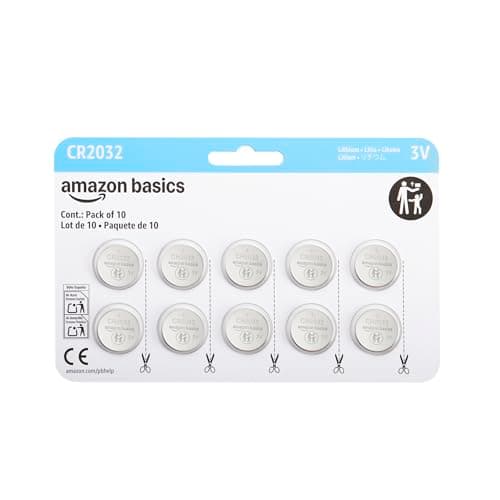
The procedure, what the chirp means, and the bitter-coating problem that stops some CR2032 cells making contact inside an AirTag.
Guide
Why GPS works in a dead zone and reporting does not, what store-and-forward means, and which technologies work with no connection at all.
Guide
IP67 versus IP66, what the numbers mean, why ratings degrade, and which tracker survives a dog that swims or a tool box in the rain.
Guide
How unwanted-tracking alerts work, the settings Apple requires, Android's manual scan, and the cellular trackers neither system can detect.
Guide
The built-in scan on both platforms, step by step, what it misses, and what to do if you find a tracker that is not yours.
Guide
A systematic vehicle search for cellular trackers, where they are actually hidden, why RF detectors often find nothing, and what to do next.

Guide
California Penal Code § 637.7 quoted with its exceptions, the own-property versus other-people's-property line, and where to get real help.
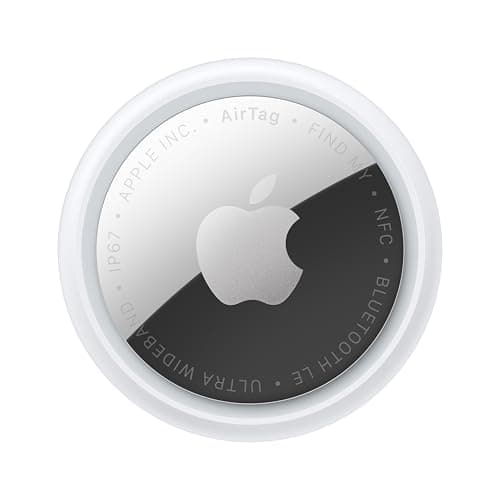
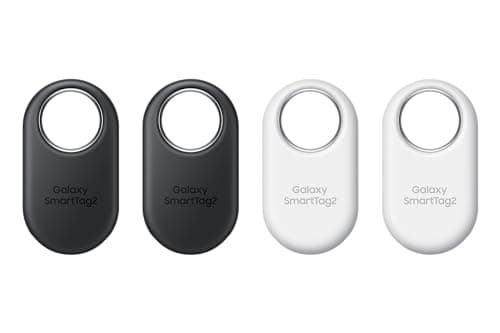
Bluetooth crowd-network tags. The tag broadcasts a rotating identifier a few times a second. Any participating phone that hears it submits an encrypted report of where it was heard, and you see the result. The tag has no idea where it is, consumes almost no power, and costs nothing to run. Its usefulness is a direct function of how many participating phones are near it, which is why it is superb in an airport and useless on a ridge.
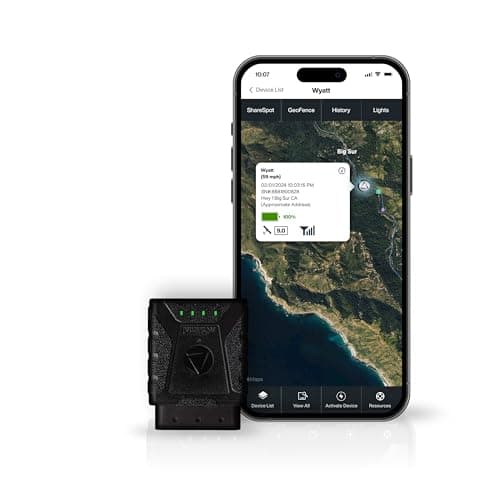
Cellular GPS trackers. A satellite receiver works out the device's own position; a cellular modem sends it. This works with nobody else present, which is the entire value, and the cellular data is the entire cost. Power consumption is in a different league: a tag runs a year on a coin cell, a cellular tracker runs days to months on a rechargeable pack depending on how often it reports.
Radio direction-finding. A handheld unit and a collar unit talk directly over license-free radio. There is no network, no SIM, no servers and no subscription. Range is long in open country and short around buildings, and the position only exists on the handheld in your hand — there is no map you can check from work. For hunting dogs and genuine dead zones this is the only thing that works, which is why professional kit still uses it.
The manufacturers' figures are honest and they are also not comparable, because they measure different things under different assumptions.
Apple's "more than a year" for an AirTag is based on everyday average usage of playing sound and Precision Finding, and Apple says so in its own footnote. Ring your keys fifteen times a day and you will not get a year. Samsung's "up to 500 days" for the SmartTag2 is a different usage model again. Chipolo's "about a year per charge" and Pebblebee's "up to 12 months" are rechargeable figures, which depend on how often the tag is woken.
For cellular trackers the variable is reporting interval, and it dominates everything else. The same hardware can last a week reporting every sixty seconds or four months reporting twice a day. A manufacturer quoting 140 days is quoting a long interval; a manufacturer quoting a week is quoting a short one. Neither is lying and the numbers cannot be compared without the interval attached.
The practical rule: treat every battery figure as an order of magnitude rather than a promise. Tags last about a year. Cellular trackers last days to months and you will be charging them.
Both major platforms now detect unwanted trackers automatically, and both do it well for the devices they cover.
On iPhone, you get an alert when an AirTag, a set of AirPods or a Find My network accessory that is not yours has been separated from its owner and seen moving with you over time. Apple's requirements are specific: iOS 17.5 or later, Location Services on with Significant Locations enabled, Bluetooth on, Tracking Notifications enabled and Airplane Mode off. Tapping through lets you play a sound, use Precision Finding on a UWB iPhone to walk to it, and get instructions to disable it. Turning off your own Location Services or Bluetooth does not stop the owner tracking the device — only disabling the device does.
On Android, the equivalent lives under Settings, Safety & emergency, Unknown tracker alerts. It covers Find Hub tags and Apple AirTags, plus Chipolo, Motorola and Pebblebee devices, and includes a manual Scan now that takes about ten seconds and works on Android 11 and later without Location Services enabled. Google's own guidance notes that turning some trackers off triggers a factory reset, which can prevent law enforcement identifying the owner — worth knowing before you disable one.
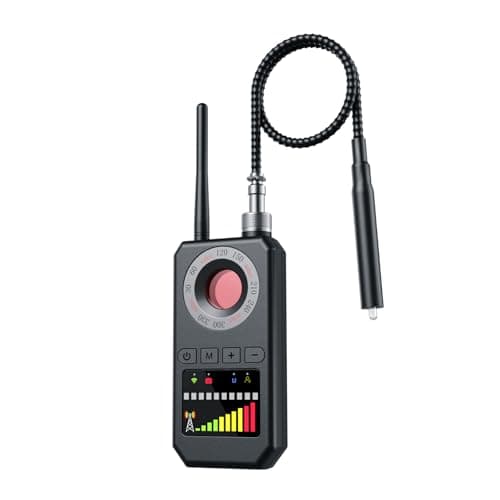
What both systems miss is the entire cellular category. A hidden cellular GPS tracker does no Bluetooth beaconing, so neither platform's scan will ever see it. Finding one of those means a physical search or an RF detector, and an RF detector only works while the device is actually transmitting — many sleep when the vehicle is stationary. That gap is real and it is why our detection pages cover both methods separately.
Questions
Also worth reading

Head to head
Most comparisons in this category are a feature grid with a winner at the bottom. These compare the thing that decides it: what each one costs you over three years, and which phone you own.

The whole point
Five different things get sold as "no monthly fee". Only two of them are. Here is the difference, and what each actually costs across three years.