Skip to content
Tag & Tether

One device at a time · Tracker Reviews

Tile Mate review

The cheaper Tile, and in one important way the better one: it takes a battery you can actually buy.

By Mike M.Last updated

#ad — we earn a commission if you buy through the links on this page, at no cost to you. It never changes what we recommend, and the structural reason it cannot is that we recommend the no-subscription devices, which pay the least. Full disclosure.


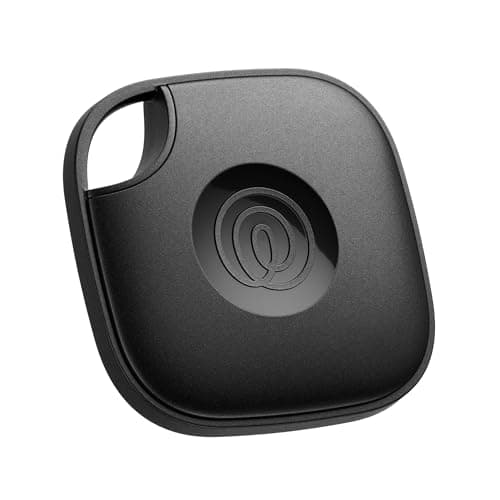
What it is: Tile's mid-range Bluetooth tag — cheaper, smaller, shorter range and quieter than the Tile Pro, with a replaceable CR2032 and a keyring hole. Like every Tile, it works identically on iPhone and Android from one app.

The specifications

BatteryReplaceable CR2032 — the universal coin cell, available anywhere.
RangeShorter than the Tile Pro's stated range.
LoudnessQuieter than the Tile Pro, which is itself quieter than a Pebblebee or Chipolo.
NetworkTile's own community network — the smallest of the major networks.
PlatformiPhone and Android, identically, from one app and account.
AttachmentBuilt-in keyring hole.
Precision findingNone.

Three-year cost of ownership

The live price above plus a couple of dollars of CR2032 cells. Finding is free forever: ringing the tag, its last known location, and the community network.

The optional cost is a Life360 membership for smart alerts, 30-day location history and item reimbursement, published at $9.99, $16.99 and $24.99 a month. At the cheapest tier that is $359.64 across three years — more than ten Tile Mates.

Life360 Tile Mate
$14.99View on Amazon

$24.9940% off

Price as of October 8, 2026. Prices move — Amazon's at checkout is the one that counts.

#ad · we may earn a commission from this link to Tile Mate

Optional planLife360

Tile Mate

Household keys in a mixed-phone home

The sensible Tile: cheaper, and it takes the CR2032 that is in every shop rather than the Pro's CR2477. Shorter range and quieter in exchange.

The subscription reality

Finding works on the free tier. Life360's paid memberships add location history, smart alerts and item reimbursement — they are optional, but they are how the brand now makes money from you.

Published monthly:
$9.99 (Silver), $16.99 (Gold), $24.99 (Platinum)
Over three years:
$0, or from $359.64 on the cheapest paid tier

Specs, as published by Life360

  • Replaceable CR2032 coin cell
  • Shorter stated range than Tile Pro
  • Works on iPhone and Android

Good

  • Cheapest way onto Tile's cross-platform network
  • CR2032 is a supermarket battery
  • Built-in keyring hole

Not so good

  • Shorter range and quieter ring than the Pro
  • Same thin crowd network as every Tile
  • Paid tiers dangled constantly in the app

Skip it if

the tag is for something that leaves the house often — buy the Pro for the range.

The reason to pick this over the Pro

The battery. The Mate takes a CR2032, which is in every supermarket, petrol station and airport shop in the world. The Pro takes a CR2477, which is thicker and genuinely hard to find at short notice.

For household keys that single detail usually decides it. A tag you can revive anywhere beats a slightly louder, slightly longer-range tag you cannot — because for keys lost indoors you are within earshot regardless.

Buy the Pro for things that leave the house, where range and ring matter and you will not be replacing the battery in a hurry. The full comparison is here.

The reason to pick a Tile at all

One reason, and it is a real one: a household running both iPhone and Android where one tag must serve everyone. Tile is the only mainstream tag that behaves identically on both platforms from one app and account. Shared car keys are the classic case.

Outside that, the comparison is unkind. Tile's network is the smallest of the major ones, and network size is the specification that determines whether you find a bag left in a taxi.

Who should buy it

A mixed iPhone and Android household wanting a tag on the household keys that both people can find from their own phones, with a battery they can replace anywhere.

Who should skip it

An all-iPhone household. An AirTag has a vastly larger network and Precision Finding, for about the same money.

An all-Android household. A Find Hub tag — Chipolo, Pebblebee, Moto Tag — gives a much larger network, a louder alarm and no upsell.

Anyone whose priority is finding things indoors. Buy the loudest tag you can. Pebblebee states 130 dB and Chipolo about 125 dB; a Tile Mate is the quietest option on this page.

Anyone tagging something that leaves the house often. The Pro's range and ring are worth the CR2477 annoyance there.

The cheaper and better workaround

If the shared-keys problem is the only reason you were considering a Tile, there is a better answer: two Chipolos on the same keyring, one paired to Apple Find My on the iPhone and one to Google Find Hub on the Android phone.

Both people find the keys from their own phone, both are on a major network rather than Tile's, both tags are louder than a Tile, and there is no subscription to decline. The cost is one extra tag.

We would do that. Almost nobody suggests it.

The alternatives, named

Tile Pro — longer range, louder, CR2477. For things that leave the house.

Chipolo LOOP — bigger network, louder, a loop, dual-network, no paid tier.

Apple AirTag — the largest network and Precision Finding, if the household is all iPhone.

Tile Slim or Sticker — for a wallet or something with no attachment point, with the caveat that both have sealed batteries and expire after two or three years.
How we picked

We did not lab-test these trackers

Everyone in this category claims to have tested twenty devices. We have not tested any of them, and we say so on every page. What we did instead: read each manufacturer's published specifications and cite them with the date, find the actual subscription price and cite that too, and work out what thirty-six months of ownership costs at those published figures. Device prices come live from Amazon's API and expire after 48 hours rather than going stale. Where a figure could not be sourced to the manufacturer, the page says the spec is unconfirmed rather than borrowing it from a competitor's review. The full method is on the methodology page.

Working out what a tracker really costs? See the three-year cost of every tracker, compared.

Questions

Frequently asked

Should I buy the Tile Mate or the Tile Pro?
The Mate for household keys, and the deciding factor is the battery: it takes a CR2032 available in any shop, where the Pro takes a CR2477 that is thicker and genuinely hard to find at short notice. For keys lost indoors you are within earshot anyway, so revivability matters more than the Pro's extra volume. Buy the Pro for things that leave the house, where range and ring earn their place.
Does the Tile Mate need a subscription?
Not to find your things — ringing it, seeing its last location and the community network are free forever. What is paid is the feature set in Tile's advertising: smart alerts, 30-day location history and item reimbursement, sold as Life360 memberships at a published $9.99 a month for Silver, $16.99 for Gold and $24.99 for Platinum. At the cheapest tier that is $359.64 over three years, or more than ten Tile Mates.
Is the Tile Mate worth buying?
In one situation: a household running both iPhone and Android where one tag must serve everyone, because Tile is the only mainstream tag that behaves identically on both from a single account. Outside that, an AirTag beats it for an all-iPhone home and a Find Hub tag beats it for an all-Android one, both on a far larger network — and network size is what determines whether you find a bag left in a taxi.
What battery does the Tile Mate use?
A CR2032, the universal coin cell available in any supermarket, petrol station or airport shop — which is its main practical advantage over the Tile Pro, whose CR2477 is thicker and much harder to find in a hurry. It is user-replaceable, unlike the Tile Slim and Tile Sticker, which have sealed batteries and simply stop after two or three years.
Is there a better way to get Tile's cross-platform benefit?
Yes: put two Chipolos on the same keyring, one paired to Apple Find My on the iPhone and one to Google Find Hub on the Android phone. Both people find the keys from their own phone, both tags are on a major network rather than Tile's small one, both are louder than a Tile, and there is no subscription. It costs one extra tag and almost nobody suggests it.

Read next

Where the figures came from

Sources

Every specification and plan price on this page traces to one of these, read on the date shown. Device prices are live from Amazon and stamped separately.

  1. Life360 — membership pricing (Silver $9.99, Gold $16.99, Platinum $24.99 per month) — accessed 2026-10-05
  2. Chipolo — LOOP product page (battery, IP67, 125 dB, 120 m) — accessed 2026-10-05
  3. Pebblebee — Clip 5 product page (12 months per charge, IP66, dual network) — accessed 2026-10-05
  4. Amazon Product Advertising / Creators API — live prices and product images — accessed 2026-10-05