Best overall for kids
Best GPS trackers for kids
Five options for a child, ranked on whether they will actually be worn. Includes the honest case for a phone or a watch instead of a tracker.

People
The category where the device matters least. What matters is whether it gets worn, whether it gets charged, and whether the person wearing it agreed to it.
By Mike M.Last updated
#ad — we earn a commission if you buy through the links on this page, at no cost to you. It never changes what we recommend, and the structural reason it cannot is that we recommend the no-subscription devices, which pay the least. Full disclosure.
Tracking a person is different from tracking a thing, and not only ethically. A suitcase does not take the tracker off. A suitcase does not resent it. A suitcase does not need to be able to call for help.
So the first question here is not which device. It is: can the person use a phone? If the answer is yes, a phone with location sharing turned on does almost everything a dedicated tracker does, for nothing extra, and it is the device they will actually carry. For an older child, a cellular smartwatch is usually the honest answer for the same reason — it needs a carrier line rather than a tracker subscription, and it will not be left in a drawer.
Dedicated trackers earn their place in two specific situations. One is a wearer who cannot call for help: a non-verbal child, an adult with dementia, anyone at genuine risk of wandering. Those need a tamper-resistant fastening and an SOS path, which phones do not provide. The other is a child too young for a phone where you want something small and passive in a backpack.
A word on the ethics, because it belongs on the page and not in a footnote. Covert tracking of a family member is a relationship decision with legal edges, and we will not help with it. Every recommendation here assumes the person knows. For a teenager that is not softness, it is practicality: a teenager who finds a hidden tracker learns to defeat tracking, and a teenager who agreed to one does not.
Start here
Best overall for an older child
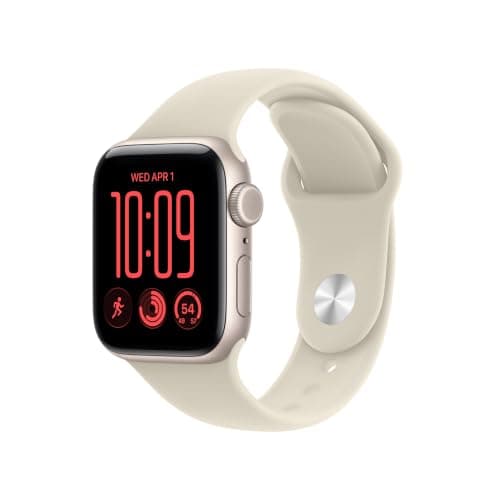
A child will keep a watch on, which no dedicated tracker manages. Family Setup means they do not need their own iPhone, and the cost is a carrier line rather than a tracker subscription.
#ad · live price from Amazon's product API. Disclosure.
Everything in this section
Best overall for kids
Five options for a child, ranked on whether they will actually be worn. Includes the honest case for a phone or a watch instead of a tracker.
Best no-fee option for kids
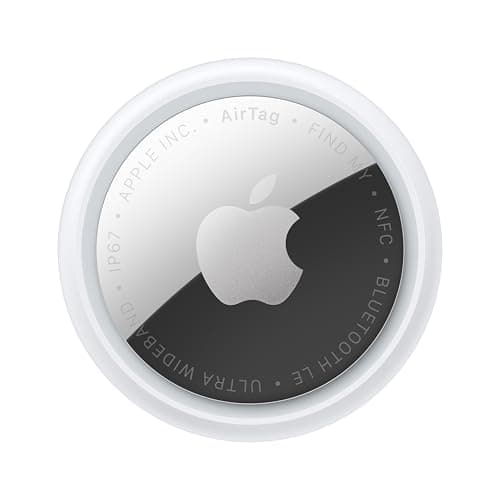
No-fee options for a child are all Bluetooth tags, which means lost property rather than live location. Plus the carrier-line route that undercuts every subscription.
Best for elderly parents
Five options for an older adult, separated by the question that matters: can they call for help themselves? Plans and limits stated plainly.
Best no-fee option for elderly
The honest no-fee options for an older adult — tags and a phone they already own — plus the carrier line that undercuts every tracker subscription.
Head to head
The bag-versus-child distinction, six axes of comparison, and the case for a smartwatch instead — which usually wins on adherence and cost.
Guide
Where to hide a tag in a school bag, what it genuinely reports, and why it is lost-property insurance rather than a child tracker.
Guide
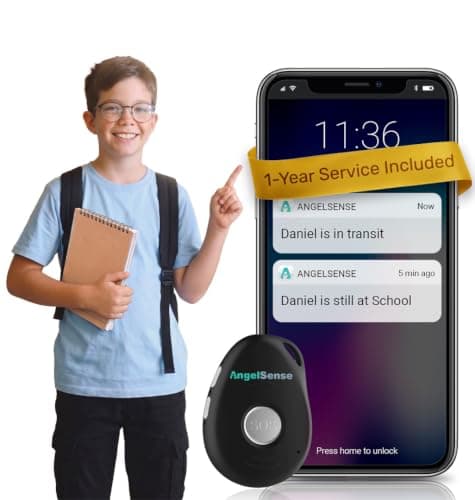
The three requirements a wandering-risk device must meet, the devices built for it, and the honest caveat about who answers the alert.
Guide
Why covert tracking fails on practical grounds as well as ethical ones, the framings that work, and the end date that makes the whole thing acceptable.
Without the monthly fee
No-fee options for a child are all Bluetooth tags, which means lost property rather than live location. Plus the carrier-line route that undercuts every subscription.
A phone they already have. If the person can use a phone, start here. Both platforms have built-in location sharing that is free, accurate, battery-efficient and — crucially — attached to the one device they will definitely carry. For most teenagers and most independent older adults this is the whole answer, and buying a tracker instead adds a second thing to charge and lose.
A cellular smartwatch. The right middle option for a child too young for a phone but old enough to manage a watch. It needs a carrier line rather than a tracker subscription, which is usually cheaper and always more portable, and it adds calls, fall detection and an SOS button. Most importantly a child will keep a watch on, which no dedicated tracker achieves.
A dedicated tracker. Earns its place in two cases. A wearer who cannot call for help needs a tamper-resistant device with an SOS path — that is what AngelSense and the dementia-specific devices are for, and they are built around that rather than around location sharing. And a young child where you want something small and passive in a backpack, which is a job a Bluetooth tag does for nothing.
If the person you are protecting has dementia or is a non-verbal child, almost nothing on a general tracker comparison applies to you. The requirements are narrow and specific: the device must be difficult for the wearer to remove, it must work outside the house, and an alert must reach somebody who will act on it within minutes.
That rules out Bluetooth tags entirely — they need a passing phone, and the moment that matters may not have one. It rules out most consumer GPS trackers, which are built for cars and have no SOS path and no tamper-resistant fastening. What is left is a small group of purpose-built devices, all of which require a cellular plan because they have to work away from home.
Two of them deserve naming. AngelSense is built around a wearer who cannot communicate, with a tamper-proof fastening and an assistive speakerphone; its Amazon bundle includes a year of service, it charges a $59 activation fee on the month-to-month plan, and it does not publish its monthly rate — you have to request a quote. SureSafe's dementia tracker takes a different approach and calls a list of family contacts directly rather than a monitoring center, which removes one subscription from the chain.
One honest caveat on every device in this group: it only works if somebody answers. A device that calls three phones nobody picks up is not a safety net. Decide who is on that list before you buy.
Every recommendation on this site assumes the person being tracked knows about it. We will not help with covert tracking of a family member, and that is a position with three separate justifications.
The ethical one is obvious. The legal one is real: tracking a person without consent runs into state statutes — California Penal Code § 637.7 is a representative example, prohibiting the use of an electronic tracking device to determine a person's location or movement, with narrow exceptions — and family-law and employment contexts add their own rules. This is not legal advice and your state may differ, but "it is my child" is not the complete answer people assume it is, particularly for an adult child or a parent.
The practical one is the one that persuades people. Covert tracking does not work. A teenager who finds a hidden tracker learns how tracking is defeated, and tells their friends. A teenager who agreed to a tracker, with a stated rule about when it gets looked at, keeps it charged. The second arrangement survives; the first one ends.
Questions
Also worth reading

Pets
This is the category where the subscription is hardest to avoid and where getting the choice wrong costs the most — in money, and occasionally in a dog.

The whole point
Five different things get sold as "no monthly fee". Only two of them are. Here is the difference, and what each actually costs across three years.