Every other comparison on this site is downstream of this one. Get it right and the rest is detail; get it wrong and you will either waste several hundred dollars or own a device that is silent at the one moment you needed it.
The question is: do you need to know where it is, or where it was?
Axis 1: how each one knows its position
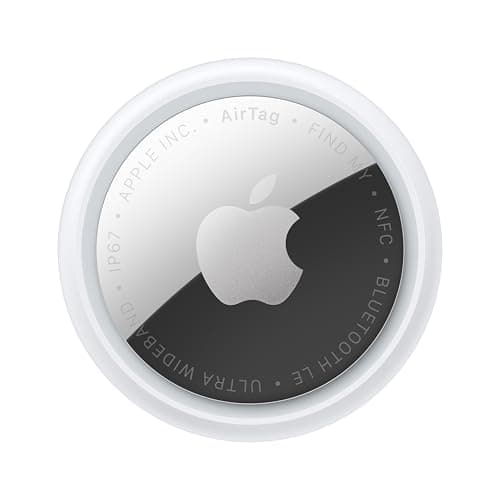
AirTag: it does not. It broadcasts an encrypted Bluetooth identifier every few seconds, and any passing Apple device attaches its own GPS position and reports it to Apple, who pass it to you. The position is secondhand and arrives when a stranger happens to walk past.
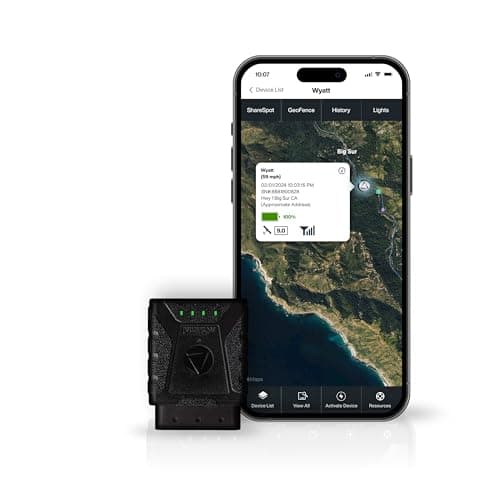
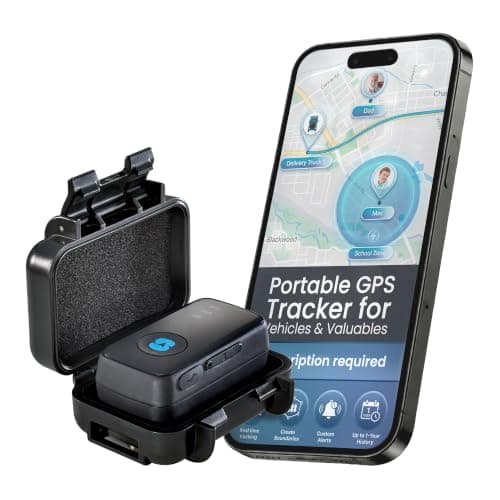
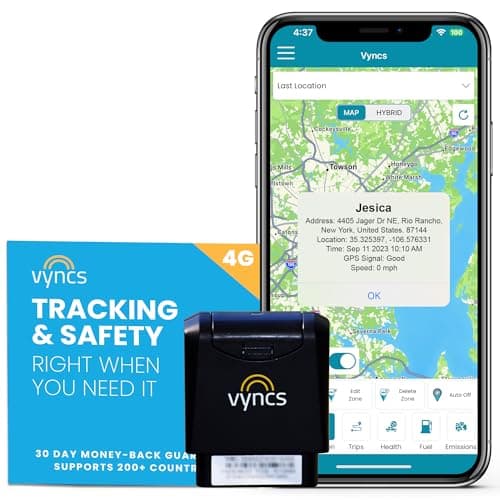
GPS tracker: a satellite receiver works out its own position, and a cellular modem sends it. No bystanders required, anywhere with coverage.
Everything below follows from that single difference.
Axis 2: cost over three years
AirTag: the tag plus about three dollars of coin cells. Roughly $30, nothing recurring, ever.
GPS tracker: the device plus the plan. From the brands' own published pages: LandAirSea prints $8.95 a month in its Sync product title, which is $322 over thirty-six months. Spytec publishes $14.95 monthly or $12.95 paid annually, which is $466.
That is a ten- to fifteen-fold difference in cost of ownership, and it is why we built a whole page around the arithmetic.
Axis 3: where each one works
AirTag: anywhere with pedestrian traffic. Airports, town centers, suburban streets, shopping centers — excellent. Fields, woodland, rural roads, a shipping container, an empty motorway at night — nothing.
GPS tracker: anywhere with cellular coverage. Fails in genuine dead zones, where it stores the track and uploads it on regaining signal.
Note the overlap is imperfect in both directions. Inside a large steel-framed building — a baggage hall, a warehouse — the tag often reports and the cellular tracker often does not, because the building is full of phones and short on signal.
Axis 4: live or last-seen
AirTag: last-seen only. There is no “where is it now” that works; there is a pin with a timestamp.
GPS tracker: live, with reporting intervals typically from one to several minutes. For something actively moving, that is a different kind of information.
Axis 5: battery
AirTag: Apple states more than a year on a replaceable coin cell. You fit it and forget it.
GPS tracker: days to months depending entirely on reporting interval. A battery-powered cellular tracker is something you now maintain.
Axis 6: alerts and geofencing
AirTag: separation alerts for items you walk away from. No geofence.
GPS tracker: geofence alerts, speed alerts, tow alerts. For a vehicle or a roaming animal this is frequently the feature that justifies the whole plan.
Axis 7: what happens if the company goes
AirTag: nothing — the network is Apple's.
GPS tracker: it stops. The SIM, the servers and the app all belong to the brand. We checked directly: whistle.com now 301-redirects to tractive.com, a competitor, and tryfi.com redirects to fitracking.com.
Axis 8: size and discretion
AirTag: a coin-sized disc that hides anywhere.
GPS tracker: considerably larger, because it contains two radios and a battery. Harder to hide, easier to find.
The decision, by what you are tracking
Keys, wallet, luggage, tools, camera bag, remote, bike in a city. Tag. These get lost around people, which is exactly where a tag is strongest, and a plan buys coverage you will never use.
A dog that stays near houses, a cat in a suburb. Tag. The common escape happens among phones.
A car you want recovered, a dog that works a field, a person at risk of wandering. Cellular. A tag will be silent at the moment that matters, and that is not a cost saving.
A trailer, a boat, plant on a remote site. Cellular, or a prepaid-service device to avoid the monthly bill.
A hunting dog or anything off-grid. Neither — that is a radio direction-finding case, which is live tracking with no subscription and no signal dependency. The third category is here.
The middle path people miss
If you need cellular but not a monthly bill, prepaid-service devices exist: a real cellular tracker whose data cost is baked into a higher purchase price, with nothing charged monthly. Over three years that is substantially cheaper than a plan, and for a vehicle you are keeping it is usually the right answer. Those are covered here.
Why not both?
For anything genuinely valuable, both is the strongest setup and the second half costs almost nothing.
The cellular tracker does the live tracking and the alerts. A tag hidden somewhere else entirely covers the two failures the tracker cannot: a flat battery, and being found and removed. A vehicle recovered because the hidden tag kept reporting after the obvious tracker was binned is a real outcome, and the tag was twenty-five dollars.
The two mistakes this page exists to prevent
Buying cellular for a job a tag would do. The listing says $17.95, the plan says $12.95 a month, and three years later you have spent $484 to find a suitcase that a $25 tag would have found better — because the suitcase was in an airport full of iPhones the whole time.
Buying a tag for a job that needs cellular. A tag on a dog that works a field, or in a car you are worried about losing, will tell you nothing at the moment you need it. If the thing you are protecting matters, pay for the capability.