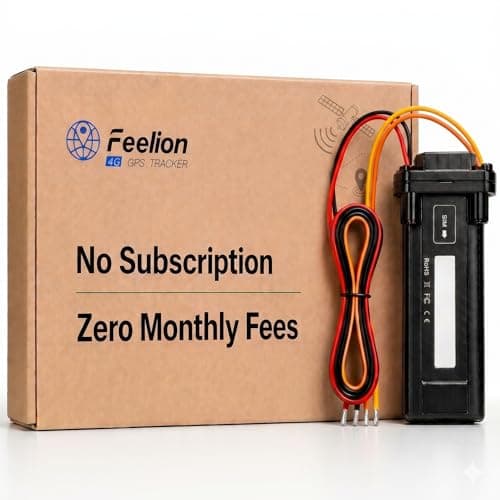
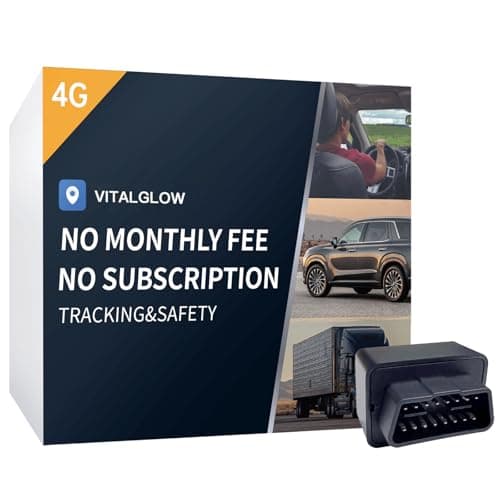
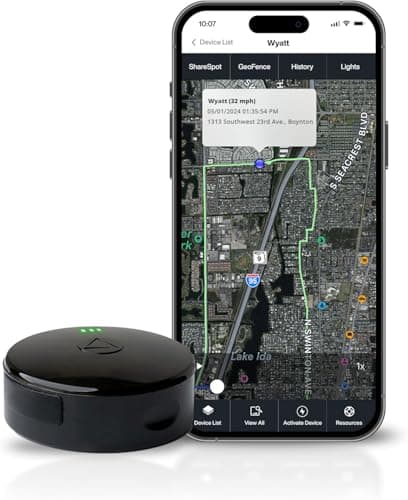
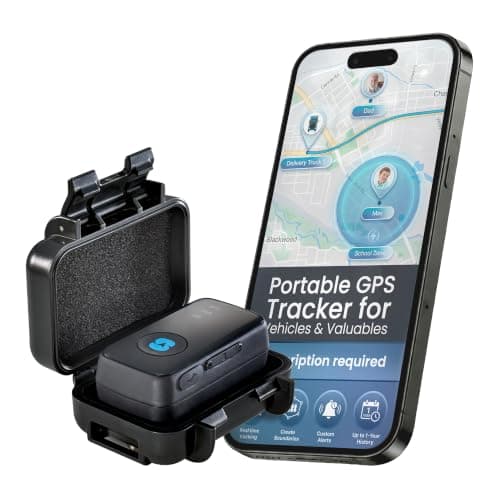
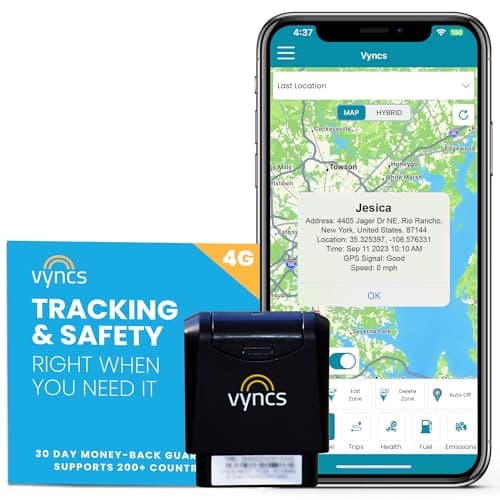
If you want live GPS tracking and no recurring bill, buy the VyncsPro or the FEELION hardwired unit — both put the service cost into the purchase price instead of your card. If you are willing to pay monthly, the LandAirSea 54 is the cheapest way in. If what you actually need is to find a parked car or a bag rather than follow a moving one, an AirTag does that for a coin cell a year and nothing else. Every device on this page sat under $100 on Amazon when this site's price layer last refreshed, and the live figure is on each card.
Here is the problem with shopping by price in this category, and it is worth understanding before you spend anything. Almost the entire real GPS tracker market is already under $100. The devices are cheap on purpose. A cellular tracker is a subscription business with hardware as the sign-up mechanism, so the hardware is priced to get out of the way — which means a $100 ceiling barely filters the market at all. What it does filter out is professional installed systems and a handful of premium units, and almost nothing a private buyer was going to choose anyway.
The number that does filter is the three-year cost, and across these nine devices it ranges from roughly nothing to over $460. The cheapest device on this page costs more to own than the most expensive one. That is not a trick; it is just what happens when you add thirty-six months of plan to a sticker price, and it is the reason this page is sorted the way it is.
The criteria, in the order they decide the purchase
1. Do you need where it is, or where it was? This single question eliminates most of the market before any price comes into it. A cellular tracker knows its own position and reports it over a carrier network, so it follows a moving vehicle. A Bluetooth tag does not know where it is and only reports when a stranger's phone walks past, so it tells you where something was. Both are useful. They are not substitutes, and the price difference between them is almost entirely the subscription. The difference between where it is and where it was is the full version of this decision.
2. What is thirty-six months of service? Ask it before you look at a device price, because it is the bigger number in almost every case. Of the nine devices here, three have no recurring cost at all, three have a published rate we can cite, and three require a plan whose rate the brand does not publish anywhere we can quote. That last group is not necessarily bad value — it is unquotable, which is a different problem, and it means getting a number at checkout before you commit. Every rate we can cite, multiplied out to thirty-six months is the table behind every recommendation here.
3. Where does the power come from? There are three answers and they decide the shape of the device. OBD-II dongles take power from the car and never need charging, but they are visible in the footwell and a thief who knows the trick pulls them in seconds. Hardwired units draw from 12V, hide properly, and cost you an afternoon or an installer's hourly rate. Battery units mount anywhere with a magnet or a strap and require you to remember a charging routine — and a flat tracker is worse than no tracker, because you believe you are covered. The three mounting types compared properly goes through the trades.
4. Does it need to be hidden? If the tracker exists for theft recovery, concealment is most of what makes it work, and this is where the cheap options separate. A dongle in the OBD port and a magnet on the underside are both found quickly by anyone looking. A hardwired unit behind a panel is not. If the tracker exists for logistics — where is the van, how was the car driven, did the trailer move — then visible is fine and frequently better, because an arrangement everyone knows about is the one that holds up.
5. What happens when the plan lapses? Worth knowing before rather than after: a cellular tracker whose subscription stops is inert. It does not fall back to a reduced service, it stops reporting, and it keeps none of its resale value because the next owner has to start a subscription of their own. That asymmetry is the strongest argument for the prepaid-service devices on this page and the reason they sit at the top of it.
Why the cheapest device is rarely the cheapest tracker
Run the arithmetic on two devices on this page and the whole category becomes legible.
The Spytec unit is under twenty dollars. Spytec publishes plans at $14.95 a month, or $12.95 a month paid annually, so thirty-six months at the annual rate is $466.20. Total three-year cost: a little over $480, of which the device is about four percent. Spytec is a well-run platform and it deserves credit for publishing those rates at all, which much of this market does not. The number is still the number.
The VyncsPro is near the top of this page's price range and nothing is billed monthly, because the service term is prepaid into the purchase. Over thirty-six months it is dramatically cheaper to own than the twenty-dollar device, and it reports every sixty seconds while doing it. That inversion — the expensive device being the cheap tracker — is the most useful thing on this page.
The one honest caveat on the prepaid model: “no monthly fee” is not “no future cost.” The term ends, and renewal is a real number that the box does not print. Ask what it is before you buy, because that question has an answer and nobody volunteers it. Why this category is built around subscriptions in the first place explains the mechanics behind all of it.
What we would buy, by situation
A car you want to recover if it is stolen. The FEELION hardwired unit, installed out of sight, or the VyncsPro if you will not wire anything. Set a geofence around where the car sleeps on the day you install it, not after something happens. A tracker that pings your phone at 2am is what recovers a vehicle; a map you check in the morning is not.
A teenager's car, with the teenager's knowledge. An OBD dongle, visibly. Trip reporting and harsh-driving alerts are the conversation, and a hidden device in that context is a different and much worse arrangement. How to set that up so it survives the first argument covers it.
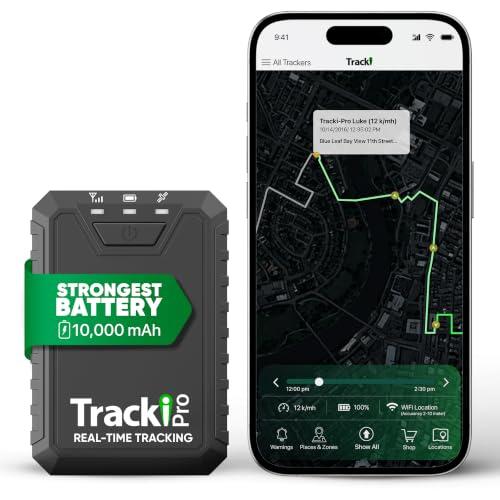
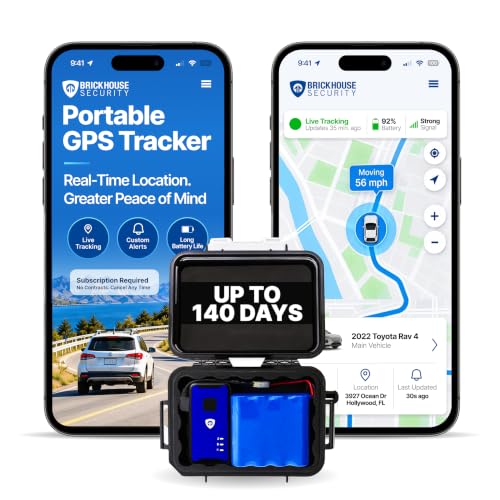
A trailer, a boat or equipment with no power. The Brickhouse Spark Nano 7 kit or the Tracki Pro, for the battery life, and accept a charging routine. Price the plan first — on an asset you look at four times a year, a plan that bills twelve months a year is paying for eight months of nothing. The trailer-specific version of this problem goes further into it.
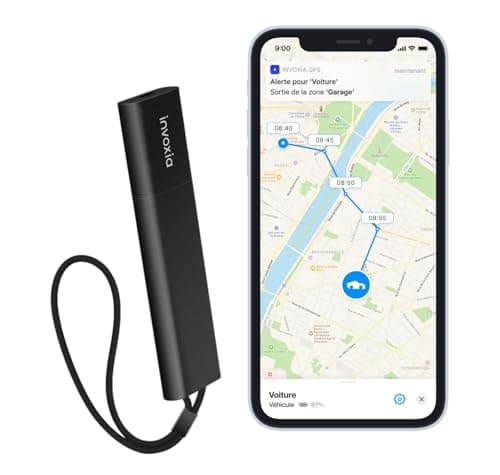
A bike or a motorcycle left outside. The Invoxia PRO, for the tow alert and the weeks of battery. You do not want a live feed of a parked bike; you want a notification the moment it moves.
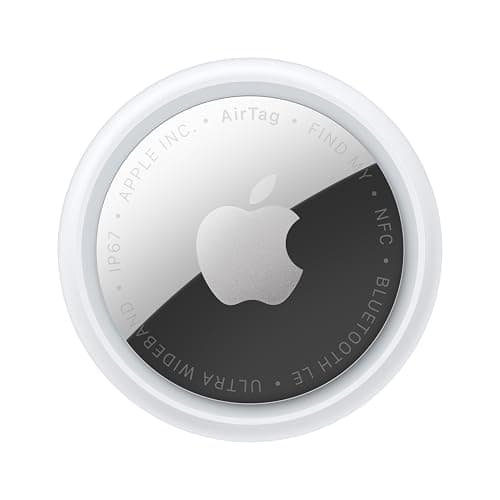
Finding things rather than following them. An AirTag, and spend the difference on a better lock. A tag in a car tells you which level of the parking structure you are on and which street you left it in. It will not follow a vehicle being driven away, and nothing at this price will do both.
What $100 does not buy
Three things, and it is better to know now.
A professionally monitored recovery service. The systems insurers sometimes ask about involve a monitoring center and a subscription in a different bracket entirely. Nothing here dispatches anybody; these devices tell you, and you tell the police.
Coverage where there is no cell network. Every cellular tracker here needs a tower. Back country, deep rural land and a lot of mountain terrain have none, and a cheaper or more expensive device makes no difference to that. What works beyond coverage, and why it is a different product covers the satellite side.
Immunity from being removed. Every battery and dongle unit on this page comes off in seconds once it is found, which is the entire argument for hardwiring one in. A tracker is a recovery tool, not a theft deterrent, and the cheap physical measures — a hitch lock, a wheel lock, a steering lock, lighting — still do more per dollar than any electronics.
How to price a tracker in two minutes
The arithmetic is deliberately simple, because the point is that it is simple and nobody does it. Take the live device price. Add the monthly plan rate multiplied by thirty-six. Add any activation fee and any mandatory accessory. That total is the only number worth comparing between two trackers, and it is the number that never appears on a product page.
Use thirty-six months rather than twelve for two reasons. People buy one tracker and keep it until it breaks, so a year is not the ownership period. And twelve months is exactly the window that bundled-service devices are designed to look good inside: a device with a free first year and a $9 plan afterwards looks free over twelve months and costs $216 over thirty-six.
Where a brand publishes a multi-year discount, use the cheapest honest route to three years rather than the headline monthly figure. That usually means stacking terms, and it usually produces a number lower than the advertised rate — which is the direction of error we would rather make.
The three plan categories hiding behind one price bracket
Published and citable. Spytec prints $14.95 a month, or $12.95 paid annually. LandAirSea puts $8.95 a month in the title of its Sync product. Tracki states $9.95 a month for long-term plans in its product copy. BrickHouse publishes its whole matrix for the Spark Nano — $24.99 month-to-month down to $9.99 on a two-year prepay — and states there is no activation fee. You can do the arithmetic before you buy, which is worth something on its own.
Prepaid into the purchase. Vyncs, the FEELION unit and the unbranded OBD tracker here. Nothing hits your card monthly and the three-year total is usually lower. The open question is renewal, and the answer is not printed anywhere — ask.
Required but unpublished. The LandAirSea 54, Optimus, Bouncie's script-rendered figures, Invoxia's separately sold plan. A plan is mandatory and we will not print a rate we cannot cite, so treat the device price as a deposit and get the real number at checkout.
One legal note before you fit anything
Tracking a vehicle you own is straightforward. Tracking a vehicle somebody else owns, or one in a shared household where the title is in one name, is not, and the rules vary by state. What the statutes actually say, with the jurisdiction named. If the car is not solely yours, get agreement before you fit a tracker rather than after. None of this is legal advice.
If the budget is the real constraint
Two options worth taking seriously rather than treating as consolation prizes. The first is a no-fee tag in the right place: on a bag, a bike, a tool case, a set of keys or in a glovebox, a Bluetooth tag solves the common loss completely and costs nothing to run. The cheapest ways to never pay a tracking subscription lists them.
The second is to spend less on electronics and more on prevention. A good lock, a hitch lock on a trailer, a steering lock, a motion light over a driveway — each of those does more per dollar than a tracker does, and none of them has a plan. The tracker is what you buy after the cheap measures are in place, not instead of them.