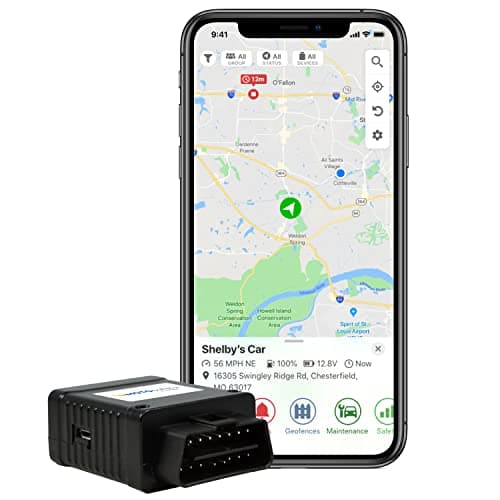
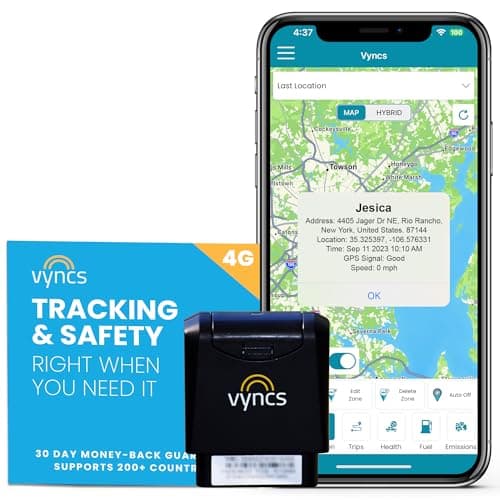
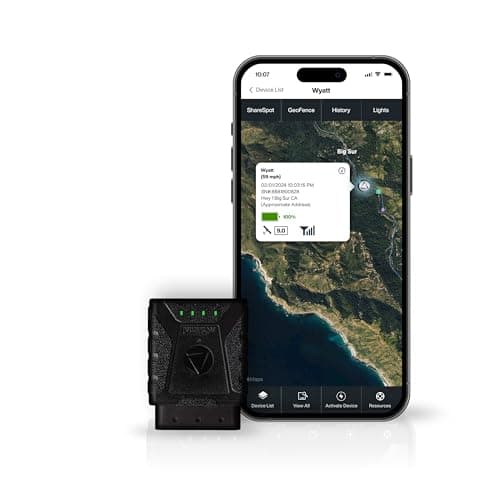
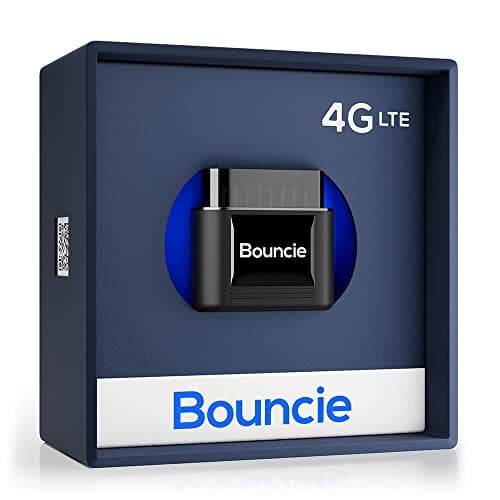
There are two products being sold under this heading and they are genuinely different. One tells you where your teenager's car is. The other tells you how your teenager is driving. The second is the one that reduces the risk you are actually worried about, and it is not always the one with the better map.
A seventeen-year-old is at the highest crash risk of their driving life, and the factors are known: speed, late-night driving, passengers, and the gap between confidence and experience. A device that surfaces hard braking, rapid acceleration and speed against the limit gives you something concrete to talk about. A device that shows a dot on a map tells you where they were, which is a different and much less useful conversation.
Tell them. It is also the version that works.
We are not going to help with covert tracking of a family member, and beyond the obvious objection there is a practical one that persuades more people: it does not work.
A teenager who finds a hidden tracker in their car learns two things — that you did it, and how tracking is defeated — and tells their friends. A teenager who agreed to a tracker, with a stated rule about when the data gets looked at and what it is for, keeps the dongle plugged in. The second arrangement survives; the first one ends badly and leaves you with less information than you started with.
There are legal edges too, depending on your state and whose car and name are on the registration. California Penal Code § 637.7, for example, prohibits using an electronic tracking device to determine a person's location or movement, with an exception where the registered owner, lessor or lessee consents — which is the clause most families rely on without realizing it is a clause. This is not legal advice; we cover it properly here.
The frame that works
The families who get this right tend to use the same three framings. The tracker is insurance against a breakdown in a place with no signal and a phone that died. The data is looked at weekly, not nightly, and together. And it comes off at an agreed milestone — a year accident-free, or their own car — which turns it from surveillance into a probationary period with an end date.
What to actually look for
Driving-behavior reporting
Speed against the posted limit, hard braking, rapid acceleration, and time of day. These are the data points that correlate with crash risk, and they are the ones worth a weekly five-minute conversation. A device that reports only position gives you nothing to coach on.
A report format a teenager can read
This matters more than it sounds. A daily or weekly report card — MOTOsafety's approach — can be handed over and discussed. A live map encourages exactly the behavior that wrecks the arrangement: checking it at 11pm and texting about it.
Diagnostics
An OBD tracker reads engine codes, and on a first car that is a genuinely useful feature independent of the teenager. A check-engine light that you can see the code for before the garage visit is worth something.
Crash and breakdown detection
Some devices detect a sudden deceleration event and alert you. On a new driver this is the feature with the clearest safety case, and it is the one to prioritize if the budget only stretches to one capability.
Why OBD rather than hardwired or magnetic, here
This is the one case on the site where we actively recommend the visible option. An OBD dongle is in plain view, which is the point: it is a declared arrangement, not a hidden one. It also plugs in without tools, moves to a different car in seconds, and comes out permanently when the probation period ends.
Hardwiring a tracker into a teenager's car is the wrong signal and the wrong commitment. If you find yourself wanting the concealed option, the honest question is whether you are solving a driving problem or a trust problem, and a tracker is not the tool for the second one.
The cost, since it recurs
Teen-driver trackers are a subscription category, because trip history and behavior reporting need servers. Bouncie states that a subscription is required per device with no contract. LandAirSea publishes $8.95 a month, which is $322 across three years. Vyncs prepays the service into the purchase, which for a three-year probation is the cheapest route by a clear margin.
One thing worth weighing against the cost: most insurers have their own telematics program, often app-based, that discounts the premium for good driving. Before buying a tracker, find out what your insurer offers — you may be able to get the same behavior data and a discount instead of a bill.
What not to buy for this
A Bluetooth tag. It will tell you where the car was when a phone last passed it, which answers no question you have about a new driver. And a bare magnetic tracker with no behavior reporting, which gives you surveillance without the one feature that would actually make your teenager safer.