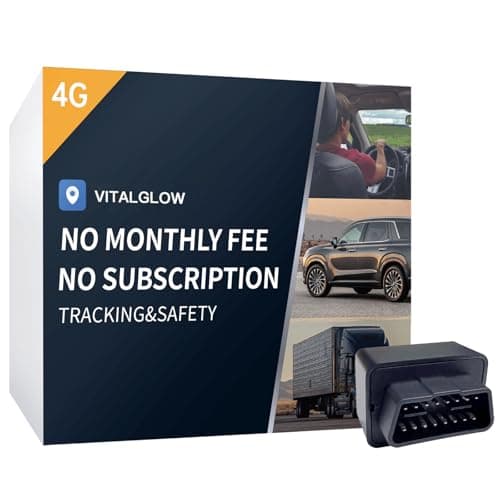
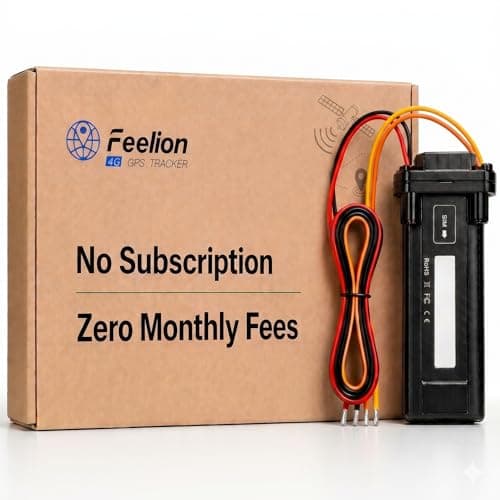
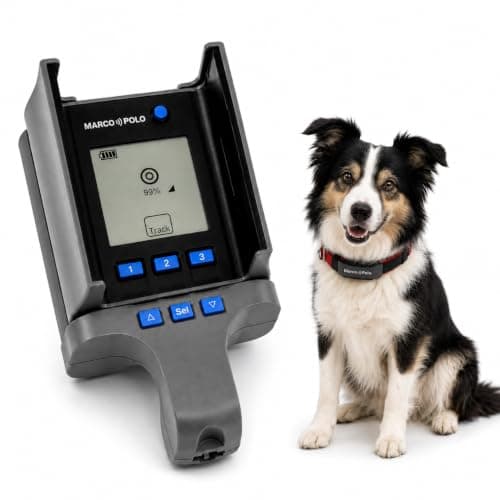
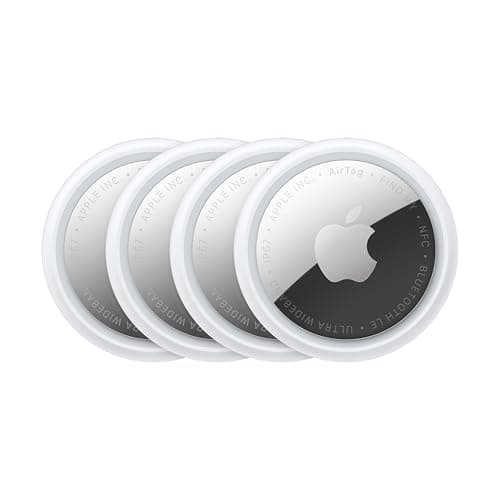
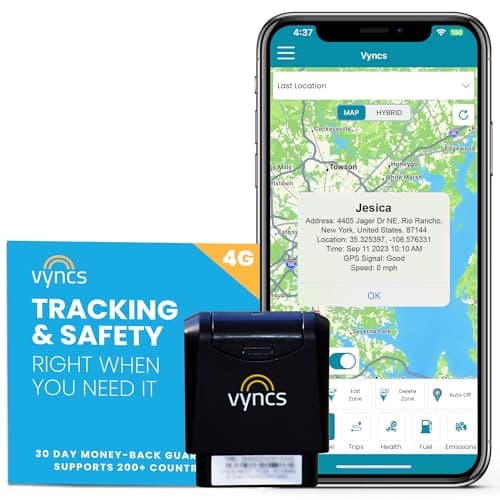
A one-time payment is the thing most people in this category actually want and the thing the industry is structured to avoid selling. This page collects the devices where the single payment is genuine, and separates the two kinds of genuine.
No cost at all, ever. Bluetooth tags and radio systems have no data to pay for, so there is nothing to recur. An AirTag four-pack is the cheapest entry here; a Marco Polo radio system is the most expensive and the most capable. Neither will ever send you a bill.
Prepaid cellular. The three vehicle trackers in the middle are real cellular devices with real SIMs. Their data genuinely costs money and you genuinely pay for it — just in one payment at the start rather than monthly. This is the model we recommend for any vehicle you expect to keep, because the arithmetic is not close: $8.95 a month is $322 over three years, and a prepaid device costs a fraction of that premium up front.
There is one question to ask about every prepaid device and it is the same question each time: what does renewal cost? Prepaid service has a term. The term ends. A brand that answers that question clearly before you buy is a brand worth buying from; a brand that does not is telling you something.
Why prepaid beats monthly over three years
The maths is worth seeing once. Take a plan-based OBD dongle at the published $8.95 a month that LandAirSea prints in its own product title. Across thirty-six months that is $322.20, on top of a device price in the twenties. Call it $347 to own for three years.
A prepaid device costs considerably more up front and nothing after. Unless the premium is larger than $322 — and it is not, on any device on this page — prepaid is cheaper from somewhere around month twelve to eighteen onward. If you are keeping the car, prepaid wins. If you are tracking something for one summer, monthly wins and you cancel.
That break-even is the only reason to choose monthly, and it is a real reason. A rental fleet, a vehicle you are selling, a short-term worry — a cancellable monthly plan is genuinely the right product for those.
The platform risk nobody prices in
A prepaid cellular tracker still depends on a company. The servers that receive its reports and the app that shows you the map both belong to the brand, and you have paid for three or more years of a service in advance. If the brand folds, the prepayment goes with it.
That is why brand age matters more here than it does on a tag. Vyncs has been selling the same model for years; the newer entrants have not. We would still buy a cheap one-payment device for a trailer, and we would pay the premium for the established brand on a car we cared about.
A tag or a radio system has no such exposure, which is a real and rarely-mentioned advantage. A Bluetooth tag is a passive beacon on Apple's or Google's network. A radio handheld talks to the collar directly. Neither needs anyone's business to survive.
What a one-time payment cannot buy you
Unlimited historical data, usually. The business reason plan-based trackers offer thirty-day or ninety-day trip history is that storage and bandwidth recur, so a one-payment device typically stores less and keeps it for less time. If forensic trip history is the point — a fleet, a teen-driving conversation, an insurance dispute — read the retention terms carefully, because that is where prepaid devices tend to be thinnest.
How we picked
Researched from published specs and real plan prices
Every pick here is researched from the manufacturer's published specifications, each one cited with the date it was read, and from the brand's own published subscription rate — then costed out over thirty-six months so you can see what the device really comes to. Device prices come live from Amazon's API and expire after 48 hours, so the number you see is current. Where a figure is not published by the manufacturer, the page says the spec is unconfirmed rather than borrowing it from a competitor's review. The full method is on the methodology page.
Working out what a tracker really costs? See the three-year cost of every tracker, compared.