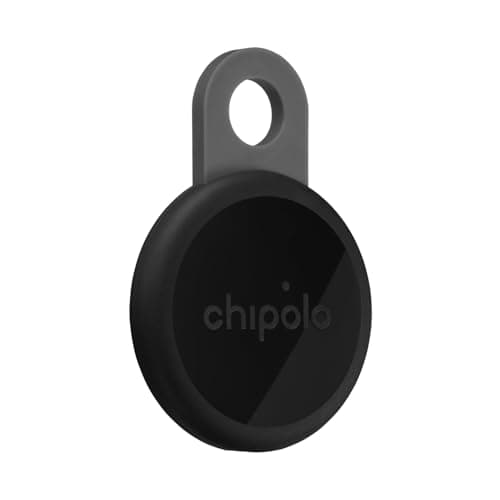
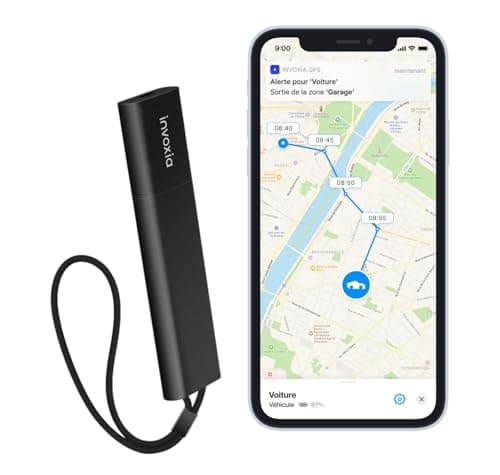
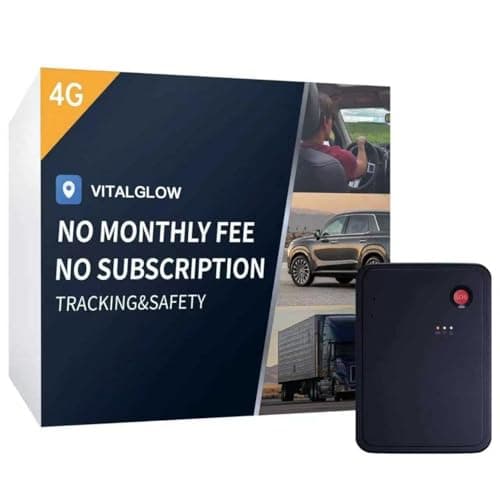
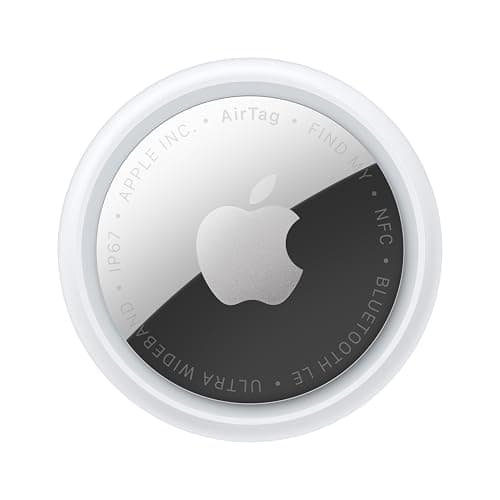
For most families the answer is a no-fee Bluetooth tag on the frame — an AirTag if the household runs iPhones, a Chipolo LOOP if it runs Android — because mobility equipment is overwhelmingly mislaid indoors, among people carrying phones, rather than stolen off a street. A cellular tracker is the right answer only for powered equipment that lives outside: a mobility scooter on a porch, a power chair in a van. The Invoxia PRO covers that case with a motion alert, and the prepaid magnetic unit covers it without a monthly bill.
This page is deliberately not our trackers for elderly parents page. That one is about finding a person, which is a consent question, a wearability question and usually a cellular purchase. This one is about finding a thing — a rollator left in a waiting room, a transport chair that did not come back from a rehab unit, a scooter taken off a porch. The equipment problem has its own answer because the equipment has no pockets, no opinions and an aluminum frame.
One disambiguation before the picks, because the search term is ambiguous. If you want a tracker for walking rather than for a walking frame, you want trackers versus satellite messengers for hiking; if you walk other people's dogs for a living, the dog tracker roundup is the page you wanted.
The five questions that decide this, in order
1. Is it the equipment or the person you are trying to find? This is the first fork and it changes the product entirely. If the fear is that your father will leave the house and not know how to get back, a tag on his rollator is close to useless — he may not have it with him, and a tag only reports when a stranger's phone passes it. That is a cellular, worn-device problem and it lives on our dementia and wandering page. If the fear is that a rollator you paid several hundred dollars for will not come back from the hospital, keep reading: a tag is the correct answer and a vastly cheaper one.
2. Where does it actually go missing? Be specific, because indoor and outdoor loss have opposite answers. Indoors — hospitals, rehab wards, day centers, churches, restaurants, airport gates — there are dozens of phones within Bluetooth range at all times, so a tag reports continuously and a loud alarm plus a directional arrow finds the thing in minutes. Outdoors and unattended, at night, on a quiet street, nobody's phone goes past, and a tag will tell you where the scooter wasrather than where it is. That distinction is the whole decision.
3. What can you physically mount it to? The question nobody asks until the mount arrives and does not fit. Walkers, rollators, transport chairs and most manual wheelchairs are aluminum tube — which makes every magnetic mount sold for cars useless, because aluminum is not magnetic. What works: a loop around a cross brace, an adhesive pad on the underside of a seat, a tag dropped into the seat bag, or a screw-down case if there is a plastic panel you are willing to drill. What never works is anything that fouls the folding hinge, the brake cable or the seat latch. Mobility equipment is safety equipment, and a tracker that jams a brake is worse than no tracker at all.
4. Whose phone is the tag on, and who gets the alert? The most common failure in this category, and it costs nothing to get right. A tag paired to an eighty-year-old's phone that lives face-down on a sideboard is a tag nobody will ever look at. Pair it to the account of whoever will open the app and go looking — usually the adult child doing the driving — then share access with the rest of the family so it is not one person's job. Both platforms allow a tag's location to be shared with other people; set that up on day one rather than during the panic.
5. What does it cost across three years? For a Bluetooth tag the answer is the purchase price plus a coin cell about once a year, which is pennies, and then nothing ever again. For anything cellular there is a SIM inside and a carrier being paid, so the figure that matters is the monthly rate times thirty-six — frequently several times the price of the device. Every plan rate we can cite, multiplied out. On a piece of equipment that gets mislaid indoors, a subscription buys you almost nothing a one-time-purchase tag does not already do.
Where mobility equipment really goes
The pattern that should drive the purchase: most of this equipment is not stolen, it is mislaid by a system. A rollator is parked in a corridor while its owner is wheeled into radiology and comes back to a different ward. A transport chair is borrowed by a care home and never reconciled. A walker is folded into a relative's trunk after a family lunch. In every one of those cases the equipment is sitting somewhere specific, surrounded by staff and visitors carrying smartphones, and a no-fee tag resolves it with one phone call instead of a replacement purchase.
The second pattern is air travel, and it is the one worth preparing for in advance. A wheelchair or scooter handed over at the gate is handled like cargo, by people who are not you. A coin-cell tag tucked into the frame tells you whether the chair made the connection before the airline's own system does — which is precisely the case for a tag in checked baggage, and the FAA's battery guidance puts a coin-cell device in the hold without drama.
Theft is the third pattern and it is concentrated almost entirely in powered equipment. Mobility scooters and power chairs are worth thousands, are stored outside or in a garage, and can be ridden or wheeled away quietly. That is the one case in this category where a cellular tracker earns its service cost, because what you need at 2 a.m. is a live address rather than a last-seen pin.
Four mounting places that work
Inside the seat bag or pouch. Free, instant, reversible, and the bag is already on the rollator. The weakness is obvious: the bag can be removed, and a helpful stranger who empties it looking for ID will also find the tag. Good enough for the mislaid-indoors case, which is most cases.
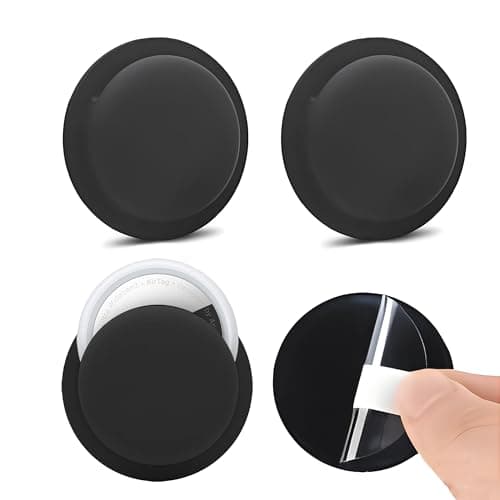
Adhesive, under the seat or on the inside face of a frame rail. A low-profile adhesive mount holds a tag flat where it will not rattle against tubing and is not visible from standing height. Clean the aluminum with alcohol first or the pad lets go within a week, and accept that adhesive is a one-way decision.
Looped around a cross brace. This is why a tag with a built-in loop is worth the extra few dollars on this particular job: no adhesive, no drill, no mount to buy, and you can move it to the next piece of equipment in seconds. Thread it somewhere the folding action cannot pinch it.
Screwed into a plastic panel. On a powered chair or a scooter there is usually a shroud or battery cover you can put two small screws through, which is the only mount on this list that a thief will not idly pull off. Drill nothing structural and nothing that carries a cable.
And one that does not work: a magnetic car mount on an aluminum frame. Every “strong magnet, no install” tracker case assumes a steel vehicle body. Hold a fridge magnet against the tube before you buy one — on most walkers, rollators and manual chairs it falls straight off. Steel is more common on older powered scooters and on some seat frames, so test rather than assume.
Dignity, and the conversation to have first
Tagging equipment is not tracking a person, and keeping that line clear is both the ethical position and the practical one. A tag on a rollator reports the rollator; if somebody is sitting on it, it reports them too, and pretending otherwise is how families end up in a fight. Say what you are doing and why — “so we can find your walker when the hospital loses it” is a sentence most people agree with immediately — and put the tag somewhere findable rather than hidden when the equipment belongs to an adult who can consent.
Both platforms run anti-stalking alerts, which means an unfamiliar tag traveling with somebody can notify their phone. That is a feature rather than a bug, and it is another reason to tell the person the tag is there. How those alerts work, on both platforms.
What a tag does and does not do on a rollator
It does not know where it is. A Bluetooth tag has no GPS and no SIM. It announces its identity a few times a minute and waits for somebody else's phone to hear it and report the position. In a hospital that happens continuously. In a locked garage at midnight it does not happen at all. What the range figure on the box actually means.
It does find things inside buildings, which GPS frequently cannot. Satellite positioning is poor indoors and a cellular tracker's accuracy degrades toward the nearest tower. A tag plus a stated 125 dB alarm plus a directional arrow beats a GPS unit precisely where mobility equipment is usually lost. This is one of the few categories where the cheap device is also the technically correct device.
It needs a network your household is actually on. Apple's network is iPhones; Google's Find Hub network is Android devices, and Google states that a phone running Android 8.0 or lower cannot take part in that network at all. If the family is mixed, buy a tag that can be set up on either network rather than one locked to a platform the next phone might leave.
When to spend on a cellular tracker instead
Three situations justify a plan. The equipment is powered and lives outside, so theft is a real risk rather than a theoretical one. The equipment is worth more than about a thousand dollars, which covers most scooters and power chairs. Or nobody nearby is on a platform with a dense crowd network — thinly populated areas with few passing phones are the one place a tag genuinely underperforms, which we cover in trackers for rural areas and dead zones.
If you are buying cellular, settle the plan question before the spec sheet. Some brands publish a monthly rate, some bury it, and some sell the service prepaid inside a higher purchase price — which is usually the cheaper route across three years and the one we recommend most often on this site. The one-time-payment options, compared.
Batteries, and the yearly job
A coin-cell tag runs about a year and then stops without announcing it. Put a reminder in a calendar for the same week every year, buy cells in a multipack, and change every tag in the house on the same day. A tag with a flat cell is the worst outcome in this whole category, because the family believes the equipment is covered when it is not. What each brand's battery claim is measuring.
Rechargeable tags trade that yearly job for a quarterly or annual charge, which suits some households better — a charging cable on the hall table is a visible reminder in a way a coin cell is not. Either is fine. An uncharged, unchanged tag is not.
Three things worth doing the same afternoon
Write the owner's name and a phone number on the frame. Not a tracker feature, and the highest-yield thing on this page: most mobility equipment is returned by somebody who wanted to return it and had no idea to whom. A label plus a tag beats a tag alone every time.
Photograph the equipment and record the serial number. Insurance and police reports both ask, and a scooter claim moves faster with a serial number than with a description. Keep it in the same note as the tracker login.
Test the find, once, on purpose. Have somebody put the rollator in another room and find it with the app. Five minutes now tells you whether the alarm is audible through a closed door in your house, which is the only test result that matters.