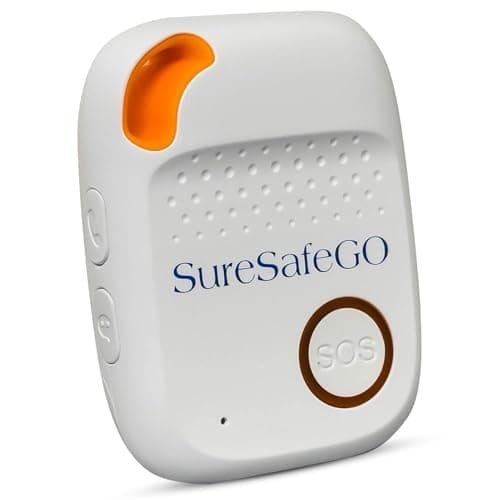
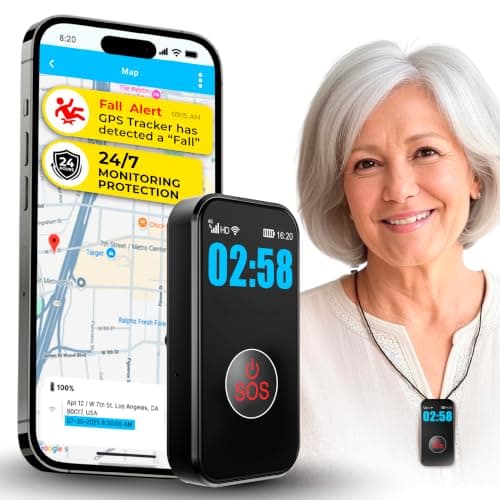
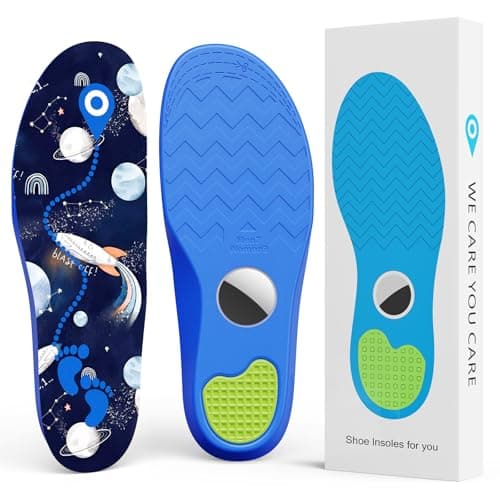
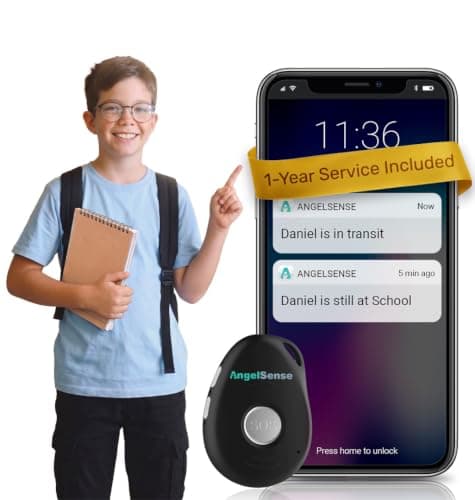
If you are shopping for someone with dementia or significant cognitive impairment, most of what you will read about trackers is irrelevant to you. The specifications that dominate general reviews — app polish, battery life, trip history — are not the ones that decide whether this works.
Three requirements do, and most consumer devices fail at least one.
1. It must be difficult for the wearer to remove
A person who does not understand why they are wearing a device will take it off. That is not stubbornness, it is the condition. A watch comes off, a pendant comes off, and a phone gets put down.
This is why purpose-built devices use tamper-resistant fastenings, and it is the single clearest reason to buy a specialist product rather than a general one. It is also why a device sewn into a favorite coat, or an insole in the shoes they always wear, can outperform something far more sophisticated.
2. It must work away from home
This rules out home-base medical alarms entirely, and it rules out Bluetooth tags as a primary device. A wandering event by definition happens away from the house, often somewhere quiet, and increasingly often at night — which is precisely when there are no passing phones to relay a tag's signal.
Away-from-home operation means cellular, which means a plan. There is no free answer here and we would not pretend otherwise.
3. The alert must reach someone who acts
The most under-examined requirement, and the one that most often fails in practice. A device that detects the person has left a geofenced area and calls three family phones that nobody answers has done its job and achieved nothing.
Before buying, decide concretely: who is on the list, in what order, and will they pick up at 3am? If the honest answer is “probably not”, then a monitored service with a 24/7 response center is the right product and the monitoring subscription is one you should pay rather than avoid.
Features that matter here, in order
Geofence alert, fast
The most valuable single feature. Not the map — the alert. A notification within a minute or two of the person leaving the house is what turns a wandering event into a short walk to collect them, and a thirty-minute delay is what turns it into a search.
Ask about reporting interval, because it determines alert latency. A device reporting every five minutes cannot alert you faster than five minutes.
Two-way voice
Underrated. Being able to speak to the person through the device — and in some cases listen — often resolves the situation without anyone going anywhere, because the person is confused rather than lost. AngelSense's assistive speakerphone exists for exactly this.
Tamper resistance
Covered above, and worth repeating as a shopping criterion: ask specifically how the device attaches and whether the wearer can remove it unaided.
Battery life and charging
A device needing daily charging will be flat at some point, because the routine depends on somebody remembering. Prefer longer battery life over better features here, and insist on a low-battery alert that reaches you rather than only the wearer.
What does not matter
Trip history, step counting, app design, waterproof ratings beyond basic splash resistance. Do not pay for them.
Practical measures that help more than the device
This is a tracking site, and the honest thing to say is that several non-tracking measures have better evidence behind them than any device on this page.
- Register with local police and any local wandering-person scheme. Many areas run a voluntary register that means responders already have a photograph and a description.
- Tell the neighbors. Awkward, and the single most effective intervention there is. A neighbor who recognizes the person and brings them back is faster than any alert chain.
- ID on the person. A bracelet or a card in a coat pocket with a name and phone number. Low-tech, battery-free, and it works when the device is flat.
- Door sensors. A simple door alarm at home often beats a GPS geofence on latency, because it fires the moment the door opens rather than when a position update lands.
A tracker is one layer. These are the others, and they cost almost nothing.
On consent and capacity
This is the part of the site where we are least able to help, and it would be irresponsible to pretend otherwise.
An adult with capacity decides whether they are tracked. Where capacity is genuinely impaired the legal and ethical picture is different and depends on your jurisdiction, any power of attorney, and clinical judgment. Statutes exist in this area — California Penal Code § 637.7 prohibits using an electronic tracking device to determine a person's location or movement, with narrow exceptions — and they were not written with dementia care in mind.
The practical route most families take: discuss it with the person while they can take part in the decision, involve their clinician, and document the reasoning. This is not legal advice and we are not able to give any.
If someone is missing now
Call the police immediately and say the person has dementia. Do not wait a few hours to see if they come back — that advice does not apply here, and responders treat a missing person with dementia as urgent because the risk window is short.
Then check the device, and check the places they used to go rather than the places they go now: former homes, former workplaces, a church, a bus route they used for decades. Long-term memory outlasts recent memory, and that is where people are most often found.