Before any brand comparison, one question settles most of this purchase: does your dog actually leave, and if it leaves, does it leave where there are people?
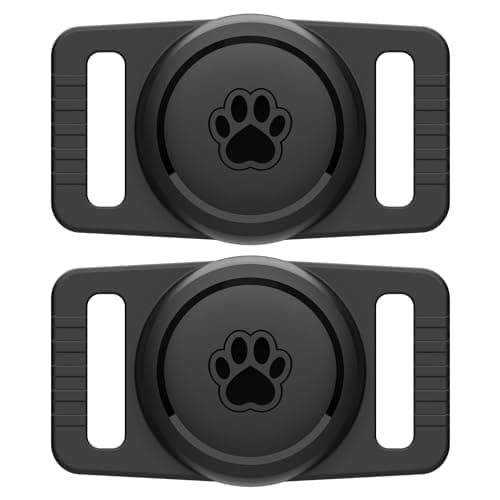
A dog that bolts out of the front door into a suburban street is lost among phones. A Bluetooth tag in a waterproof collar holder will report its position within minutes and costs nothing to run, ever. For that dog, a $252 three-year subscription buys a capability you will never be in a position to use.
A dog that works a field, jumps a fence into woodland, or vanishes on a hike is lost away from phones. No tag helps there, because there is nobody to relay the signal. You need either cellular — a live map anywhere there is signal, for $252 or more across three years — or radio, which gives distance and direction from a handheld you carry, with no subscription and no dependence on coverage at all.
Most people buy the wrong one, and the marketing is why: a cellular collar comes with a subscription, and a subscription is the business model. We have ranked these seven by what they are genuinely for rather than by price, and the cheapest option on the page is the right answer for a lot of dogs.
The platform risk, which is specific to this category
A cellular pet tracker is not a device you own. It is a terminal for a service: the SIM is provisioned by the brand, the servers receive the reports, and the app belongs to them. When the brand goes, all three go, and the collar becomes a plastic lump on a strap.
That is not hypothetical. While building this site we checked the HTTP responses ourselves: whistle.com returns a 301 redirect to tractive.com, a competitor, and tryfi.com returns a 301 to fitracking.com. Whistle was one of the two serious US pet-GPS platforms, and its own front door now points at a rival.
Two kinds of device are immune. A Bluetooth tag runs on Apple's or Google's network, which belongs to Apple or Google. A radio collar has no network at all. If you want a pet tracker you will still be using in five years, those are the categories to look at.
The three technologies, and which dog each suits
Cellular GPS collars
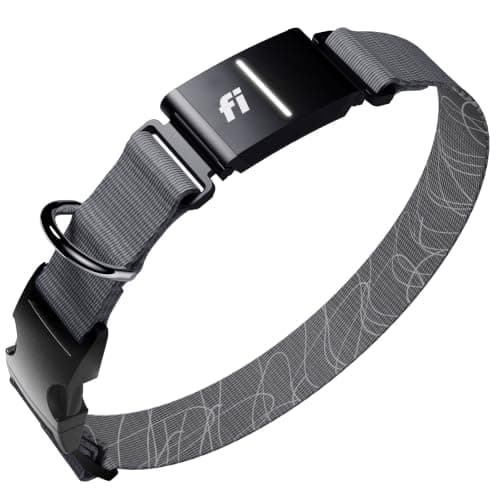
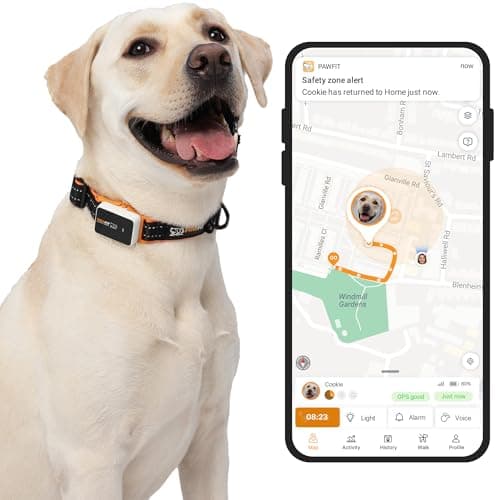
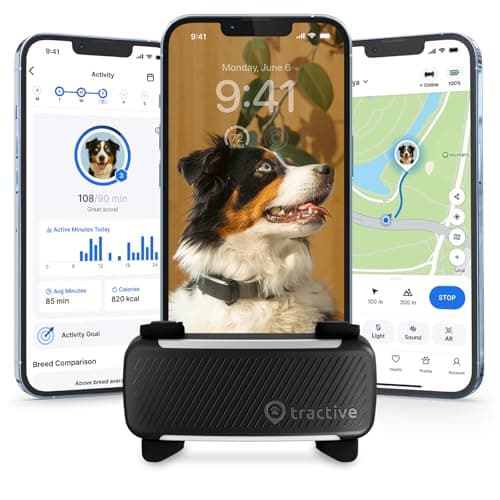
A SIM in the collar, a satellite receiver, and a live map on your phone from anywhere with signal. This is what most people mean by a dog tracker and it is the right answer for a dog that genuinely roams and is lost where there is coverage.
The cost is unavoidable and worth stating as a number rather than a feeling. Tractive publishes Basic at $9 a month on a one-year term and $6 on a two-year term; the cheapest honest route to thirty-six months is a two-year term at $144 plus a one-year at $108, so $252 — on top of the collar. Fi and Weenect state that a membership or subscription is required but do not publish a rate we can cite.
Radio direction-finding
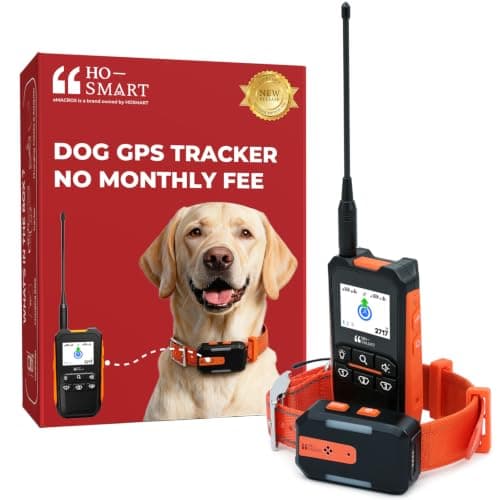
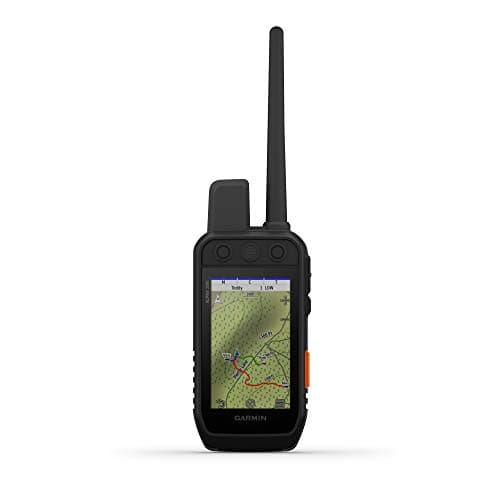
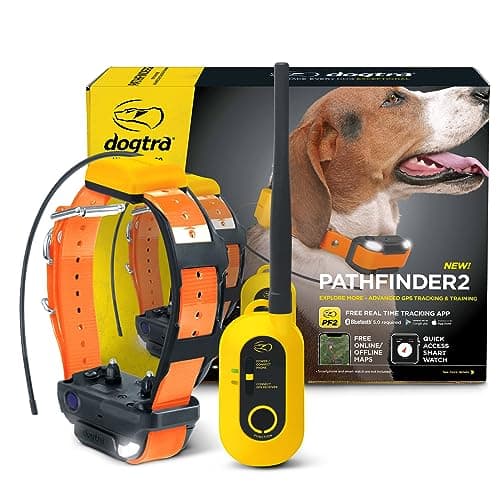
A handheld unit talking straight to the collar over license-free radio. No SIM, no network, no company in the loop, and therefore no subscription — ever. It works in dead zones, which is exactly where cellular collars are useless, which is why professional hunting-dog kit still uses it.
The limitation nobody mentions: the position only exists on the handheld in your hand. There is no app, no map you can check from work, no alert on your phone while you are out. You have to be there, holding it. For a working dog that is how you search anyway; for a pet that escapes while you are at the office it is no help at all.
Bluetooth tags
A tag in a waterproof collar holder, reporting via passing phones. Free forever, excellent for a dog lost in a neighborhood, silent for a dog lost in a field. The honest summary: this covers the most common dog-lost scenario completely, for about seven dollars plus the tag.
What to check on the collar itself
Weight against the dog, not the collar. A 30-gram module is nothing on a labrador and a lot on a whippet, and a dog that is uncomfortable will work at it until it comes off.
Charging interval versus your routine. Cellular collars want charging every few days. That is fine if the dog sleeps indoors and the charger lives by the door; it is a problem if the dog is kennelled and you see it once a day in a hurry.
Water rating, honestly assessed. Dogs swim. A collar rated for splashes is not rated for a pond.
One plan per tracker. Two dogs is two subscriptions on every cellular platform we are aware of, which doubles the $252 figure and is the point at which a radio system that tracks multiple collars from one handheld starts to look cheap.
GPS fences: read this before you spend $500
Wireless containment collars read the dog's own GPS position and compare it against a boundary you drew in an app. That means the boundary is only as accurate as the GPS fix, and under heavy tree canopy GPS accuracy degrades to tens of meters.
A boundary that wanders by that much is worse than no boundary at all: it corrects the dog at random, which teaches it nothing except that the collar is unpredictable. On open land these systems do what they claim. Look up at your own trees before you spend five hundred dollars. We cover fences separately here.