The same hard limit applies here as everywhere else on this site, and it is worth stating before the picks: no cellular device is free to run. Live location on a person, anywhere, requires mobile data, which requires a SIM and a carrier payment.
So “no monthly fee elderly tracker” resolves to three honest things, and only one of them is a safety device.
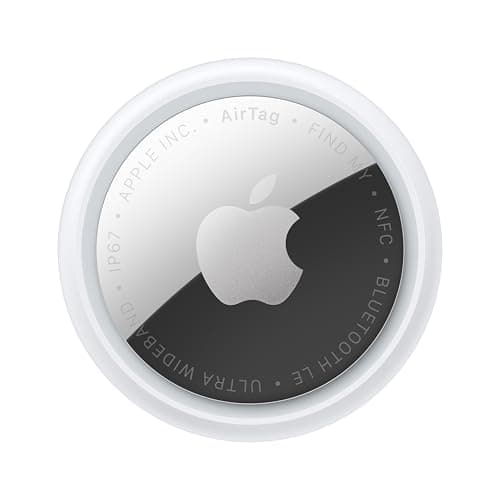
1. A Bluetooth tag, for the things that go missing
This is the genuinely no-fee option, and it solves a real problem that almost nobody frames correctly. For a lot of older adults, the daily difficulty is not a safety emergency — it is keys, a wallet, a handbag, a walking stick, glasses, a TV remote. Every one of those is a tag job, costs nothing to run, and removes a recurring source of distress and phone calls.
A multi-pack of tags across keys, bag and coat is one of the highest-value, lowest-cost interventions in this whole category, and nobody sells it because there is no subscription in it.
What a tag does not do: tell you where the person is, raise an alert, or help in an emergency. It finds objects in places with phones nearby.
2. The phone they already have
Also free, and frequently overlooked. Both major platforms include emergency SOS and location sharing as standard. For an adult who carries a phone and can operate it, turning those on costs nothing and does most of what a dedicated tracker would.
Spend an afternoon setting up emergency contacts, medical ID and location sharing on the phone they already own before buying anything. It is free, it is better than a tracker they will not carry, and it is the step most families skip.
3. A carrier line instead of a tracker subscription
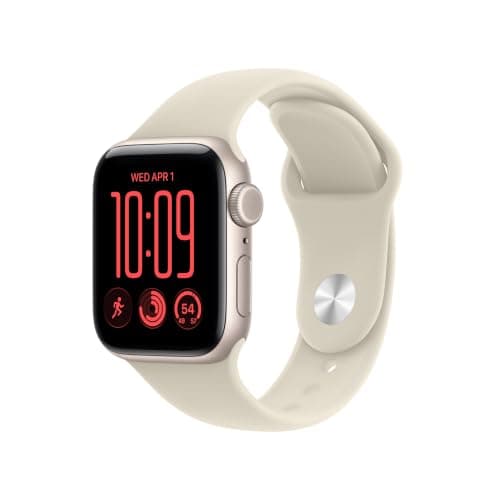
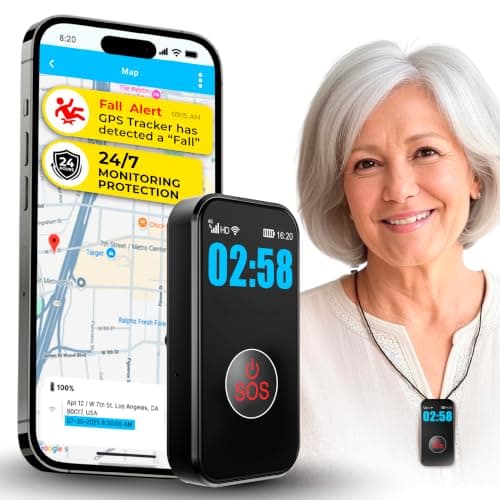
If you need real-time location, fall detection and an SOS button, there is no free route — but there is a cheaper one than a tracker subscription. A cellular smartwatch runs on a wearable line from your own carrier, often addable to a family plan for a few dollars a month. A dedicated tracker buys the same data wholesale and resells it to you with a margin.
Check your carrier's wearable pricing first. For most families it is the cheapest honest answer, and it comes with a device an older adult is far more likely to wear than a pendant.
Where to put tags, for an older adult specifically
The high-value targets are different from a younger person's, and worth listing because they are not obvious:
- Keys — the perennial one. A loud tag matters here, because the keys are usually in the house and the alarm finds them, not the map.
- Handbag or wallet — a card-format tag sits in a note slot.
- Walking stick or frame — an adhesive tag, and genuinely useful.
- Glasses case — a flat card tag, though not the glasses themselves, which nothing fits.
- TV remote — an adhesive puck. Trivial-sounding, and it prevents a surprising number of distressed phone calls.
- Coat lining — the one that goes with the person rather than the object.
Loudness is the specification that matters most for this use, because almost all of these items are lost inside the home where a map tells you nothing. Pebblebee states 130 dB and Chipolo states about 125 dB, both well above an AirTag.
Who manages the app matters more than the device
A practical point that determines whether any of this works: decide up front whose phone holds the tags.
If the older adult is comfortable with the app, set it up on their phone and share with you. If they are not, set the tags up on your phone and share with them — that way you can find their keys over the phone, which is usually what actually happens.
Getting this backwards is how a well-intentioned set of tags ends up unused: four tags paired to a phone whose owner cannot open the app.
Batteries, and keeping it maintenance-free
Prefer replaceable coin cells over rechargeable tags for this use. A rechargeable tag needs somebody to remember a cable once a year; a CR2032 can be swapped in two minutes on a visit, and Apple states more than a year per cell while Samsung states up to 500 days.
Put a reminder in your own calendar rather than relying on the low-battery notification reaching the right person. An annual tag-battery round takes ten minutes and keeps the whole arrangement alive.
Where we would spend the money instead of avoiding it
If the genuine concern is a fall, or wandering, we would not chase a no-fee solution. There isn't one, and the cost of getting it wrong is not measured in dollars.
Pay for the carrier line and the watch, or for a purpose-built device with a plan, and use the no-fee tags for the keys-and-wallet problem alongside it. The full roundup covers the paid options.