Start with the honest part: Tractive is the best-supported pet GPS platform there is. It has the largest install base in consumer pet tracking, a mature app, live LTE tracking with no range limit, virtual fence alerts that work, activity monitoring, and the best odds of any brand in this category of still existing in three years — which is not a small thing when the hardware is useless the day the servers go dark. It also absorbed Whistle, one of the two serious US competitors; whistle.com now returns a redirect to tractive.com, which we checked directly. If you are choosing a cellular pet tracker on the merits, Tractive is a defensible default and we recommend it on the dog pages of this site.
People search for alternatives anyway, and the reasons are almost never “the product is bad.” They are these four, and they point at four different replacements.
1. The plan. Tractive publishes Basic at $9 a month on a one-year term and $6 a month on a two-year term. The cheapest honest route to thirty-six months is a two-year term plus a one-year term, which is $252 — more than three times what the tracker costs. That is the number that sends people looking, and it is the number most review sites leave out.
2. It is billed per tracker. Two dogs is two subscriptions. Three dogs in a working household is $756 across three years before any hardware, and there is no household rate that changes that.
3. Coverage. A cellular collar needs a tower. If your land, your hunting ground or your hiking is somewhere LTE is thin, the tracker is quiet exactly when you need it, and no amount of subscription fixes a coverage map.
4. Subscriptions on principle. Some people will not rent a device they bought, and that is a legitimate position rather than a quirk. It is also the position this whole site is built around.
Which replacement matches which complaint
The mistake is shopping for a cheaper Tractive. There is no cheaper Tractive; there are different trades. Sort yourself by the reason first.
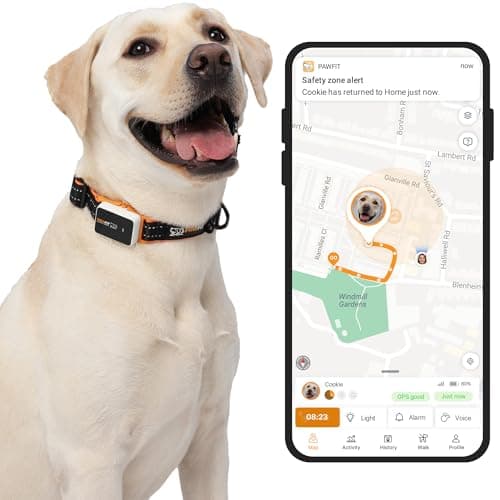
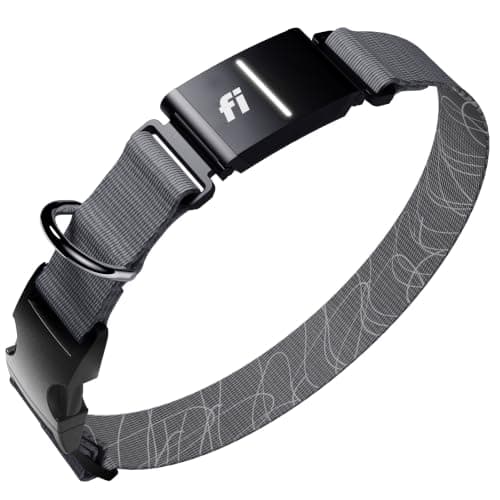
If the complaint is the plan, the only real fix is a different technology. Every cellular pet tracker has a SIM in it, and every SIM has a carrier behind it being paid. Fi requires a membership and says so on its own listing. SATELLAI requires a telecom plan and states it starts at $8.49 a month, which is $305.64 over thirty-six months — higher than Tractive, in exchange for a virtual fence in the same collar. Pawfit requires a plan it does not publish. There is no cellular collar on the market that will track a moving dog over LTE for free, and a page claiming otherwise is selling you something. The devices that genuinely have no subscription are radio systems and Bluetooth tags, and both work differently enough that you need to read the next two sections before buying one.
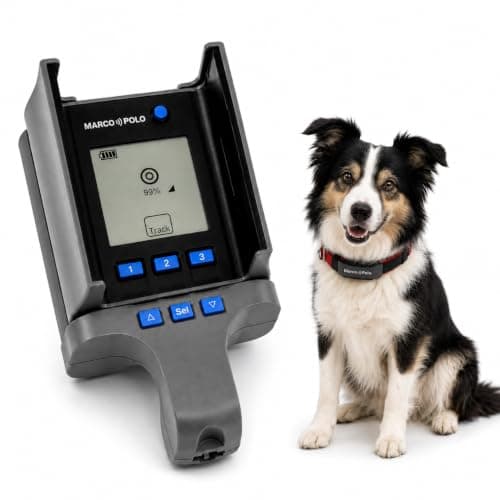
If the complaint is per-tracker billing, look at the radio systems. A Marco Polo handheld runs multiple pets with no per-animal fee because there is no fee at all. For two or three dogs over five years the arithmetic flips hard: the up-front cost is high and then it is zero, against $252 per dog per three years that never stops.
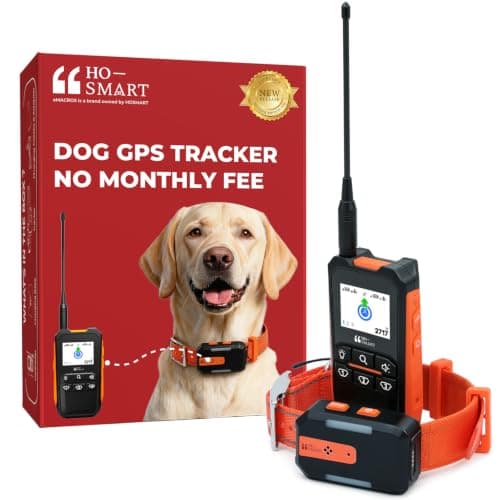
If the complaint is coverage, cellular was never going to work. This is the case where switching brands is purely a waste of money, because the limitation is the network and not the collar. Radio direction-finding is the answer, and what actually works where there is no signal goes through the options at length. The eMACROS unit is the cheapest route in; Garmin's Alpha handhelds are the serious end of it.
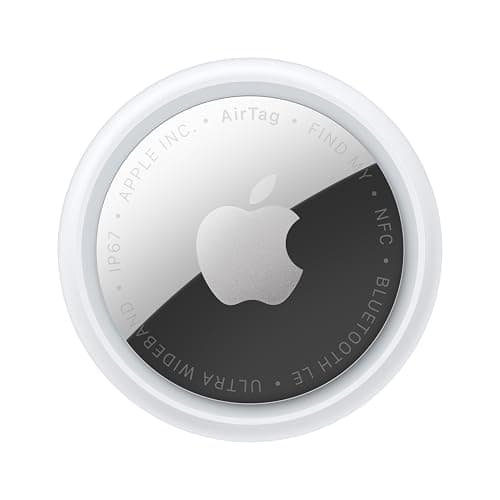
If the complaint is subscriptions on principle, be honest about the dog. The question that settles it is not what you are willing to pay but whether your dog actually roams. A dog that bolts occasionally and is found two streets over is solved by a tag in a collar holder, forever, for the price of two months of plan. Which collar tags fit, and which are real GPS covers that shortlist. A dog that clears a fence and is gone for hours is not solved by a tag, and pretending otherwise is the expensive mistake in the other direction.
What Tractive still does better than everything here
We would rather name this than hide it, because a page that pretends the incumbent has no advantages is not useful to anyone.
Platform odds. This category has a graveyard. Whistle was absorbed, and Fi's own tryfi.com now redirects to fitracking.com. When a pet GPS company folds, every collar it ever sold becomes a plastic shell, because the hardware is worthless without the servers. Tractive is the brand least likely to do that to you, and three years of plan payments is a bet on a company as much as on a device.
Unlimited range, properly. Over LTE a Tractive tracker reports from the next county. Radio systems are line-of-sight and collapse around terrain and buildings; Bluetooth tags need a stranger to walk past. Neither limitation goes away by spending more within its own category.
The app is the product, and it is good. Live mode, location history, virtual fence alerts, activity trends, and a shared view so more than one person in the household can look. Most alternatives here are a step down on software even where they are a step up on cost, and the radio systems have no app at all.
The three-year arithmetic, side by side
This is the comparison the category avoids, so here it is in prose with every figure attributable to the brand that published it. Tractive: $252 of plan across thirty-six months on Basic, taken the cheapest honest way. SATELLAI: $305.64 at the $8.49 monthly rate SATELLAI advertises, and the collar on top. Fi: a required membership whose rate Fi does not publish on a static page we can cite. Pawfit: a required plan, rate unpublished. eMACROS and Marco Polo: nothing, forever, after the purchase. An AirTag in a holder: nothing, forever, plus roughly a dollar a year in coin cells.
Device prices are deliberately absent from that paragraph, because they move and because they are the small half of the decision. Every price on this site comes live from Amazon with the date attached and disappears when it goes stale — add the live figures above to the plan figures here and you have the real number. Every plan rate we can cite, multiplied out to thirty-six months is the full table.
What we would actually do
A dog that genuinely runs, and a household that will pay a plan. Stay with Tractive, or take Fi if you want the collar-integrated hardware and the longer battery and you have read the rebrand note. Switching brands to save a few dollars a month on a device your dog's safety depends on is the wrong place to economize.
A dog that runs, on land with no coverage. eMACROS, and accept the handheld. No cellular collar of any brand solves this, and buying one is the single most common wasted purchase in this category.
Two or more dogs, long term. Marco Polo. The up-front number is uncomfortable and the five-year number is not close.
A fence problem rather than a tracking problem. SATELLAI, because the fence and the tracker are the same collar — or a dedicated containment system, which the no-fee dog fence options covers separately. Check SATELLAI's own guidance on tree cover first.
A dog that does not actually roam. Cancel the search and buy a tag. This is the most common correct answer and the least profitable one for everybody involved, including us.
Before you switch: three things that are not the tracker's fault
A good share of the frustration that sends people looking for an alternative is fixable without buying anything.
Battery life that seems short. Live mode on any cellular collar reports constantly and drains accordingly. Left in live mode permanently, every tracker in this category disappoints, and switching brands reproduces the problem exactly. What each brand's battery figure is actually measuring explains why the box number and your experience diverge.
Position drift at home. A GPS fix under a roof, in a yard hemmed by tall buildings, or under heavy canopy is a poor fix for reasons that have nothing to do with the manufacturer. How accurate these devices really are, by technology sets the expectation honestly before you blame hardware.
The collar, not the module. Most complaints about a tracker being heavy or rubbing are about how it is mounted. A module on a loose collar swings; on a correctly fitted one it does not. Fit before you replace.
The platform risk nobody prices in
This matters more than any specification on this page and it is the reason we will not recommend an unknown brand to save twenty dollars. A cellular pet tracker is a subscription to a company, with hardware as the delivery mechanism. When the company leaves, the collar stops reporting — not degrades, stops. Whistle's own domain now points at Tractive. Fi has moved domains. These are not rumors; they are HTTP responses anyone can check.
The practical rule we would apply: if you are going to pay a subscription at all, pay it to the largest platform you can afford, because scale is the only real protection you have. If you are not willing to make that bet, do not buy a smaller brand's subscription collar — buy a radio system or a tag, where there is no company in the loop and nothing to switch off. Every route to tracking a dog with no monthly bill is the page for that decision.
What switching actually costs you
Three things people forget. The location history on your current platform does not come with you — if the activity trends or the walk records matter to you, export or screenshot what you want before you cancel. Annual and multi-year terms are usually what made the rate low in the first place, so leaving mid-term rarely refunds the difference. And the hardware has almost no resale value, because the buyer has to start a new subscription anyway.
None of that should stop a switch that is right. It should stop a switch made to save three dollars a month, which after the hardware and the lost term is not a saving at all.
One note on cats
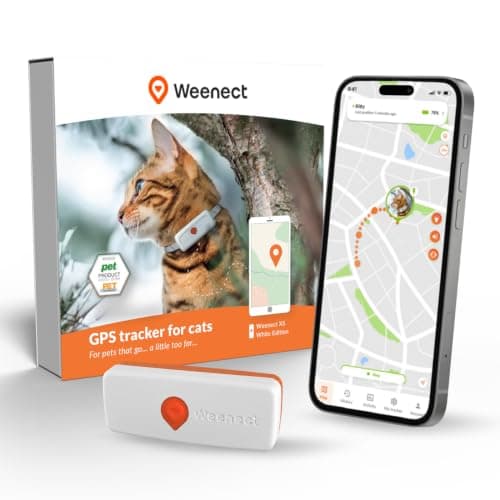
The weight limit does most of the choosing. Cellular modules sized for dogs are too heavy for most cats, which is why Weenect's Cat XS is on this list and why the radio option for a cat is a featherweight tag on a handheld system rather than anything collar-shaped. A breakaway buckle is not optional on a cat, and a breakaway collar can leave with the tracker attached, which is a real limitation of every option rather than a flaw in one. The cat-specific shortlist, with the weight problem up front is the better page if the animal is a cat.