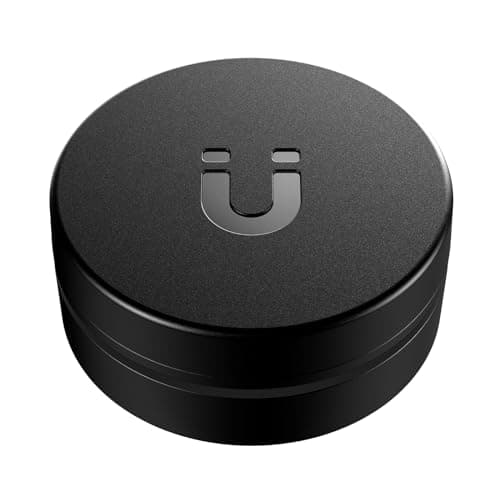
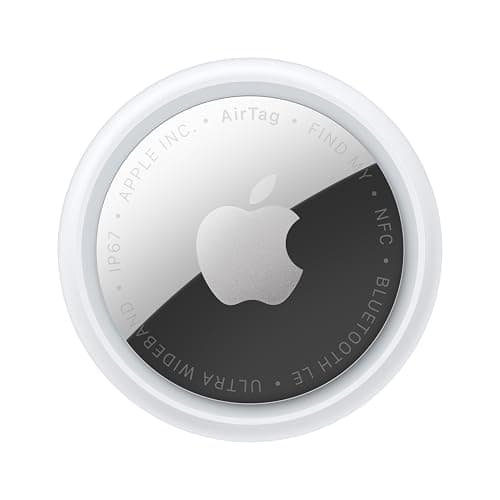
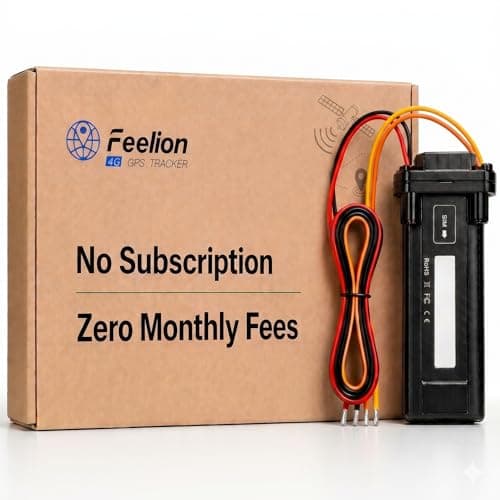
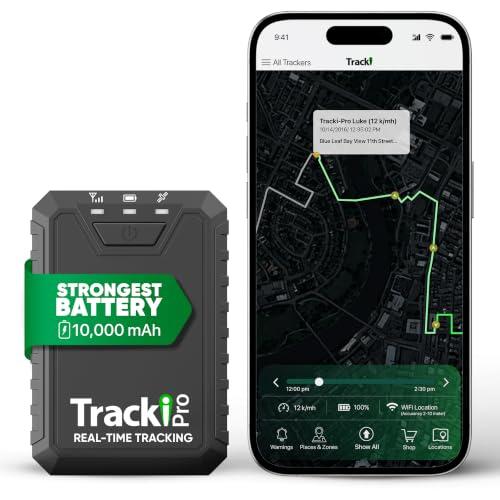
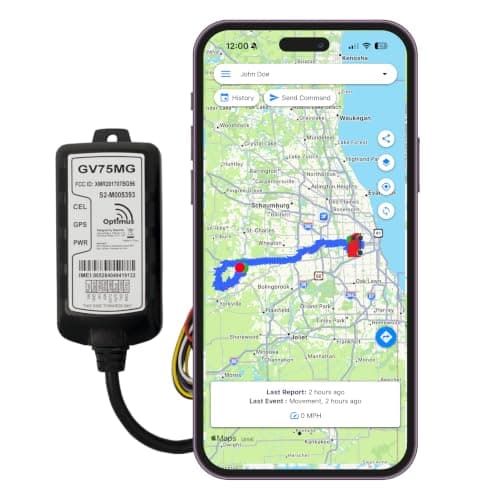
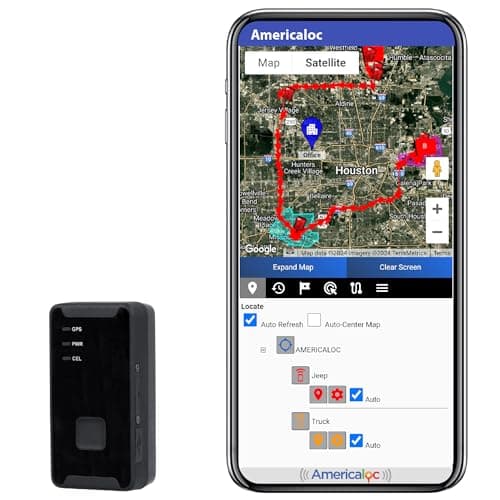
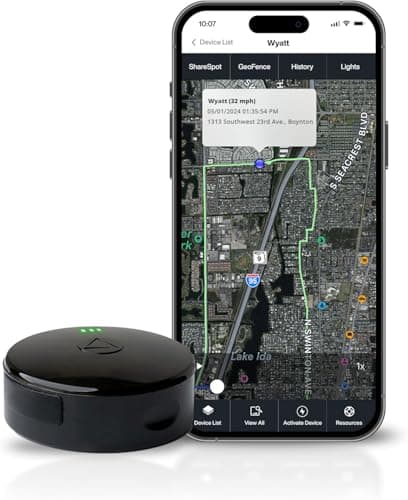
For a ride-on mower in a normal neighborhood, buy a magnetic waterproof shell and an AirTag and hide it on the frame: around forty dollars, once, with no plan. For a zero-turn that earns money, or any machine kept somewhere rural, buy a cellular tracker and price the plan first — the LandAirSea 54 is the usual answer, and the Tracki Pro is the one to pick if the machine sits unused all winter. Everything below is sorted by how it mounts and what it costs to own for three years, because on a mower those two questions decide it.
Mowers are stolen constantly and protected almost never. A ride-on lives in an unlocked shed or under a tarp beside the garage, a zero-turn lives on an open trailer at job sites, and both are four-figure machines that roll silently onto a ramp in under a minute. Nobody thinks of a mower as a vehicle worth tracking until it is gone, at which point there is no plate to broadcast, no key fob to deactivate and frequently no record of the serial number.
What makes a mower different from a quad
If you have read our roundup of ATV and UTV theft trackers, some of this will look familiar — no diagnostic port, no factory immobilizer, machines that sit still for months. Two things about a mower genuinely change the answer, and they are the reason this page exists separately.
A mower is steel, and it has its own battery. A riding mower’s deck, frame and engine shroud are steel, so a magnetic tracker grips properly — which is not true of an aluminum-framed sled, the problem that pushes our snowmobile page toward adhesive and strap mounts. And unlike almost any quad, a ride-on or zero-turn has a real 12V lead-acid battery and a key switch, which puts hardwiring on the table. That is a genuine advantage: a hardwired unit never needs charging and cannot be found by somebody feeling around for a loose box.
The off-season is five months long. This is the part that catches people out. A mower is used from roughly April to October and then sits. A battery-powered tracker rated in weeks is useless in that window, because nobody is going to retrieve it from under a deck in January to charge it. And a hardwired tracker has the mirror-image problem: it draws a small current continuously, and a mower battery is small. Leave a hardwired unit live through a winter on an unmaintained battery and the first crank of spring is a click. Neither of these is a reason to skip tracking a mower. They are the reason the right answer is either a very large battery, or a hardwired install plus a battery tender, or a coin-cell tag that runs for a year on nothing.
The three technologies, and which one a mower wants
There are three ways to find a machine and they are not price tiers — they are different products that fail in different ways.
A Bluetooth tag — AirTag, Moto Tag 2, Tile — has no GPS and no network connection. It shouts an identifier and waits for a passing phone to report it. In a suburb that is startlingly effective and costs nothing per month. On forty acres, or inside a steel box truck, it reports nothing at all, and the mower’s own bodywork cuts its range further. A tag is the right purchase for a mower taken from a populated area and the wrong purchase for anything else.
A cellular GPS tracker works out its own position from satellites and sends it over a mobile network. This is what recovers a machine in motion, and it is the only option that gives law enforcement a live address rather than an hour-old guess. It needs a plan, forever, and in this category the plan routinely costs several times the device — the three-year arithmetic across every tracker we cover is the table to read before you buy one.
Radio direction-finding — the technology behind the no-fee hunting-dog systems — has no network at all, but it needs you to be walking around with a handheld within a few miles of the thing you are looking for. It is a superb answer for livestock and a poor one for a stolen mower, because a stolen mower is not three fields away, it is on a trailer.
Where to actually mount it
A tracker that is found in thirty seconds has done nothing. On a ride-on, the spots worth using are the battery compartment under the seat, the inside face of the frame rail behind the rear axle, and the void behind a plastic side panel. On a zero-turn, the space under the seat pan and the inside of the roll-bar uprights are both big enough and both out of sight.
Three things to avoid. Keep any tracker away from the muffler and the engine shroud, where a long summer of heat will cook a lithium cell. Do not put a magnetic unit anywhere it takes direct impact from the deck or from debris — mowers throw stones. And do not mount a GPS tracker underneath a steel plate if you can help it: it needs some view of the sky, so inside a plastic panel or in the battery box beats bolted flat under the chassis.
While the cover is off, photograph the serial number plate and write the number down somewhere that is not the shed. Recovering a machine depends on proving it is yours, and a tracker that leads a deputy to a yard full of mowers is only half of a result.
How we ranked these
Four criteria, applied in this order, which is also the order in which they actually decide the purchase.
1. Three-year cost, not sticker price. A $15 cellular tracker with a mandatory plan is a more expensive machine-protection decision than a $40 tag that never bills you. Every pick above carries its plan reality in the same row as the device, and two of the seven cost nothing after purchase.
2. Will it still be alive in March? Any device that needs charging more often than twice a year fails the off-season test on a seasonal machine. That is why the Tracki Pro’s stated 10,000 mAh cell and the hardwired options rank where they do, and why a four-week battery unit — perfectly fine on a daily-driven car — is a poor fit here.
3. Can it be mounted out of sight on this specific machine? Steel everywhere means magnets work, but heat, vibration and thrown debris rule out half the obvious locations. Waterproofing is not optional on a machine that gets hosed down and lives outdoors.
4. Is the company going to be there? Unbranded no-fee hardware on an unbranded platform is a reasonable risk on a ten-year-old ride-on and a poor one on a new commercial zero-turn. For the expensive machine, pay for a brand that publishes a support number.
Residential ride-on versus commercial zero-turn
These are two different problems, and the same page keeps getting written as though they are one.
A residential ride-on is taken opportunistically, usually from a yard or an unlocked shed, usually by somebody local, and it typically does not travel far before it is parked or listed for sale. Populated area, short distance, local buyer: that is precisely the scenario a crowd-network tag handles well, and it is why we are comfortable naming a forty-dollar no-fee setup as the right answer for most homeowners rather than upselling a subscription.
A commercial zero-turn is a different crime. It is stolen off a trailer at a job site or out of a yard overnight, frequently to order, and it is on a truck within minutes. That needs live cellular reporting, and it needs the trailer tracked separately — most crews lose the trailer and the machines on it in one go, which is what our trailer tracker roundup is about. If you run several machines, the per-device plan arithmetic starts to look like a fleet problem rather than a consumer one, and the fleet tracking page covers how those plans are priced.
What a tracker will not do
It will not stop the theft. A tracker is a recovery tool, and the honest order of spend on a mower is a decent shed lock or hitch lock first, a tracker second. It also will not make the recovery your job: if a mower is located on private property, that is a call to law enforcement with your serial number and your location history, not a trip to go and get it.
And no tracker survives being thrown in a river by somebody who found it. That is the real argument for spending ten minutes on the mounting location rather than another hundred dollars on hardware.