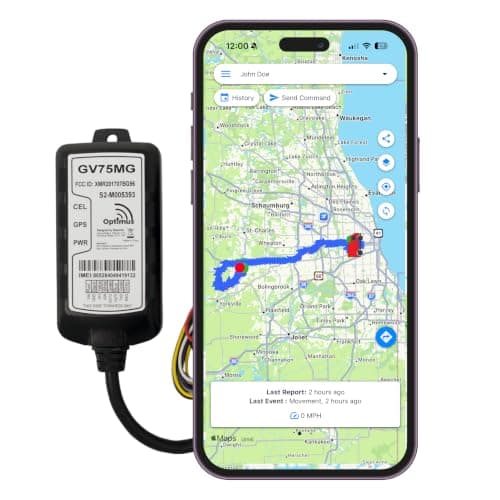
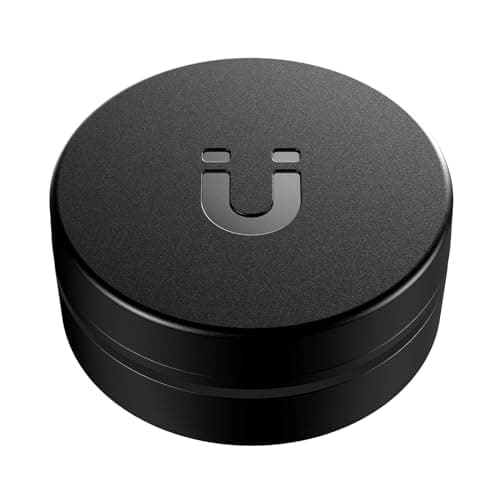
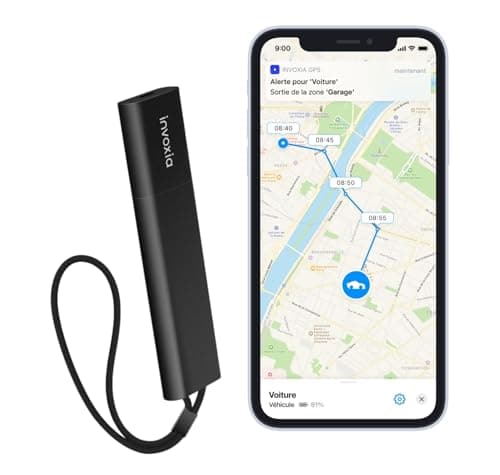
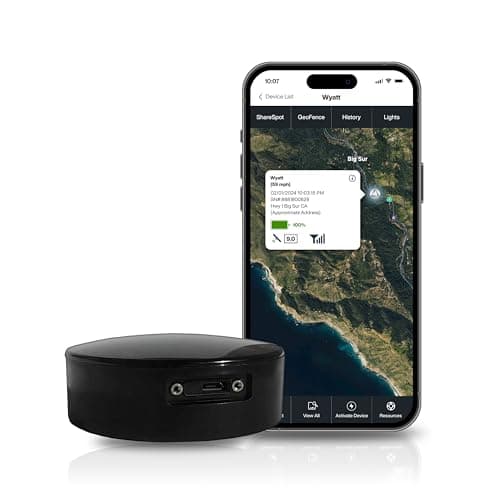
For a quad or a side-by-side that sits outside between uses, the LandAirSea Overdrive is the pick: magnetic, waterproof, no install, and the longest battery life in its range so you are not recharging a tracker on a machine you look at once a month. If the machine gets used often and you are willing to wire into it, the Optimus GV75MG is the better long-term answer because it never needs charging at all. If it is a ride-on mower parked where people walk past, a no-fee tag in a magnetic shell may be all you need.
Powersports machines break three assumptions most car-tracker advice is built on. There is no OBD-II port, so the entire category of plug-in dongles is out. There is often no mains power within reach of where the machine is stored, so “just put it on a tender” is not an option. And the machine is frequently stolen on a trailer rather than ridden away, which means a tracker that only reports when the engine runs reports nothing at all.
Battery, hardwired or tag
Battery-powered magnetic. Sticks to the frame in minutes, moves between machines, and survives weather in a sealed case. You accept a charging schedule, which is the one thing people reliably fail at. Pick the longest-battery unit in the range rather than the cheapest, because the charging interval is the whole risk.
Hardwired. Takes an afternoon and a fuse tap, never needs charging, and can be hidden under bodywork where a thief will not find it in the dark. The right choice on a machine ridden often enough to keep its battery topped up. On one that sits all winter, read the battery-draw arithmetic first — a small machine battery and a cellular tracker are a bad combination over a long layup.
A Bluetooth tag. Zero draw, zero running cost, and genuinely useful if the machine lives where phones pass. Useless on open land. It is a theft alarm with a long delay, not a recovery tool.
The trailer problem
Most quads are not ridden away; they are winched onto a trailer. So the tracker needs to report motion whether or not the engine is running, which rules out anything wired to an ignition-switched feed and makes a motion-triggered alert the feature to look for. If you move machines on a trailer regularly, tracking the trailer as well is the cheaper insurance — the trailer picks are here.
Mowers, snowblowers and yard equipment
A ride-on mower is the lowest-stakes version of this, and usually the one where a no-fee tag is the correct answer. It gets taken from a suburban yard or an unlocked shed, it ends up somewhere with phones nearby, and nobody wants a monthly bill protecting a machine they use eight times a year. Put a tag in a magnetic waterproof shell out of sight under the deck and accept the limits.
What to check before you buy
Does it alert on motion, not on ignition? A machine on a trailer has its ignition off. Motion alerts are the feature that matters.
What is the real charging interval? Manufacturer battery figures assume a reporting interval you may not want. Ask what the life is at the interval you plan to use, then assume you will forget once.
Is the case actually sealed? “Weather resistant” on a machine that gets pressure-washed is not the same as a sealed waterproof housing. This is where the cheap units fail first.
What does the plan cost over three years? Every cellular device on this page needs one, and on a $50 tracker the plan is five to ten times the hardware. The three-year cost table is the honest comparison.
The no-fee route, and what it costs you
There is a genuine no-subscription path here: a prepaid-service cellular unit, or a radio or Bluetooth device with no network at all. The prepaid units are marketed as “no monthly fee”, which is true in the sense that nothing is billed monthly — the service term is baked into the purchase and will eventually need renewing. Ask what renewal costs before you buy; a brand that will not tell you is telling you something. What one-time-payment tracking actually means.
Our recommendation, plainly
One machine, stored outside, checked rarely: the Overdrive, with a calendar reminder to charge it. Several machines on a working property: hardwire the ones that get used, tag the ones that do not, and track the trailer. A mower in a suburban yard: a tag in a magnetic shell, and spend the difference on a better shed lock.