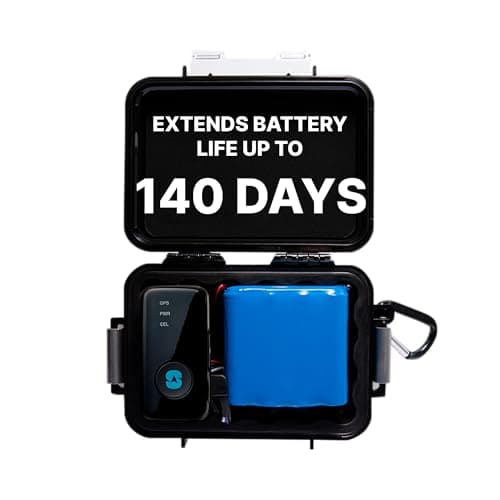
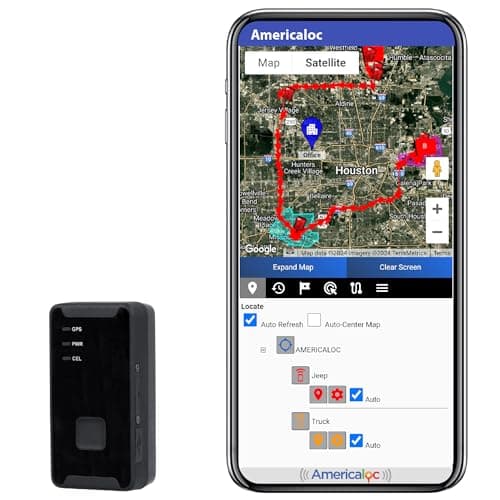
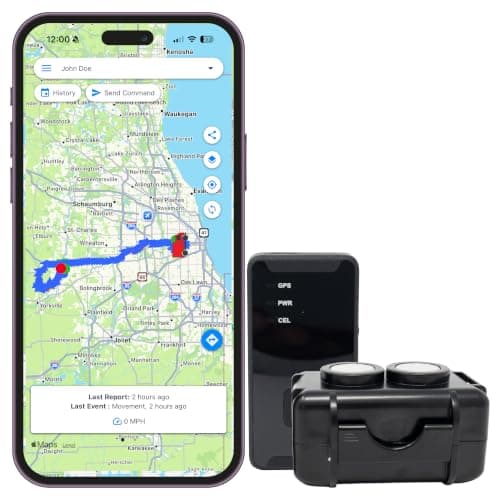
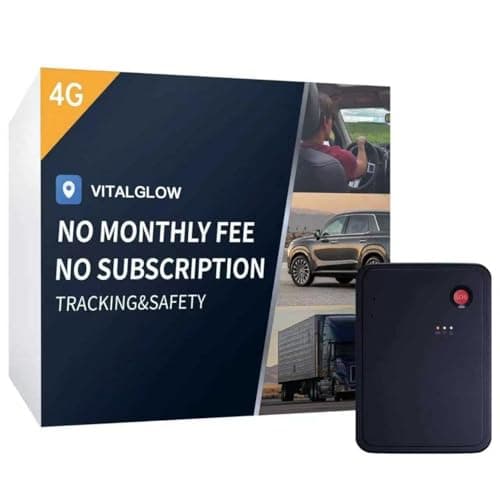
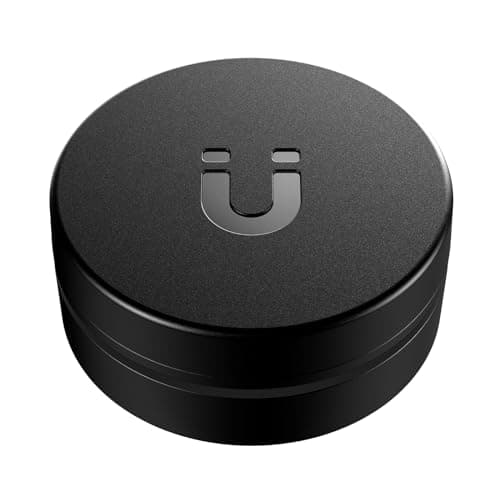
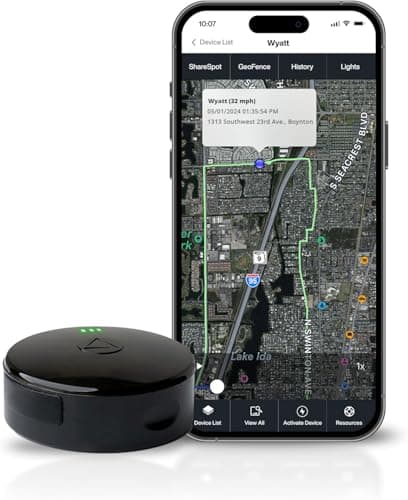
For most vehicles the magnetic tracker to buy is the LandAirSea 54 Premium Edition: it sticks on in a second, it is waterproof, it has a longer battery than the standard 54, and LandAirSea actually publishes its plan rates so you can work out the real cost. If you want the longest gap between charges, the Spy Tec unit with the stated 140-day battery is the pick, and its plan prices are published too. If the words “no monthly fee” are the reason you are here, read the next two paragraphs before you spend anything.
Magnetic is a mounting choice, not a technology. Underneath, every magnetic device on this page is one of two things: a battery-powered cellular tracker with a SIM inside it, or a Bluetooth tag inside a magnetic case. The first kind tells you where the vehicle is right now and needs a data plan to do it. The second kind costs nothing per month and tells you where the vehicle was the last time somebody else's phone walked past it. There is no third option, and no amount of listing copy changes that.
That is why “magnetic GPS tracker, no monthly fee” is such a common search and such a thin shelf. A tracker with its own radio needs airtime, and airtime is a recurring cost whether it is billed monthly or bundled into a higher sticker price. The honest versions of “no fee” in this category are prepaid service sold inside the purchase, which is a real future cost with the renewal date hidden, or a tag in a magnet case, which is not a live tracker at all. The full version of that argument is here.
What actually separates one magnetic tracker from another
The plan, costed over three years. This is the first criterion and it is not close. A cheap device on a plan published at $14.95 a month costs $538.20 over thirty-six months; the same three years on a published $8.95 plan is $322.20. Sticker price tells you almost nothing. Brands that publish their rates on a page you can read before buying — LandAirSea and Spytec here — are doing you a service that the unpublished-rate brands are not.
Battery life between charges, not battery capacity. A magnetic tracker has no power source, so somebody has to take it off the vehicle and charge it. Every week is a chore nobody keeps up; every four months is a calendar reminder. The stated figures in this class range from days to a manufacturer-stated 140 days, and the difference decides whether the device is still working in a year. What those battery claims are measuring is worth understanding before you compare two of them.
The case, not the magnet. Every one of these holds fine to clean steel. What varies is whether the shell keeps water out of the electronics through a winter of road spray and whether the magnet is strong enough to survive a pothole at speed. A sealed, weatherproof case is the spec that matters; a stronger magnet on an unsealed case is a worse product.
How often it reports. Real-time means an update every few seconds to a few minutes while the vehicle moves, which is what you want for a stolen car and what drains the battery. Low-power devices report periodically — every few hours, or on movement — which is what you want on a trailer that sits for three weeks. Faster is not better; matched is better.
Where it can legally go. On a vehicle you own, this is a non-issue. On a vehicle somebody else owns or drives, it is a serious one, and several states address tracking devices directly. What the statutes actually say is the page to read before you put a magnet under anybody else's car.
Where the magnet goes
The frame rail, the inside of a wheel arch and the underside of the trunk floor are the three places these devices normally live. All three are steel, all three are out of sight, and all three are filthy: a case that is merely “water resistant” is sitting in salt spray for five months of the year.
Two practical notes. First, a tracker under a steel body has a worse view of the sky and a worse radio path than one inside the cabin, so a unit that reports perfectly on a desk can be sluggish under a truck. Second, that attenuation is far worse for a Bluetooth tag than for a cellular tracker — which is the main reason an AirTag in a magnetic case under a car is a weaker product than the same tag in the glovebox.
Which one, by what you are tracking
A car you drive and want to find if it is stolen: the LandAirSea 54 Premium Edition. Real-time reporting, a published plan rate, and a waterproof magnetic case you can move between vehicles in seconds. Budget for the plan as the main cost, because it is.
A trailer, a second vehicle or a piece of plant you see once a season: the Spy Tec unit with the stated 140-day battery, or the LandAirSea Overdrive if you want the longest-running battery that brand sells. Charging is the failure mode on anything unattended, and four months beats four weeks.
A vehicle with 12V you can reach: do not buy a magnetic tracker at all. Hardwire one instead and the charging problem disappears permanently. The three install types, compared lays out that trade honestly: battery trackers win on flexibility and lose on everything else.
You will not pay monthly, full stop: then you are choosing between a prepaid-service device, where the cost is front-loaded and the renewal is the thing to ask about, and an AirTag in a magnetic waterproof shell, which costs the price of a case plus a tag and nothing after that. The second is honest and limited. Our full no-monthly-fee car tracker shortlist goes through every route, including the ones that only look free.
The AirTag-in-a-magnet question, answered properly
It is the most common version of this search and it deserves a straight answer. A tag in a magnetic case under your car will often tell you roughly where the car is, because in a town there are iPhones everywhere and each one that passes relays the tag's position. It will also, routinely, tell you nothing for hours — because the car is in a garage, or on a rural road, or because the steel body is swallowing a signal that was never designed to get out from under a vehicle.
For a trailer parked on a residential street, that is useful and it costs nothing per month. For a stolen car being driven down an interstate, it is not a recovery tool. Where it is versus where it was is the whole distinction, and anybody selling you a magnet case as a car tracker is skipping it.
What none of these do
None of them stop the vehicle being taken, and none of them make recovery your job. A tracker gives you a position to hand to the police, which is a phone call rather than a drive across town — a point we make at length in how to find a stolen car. None of them report with the plan lapsed, either: a cellular tracker whose subscription has expired is a magnet with a dead battery in it, which is the single most common way people discover what the plan was actually for.