The question has two halves, and separating them clears up most of the confusion in this category.
Half one: working out where it is — no network needed
GPS is a constellation of satellites broadcasting timing signals. A receiver listens to several at once and computes its own position from the differences. It is receive-only: nothing is transmitted, nothing is logged by anyone, and it is free and unmetered.
A GPS receiver works in the middle of an ocean, in a desert, on a mountain — anywhere with a view of the sky. No internet, no cellular, no account.
Half two: telling you — this is the part that needs a network
The device now knows where it is and has to get that to you. That requires a transmitter and something to transmit to, which is where every cost and every coverage problem lives.
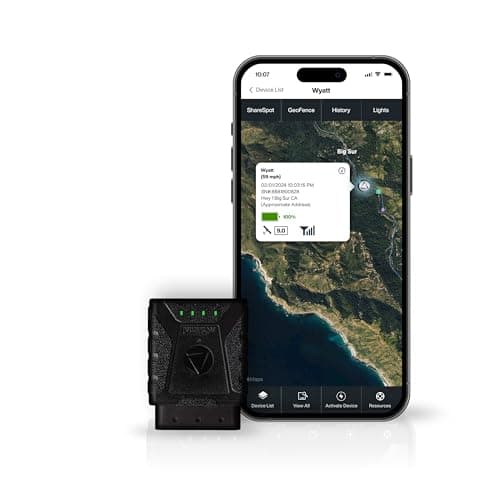
Cellular: a SIM and a mobile network. Works almost everywhere people live, fails in coverage holes.
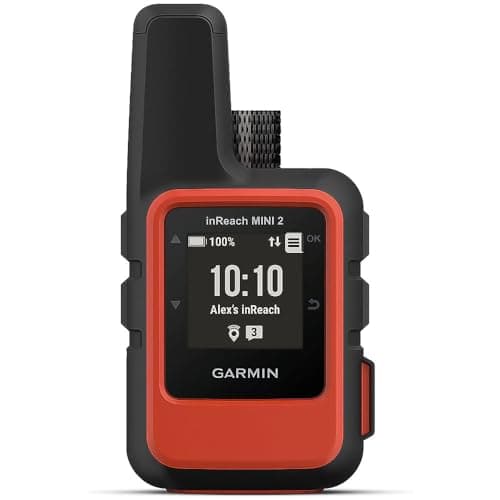
Satellite: works globally, needs an airtime plan.
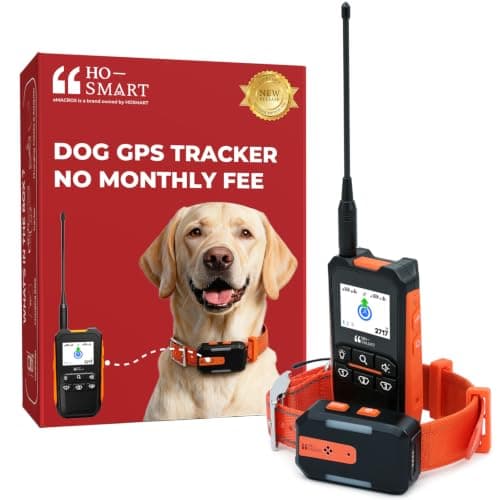
Radio: works to a handheld in your hand, no network at all.
Bluetooth crowd network: borrows both halves from a passing phone — which is why a Bluetooth tag has no GPS receiver at all.
So what happens in a dead zone?
A cellular tracker in a coverage hole knows exactly where it is and cannot tell you.
Most devices handle this with store-and-forward: they log positions internally and upload the whole track when signal returns. So after the fact you get a precise record of where the thing was. During the event, you get nothing.
That distinction matters enormously depending on what you are tracking. For a stolen vehicle recovered three days later, the stored track is useful. For a dog in a valley right now, it is no help at all.
Checking coverage before you buy
Do this with your own phone rather than a carrier's coverage map, which is optimistic by design.
Walk the places the tracker will actually be — the fields, the storage yard, the barn — and note where you lose signal. Then be pessimistic about the result: a tracker at ground level in a dip receives considerably worse than a phone held at head height on a track.
If you lose signal in the one place that matters, a cellular tracker will fail there specifically, every time, regardless of brand.
What works with no connection at all
Radio direction-finding. A handheld talks straight to the collar, so there is no network to be missing. Live distance and direction, no subscription, works in any dead zone. The trade is that the position only exists on the handheld you are carrying.
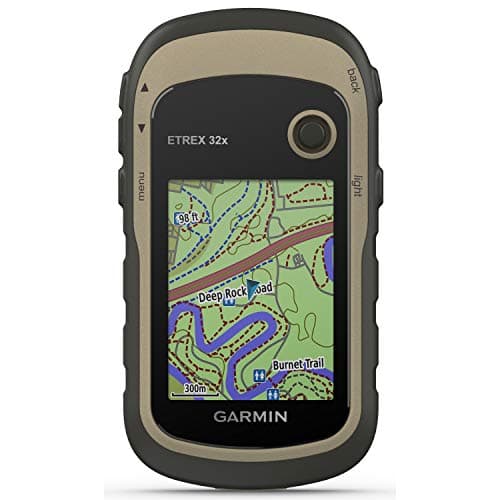
A handheld GPS receiver. Worth mentioning because many people searching this question actually want one. A Garmin eTrex tells you where you are, anywhere, on AA batteries, with nothing connected. It does not tell anyone else and it is not an item tracker.
Satellite. Reports from anywhere on earth, with its own airtime plan — so this is the case where no cellular does not mean no cost.
Does your phone need internet to find a tag?
Yes, for the network part. A crowd-network tag's position arrives through Apple or Google, so your phone needs a connection to fetch it.
Two exceptions worth knowing. If the tag is within Bluetooth range of your own phone, you can ring it and use Precision Finding with no internet at all — which covers the lost-in-the-house case entirely. And a cached last-known position may still display offline.
Airplanes, basements and metal boxes
Three environments where everything fails, for different reasons.
An aircraft hold: no passing phones for a tag, and no cellular signal at altitude for a tracker. Expect silence from either and a report on landing.
An underground car park: no sky for GPS, often no cellular, and a tag depends on whether people walk through. A tag frequently does better here than a cellular tracker, which surprises people.
A shipping container or steel chest: both fail. Metal blocks GPS and attenuates Bluetooth badly. Nothing reports from inside a sealed steel box.
The practical summary
Nothing needs “internet” to know where it is. Everything needs some kind of link to tell you — and which link it uses determines where it works, what it costs and whether it is free.
If the place that matters has no cellular signal, you want radio for live tracking, satellite if the subject is a person, and a Bluetooth tag only if there will be people passing through.