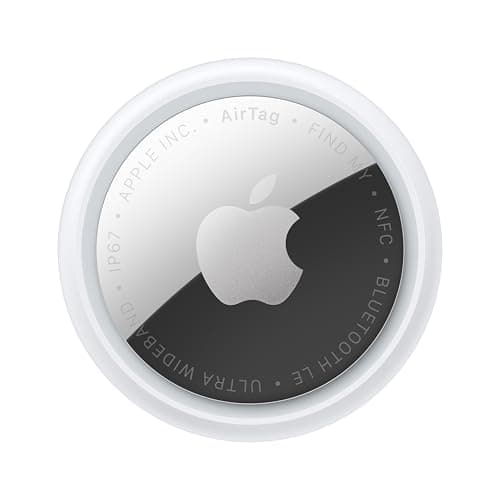
Almost no consumer tracker is waterproof. Most are water-resistant to a stated IP rating, which is a specific lab measurement rather than a promise, and the difference matters if the tag is going on a dog or a bike.
What the numbers mean
An IP rating has two digits. The first is solids, the second is liquids.
IP6X — the 6 means dust-tight. Every tracker worth buying has this.
IPX6 — rated against powerful water jets from any direction. Rain, hose spray, a wet walk. Not immersion.
IPX7 — rated for temporary immersion, conventionally 1 meter for 30 minutes.
So IP67 is dunk-rated and IP66 is rain-rated, and that is the practical distinction to carry around.
What the manufacturers state
Apple AirTag: IP67. Apple describes it as splash, water and dust resistant, tested under controlled laboratory conditions to a maximum depth of 1 meter for up to 30 minutes under IEC standard 60529 — and adds explicitly that resistance is not a permanent condition and may decrease as a result of normal wear.
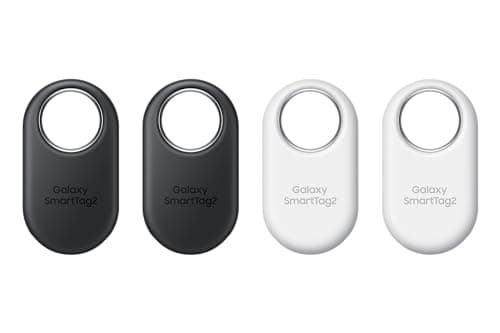
Samsung SmartTag2: IP67, rated based on lab test conditions for submersion in up to 1 meter of freshwater for up to 30 minutes.
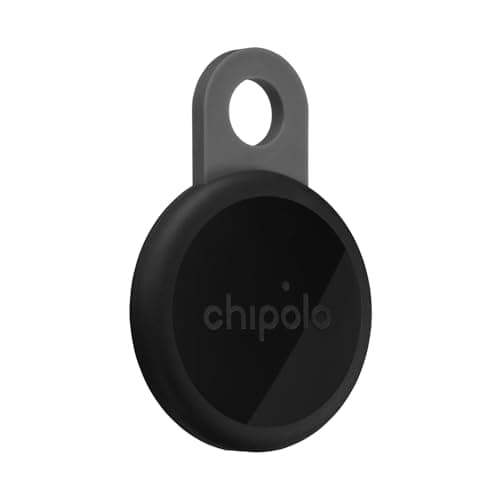
Chipolo LOOP: IP67, stated as waterproof and dust-tight, up to 30 minutes in 1 meter of water.
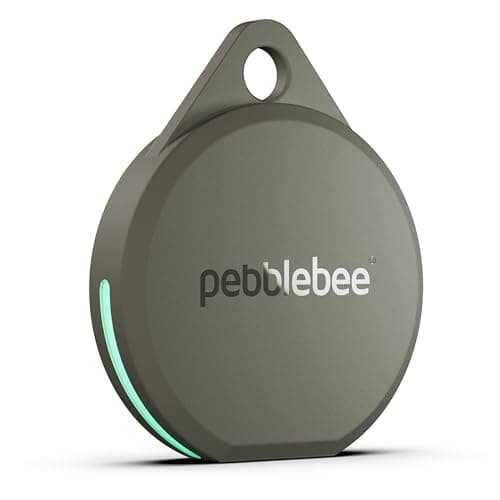
Pebblebee Clip 5: IP66, which Pebblebee states as rated for maximum protection — and which is a jet rating rather than an immersion one.
The caveat Apple states out loud
Worth repeating because it applies to every device with an IP rating, not just Apple's: water resistance is not permanent and degrades with normal wear.
The seal is a gasket. Gaskets compress, dry out, pick up grit, and get disturbed every time you open the battery compartment. A three-year-old tag that has had two battery changes is not holding its original rating, and nobody can tell you what it is holding instead.
By use case
Keys, bag, wallet
IP66 or IP67, either is fine. The realistic exposure is rain and a dropped bag, and both ratings cover that comfortably.
A dog that swims
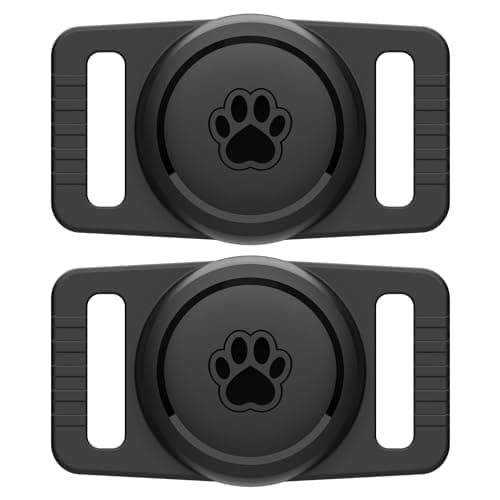
IP67 minimum, plus a waterproof silicone collar case. A dog does not swim for thirty seconds in clean fresh water under laboratory conditions — it swims repeatedly, in ponds, and then rolls in wet grass. The case is doing most of the work here, not the tag.
A bike or a motorcycle
IP67 plus a sealed mount. Road spray is more aggressive than rain, and a bike-mounted tag sees it constantly. A merely jet-rated tag in an open mount will not last a winter.
A boat
Nothing in this category is rated for a marine environment, so put the device somewhere dry and high and treat the rating as a bonus. Salt air corrodes contacts that fresh water would not touch.
A tool box on site
IP67 and a sealed mount, because site water carries grit and gets everywhere. Oil is a separate problem: it degrades silicone over time and defeats adhesive mounts.
Three things that ruin a rating
Opening the battery compartment. Every time you do it, the gasket is disturbed. Make sure the cover is properly seated and fully twisted home, and if the tag has been swimming regularly, consider replacing the whole tag rather than the battery when it is a few years old.
Grit in the seal. A tag on a dog collar accumulates sand and dried mud around the seam. Rinse it occasionally with fresh water and dry it — which is also the fix for the next one.
Salt and chlorine. IP ratings are tested with fresh water. Sea water and pool water are both harder on seals and on contacts. Rinse after either.
What to do if a tracker gets soaked
Dry the outside first, before opening anything — water sitting in the seam will go straight inside the moment you break the seal.
Then open the battery compartment, remove the cell, and leave it somewhere warm and dry for a day. Do not apply heat beyond ambient warmth, and do not bother with rice, which does nothing a dry room does not.
If it was sea water, rinse the inside with fresh water first and then dry it. Salt left in place keeps corroding long after the water has gone.
The honest summary
A tag on a keyring will never test its rating. A tag on a dog, a bike or a tool box will test it constantly — and for those jobs the holder matters more than the rating. Buy IP67 and put it in a case designed for the environment, and the tag will outlast its spec sheet.