Let us be straight about this before the picks, because the search term promises something that does not exist.
There is no device that gives you live location on a child, anywhere in the country, with no ongoing cost. Live location over distance requires cellular data, cellular data requires a SIM, and a SIM requires somebody to pay a carrier. Every “no monthly fee child tracker” is either a Bluetooth tag — which is a different thing — or a cellular device prepaying or bundling the service.
So what does no-fee actually get you?
A Bluetooth tag, which reports when somebody else's phone walks past it. For a child that means:
What it does well. Finds a backpack left on a bus, in a classroom, at a swimming pool, or in a friend's house. Tells you a bag has been in the same place for three hours. Costs nothing to run, for years, and the battery lasts over a year.
What it does not do. Tell you where your child is. The tag travels with the bag, and a child without their bag is untracked. It also reports nothing in places with no pedestrian traffic, and there is no alert when the child leaves an area.
A tag is a lost-property device for a child, and an excellent one. Buy it for that honestly rather than as a child tracker, and you will be happy with it.
The cheapest real-time option, which is not a tracker
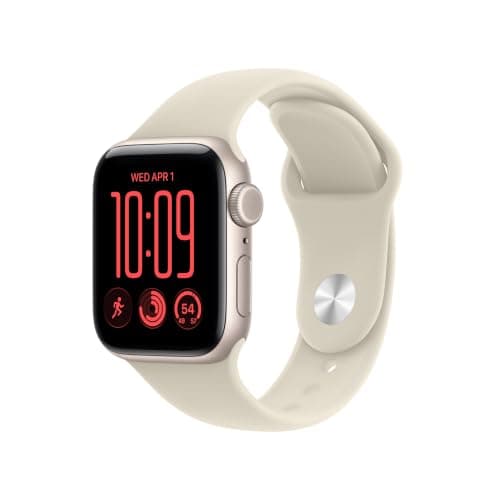
If what you actually want is to know where your child is, the lowest-ongoing-cost route is usually a cellular smartwatch on a line from your own carrier.
The reasoning is commercial rather than technical. A dedicated child tracker buys mobile data wholesale and resells it to you with a margin — that is the business. A wearable line on your existing carrier plan is often a few dollars a month with no middleman, and it buys you a device the child will actually keep on.
Check your carrier's wearable pricing before buying any tracker. It is frequently the cheapest real answer and almost nobody looks first.
Where to put a tag on a child, in order of usefulness
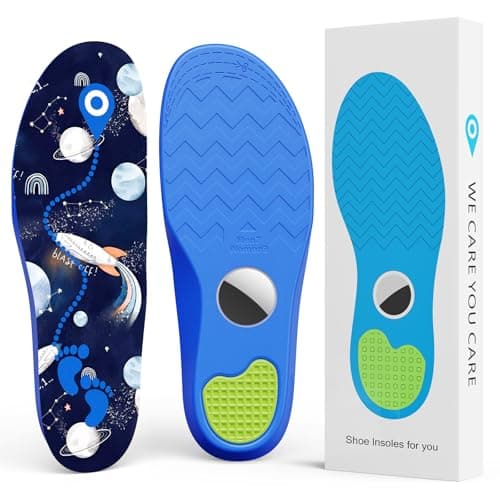
Inside a shoe. The best option, because shoes stay on. An insole holder sits under the foot and nothing about it is visible or removable in a hurry. The limitation is that it needs moving between the shoes actually being worn, which is a real daily friction.
Sewn into a coat lining. Next best. A coat is worn most of the time in most of the year, and a tag in a lining is not found by accident.
In a backpack, hidden. Not the front pocket — in the laptop sleeve, under the base panel, or sewn into the lining. A tag in an obvious pocket is a tag that gets taken out and left on a desk.
On a keyring or lanyard. Least useful, because it is the thing most likely to be put down and forgotten.
Multi-packs change the calculation
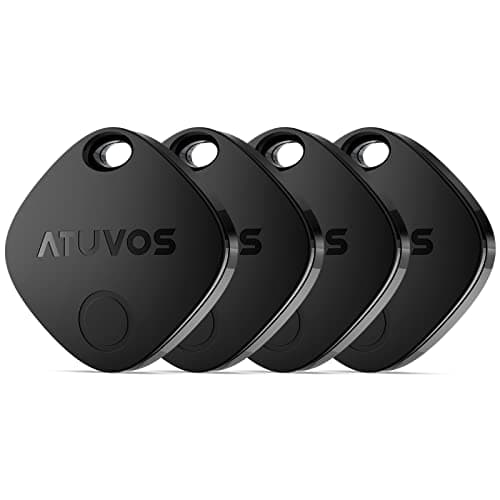
A four-pack of Find My tags costs about what one first-party tag costs, which means you can tag everything rather than choosing: school bag, sports bag, coat, instrument case. At that point you are not tracking the child, you are eliminating lost property, and over a school year that is worth more than most parents expect.
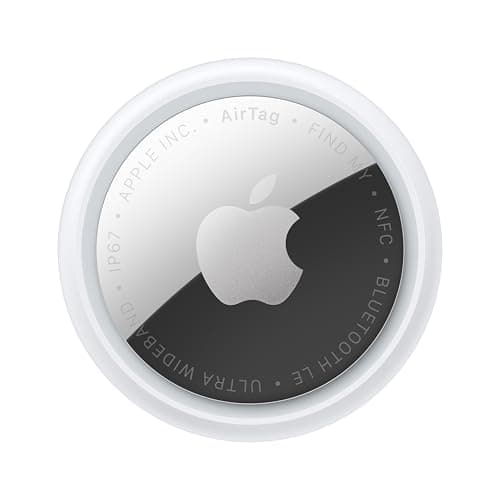
The compromise at that price is Precision Finding — only Apple's own AirTag gives the directional walk-to-it arrow on iPhone — but for a bag left in a building you only need a map pin and a ring.
The anti-stalking feature, which matters here
Both platforms now alert someone when a tracker that is not theirs has been traveling with them over time. For an older child with their own phone, that means the tag will announce itself — usually within a day, with instructions for disabling it.
This is the system working as designed: it exists to stop covert tracking of people. The practical consequence is that a hidden tag on a phone-carrying child is not hidden, so you may as well have the conversation first — which is what we would recommend anyway.
For a younger child with no phone, no alert is generated, and the tag works quietly. That does not make it a child tracker; it still only finds the bag.
What to avoid in the no-fee category
Unbranded “kids GPS tracker, no monthly fee” listings. At the bottom of this market those are cellular devices with a bundled trial, running on servers belonging to a company you cannot research — and the data being sent is a child's live location, which is not the risk profile of a trailer tracker. If you cannot find the brand's privacy policy, that is the whole review.
Also avoid treating a tag as a safety device. It is not one. If your genuine concern is a child who wanders or cannot call for help, that is a different product category entirely and it needs a cellular plan.