The whole comparison turns on one sentence, so here it is first: an AirTag tracks the object it is attached to, and a child is not attached to their backpack.
Axis 1: what is actually being tracked
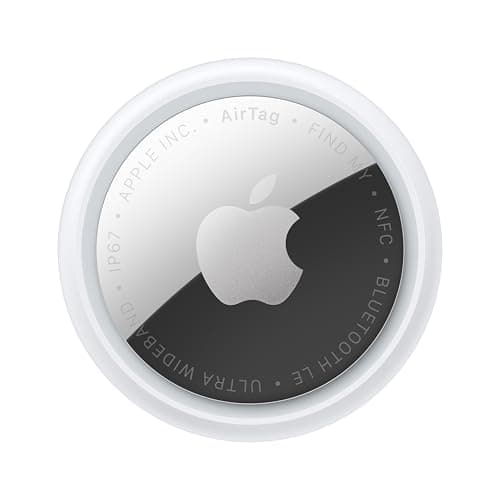
AirTag: the bag, the coat, the shoe. A child who sets the bag down is an untracked child with a well-tracked bag. The insole holder is the only placement that mostly solves this, and it needs moving between shoes.
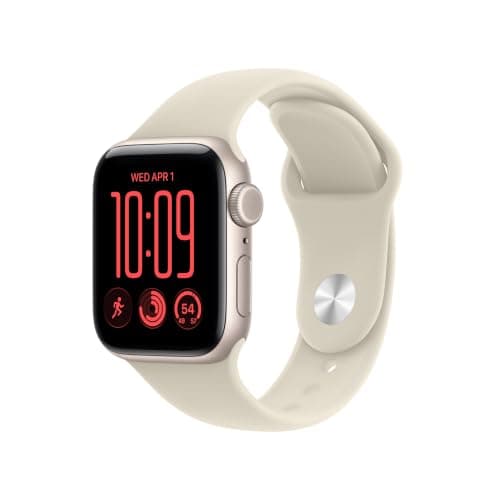
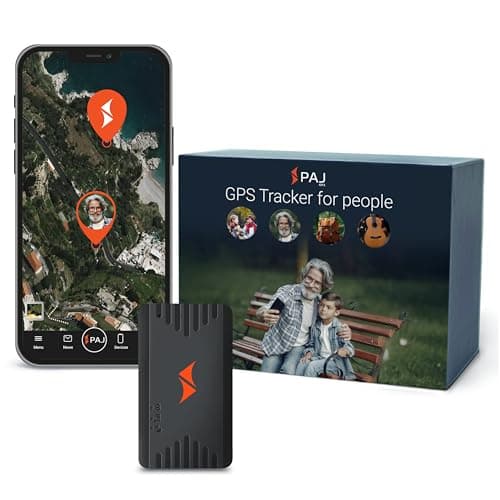
GPS tracker or watch: the person, assuming they carry it.
Axis 2: how each one gets a position
AirTag: it does not know where it is. A passing iPhone hears its Bluetooth signal and relays the position. In a school or a town, minutes-fresh. On a quiet lane, nothing.
GPS: satellite receiver plus cellular modem. Independent of bystanders, anywhere with coverage.
Axis 3: alerts
AirTag: none that are useful here. Apple's separation alerts are built for items you walk away from, not for a child leaving an area, and there is no geofence.
GPS: geofence alerts when the child arrives at or leaves school, home or anywhere you draw. For most parents this is the feature they actually wanted, and a tag cannot do it.
Axis 4: can the child call for help?
AirTag: no. It is a passive beacon with no button and no speaker.
GPS tracker or watch: yes — an SOS button, and on a watch a two-way call. That is the capability that makes this a safety device rather than a locating one.
Axis 5: cost over three years
AirTag: the tag plus about three dollars of coin cells. Roughly $30, and nothing recurring.
GPS tracker: the device plus a cellular plan. Several specialist brands do not publish a rate; AngelSense publishes a $59 activation fee and no monthly figure.
Watch: the watch plus a carrier wearable line, often a few dollars a month on an existing family plan — usually the cheapest real-time option.
Axis 6: will it be kept on?
The axis that decides it in practice and the one nobody lists.
AirTag: high adherence, because it is hidden and not the child's decision. It is just tracking the wrong thing.
Dedicated tracker: poor, for an older child. It does nothing for them and marks them out.
Watch: high, because they want it.
The recommendation
Child under about eight
Tags in the bag and the coat, honestly framed as lost-property insurance, plus the school and childcare arrangements you already rely on. A dedicated tracker on a young child is usually solving a parental anxiety rather than a logistical problem, and tags cost thirty dollars.
Child between about eight and eleven
This is where a dedicated device earns its place: too young for a phone, old enough to walk to school or to a friend's house. A cellular tracker with geofence alerts and an SOS button is the right product, and a watch is the better form factor if they will wear one.
Child over about eleven
A phone, or a watch with a carrier line. By this age a dedicated tracker will be left in a bag, and the phone they carry anyway does more. Set up location sharing with their knowledge and agree what it is for.
A child who cannot call for help
None of the above. This is a specialist category needing a tamper-resistant fastening and a fast alert path, and the wandering-risk page covers it. Do not substitute a tag.
The combination that actually makes sense
For most families with a school-age child: a watch or a phone for the child, and cheap tags in the bags. They solve different problems and the tags cost almost nothing. The watch tells you where your child is; the tags stop the sports kit being lost twice a term.
The anti-stalking notification, which applies to children too
If your child carries a phone, a hidden tag will announce itself. Both platforms alert someone when a tracker that is not theirs has been moving with them over time, with instructions for disabling it — the protection exists precisely to prevent covert tracking of people, and it does not make an exception for family.
Which is a good reason to do the obvious thing: tell them. A tag in the school bag that everybody knows about is a tag that stays in the school bag.