Buy the Pebblebee Clip 5 if you mostly lose things inside your house — Pebblebee states a 130 dB siren, which is the loudest claim of any mainstream tag and the feature that finds a set of keys under a cushion. Buy the Chipolo LOOP if the tag will get wet or lives on keys: Chipolo states IP67, a 30-minute immersion rating the Pebblebee does not match, plus a built-in keyring loop. Both work on Apple Find My or Google Find Hub, both are rechargeable with about a year per charge, and neither charges a subscription for anything.
This is the closest comparison on the site. The two brands have converged on the same good idea — a no-fee tag that works on either phone platform, chosen at setup — and the differences that remain are two published specifications and a difference in shape. There is no wrong answer here, which is worth saying plainly before the detail.
The published figures
| | Chipolo LOOP | Pebblebee Clip 5 |
|---|
| Networks | Apple Find My or Google Find Hub, chosen at setup | Apple Find My or Google Find Hub, chosen at setup |
| Battery | Rechargeable USB-C, Chipolo states about a year per charge | Rechargeable USB-C, Pebblebee states up to 12 months per charge |
| Stated alarm | About 125 dB | 130 dB |
| Water rating | IP67 — up to 30 minutes in 1 m of water | IP66 — rain-rated, not immersion-rated |
| Attachment | Built-in loop for a keyring | Clip |
| Stated Bluetooth range | Up to 120 m (400 ft) | Not stated in the same terms |
| Subscription | None | None |
A note on the alarm numbers: 125 dB and 130 dB are both manufacturer claims, measured in ways neither company fully documents, and five decibels on paper is not something you can reliably hear across a room. Treat it as a ranking rather than a measurement — Pebblebee claims the louder siren and has built its reputation on that, and if hearing the tag is your primary problem, that is the signal to follow.
IP67 versus IP66, which does matter
This is the one difference with a clear practical consequence. IP67 means a stated 30 minutes in a meter of water; IP66 means heavy spray and rain. A tag on keys goes in puddles, through laundry and occasionally into a sink, so the Chipolo's rating is the safer one for that job. A tag in a bag indoors will never notice the difference.
Privacy, which Pebblebee says out loud
Pebblebee states that it has no access to your location data — the finding happens through Apple or Google's network rather than Pebblebee's servers. That is structurally true of any Find My or Find Hub tag, and it is worth knowing that a brand that says it has built its product so it cannot see your locations is making a claim about architecture rather than policy.
Both beat the single-network tags on one axis
Flexibility. An AirTag is useless if you move to Android, and a Find Hub tag is useless if you move to an iPhone. These two let you choose, which is the right call if you are not certain what phone you will own in two years. The catch is identical on both: one network per tag, picked at setup, and switching means a reset. What each network is actually good at.
The short answer
Quick picks
Ranked by what each one costs to own for three years, not by sticker price. The plan column is the one most comparisons leave out.
| # | Product | Best for | Plan / 3 yr | Price |
|---|
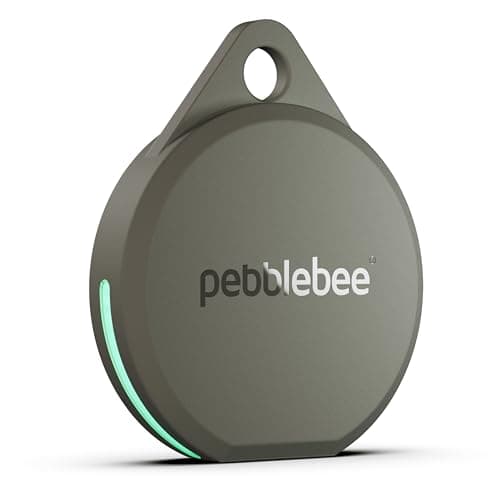
| 01 | Pebblebee Clip 5Pebblebee states a 130 dB siren and up to 12 months per charge, which makes it the one you hear through a sofa. IP66 rather than IP67, so it is rain-rated rather than dunk-rated. | Finding things inside the house | No monthly fee $0 | $34.99·Amazon |
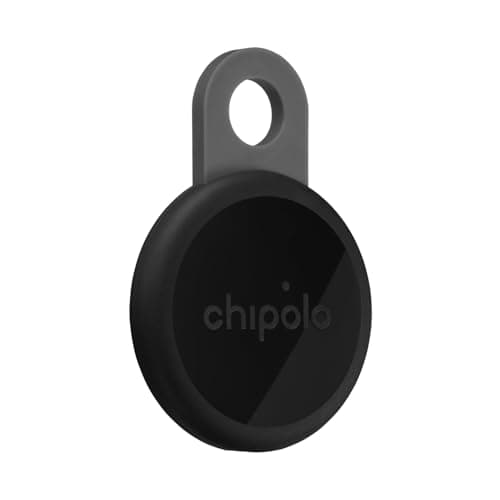
| 02 | Chipolo LOOPIP67 to a stated 30 minutes in a meter of water, about 125 dB, a stated 120 m Bluetooth range and a built-in keyring loop. The more weatherproof of the two, by a published margin. | Keys, and anything that gets wet | No monthly fee $0 | $39.00·Amazon |
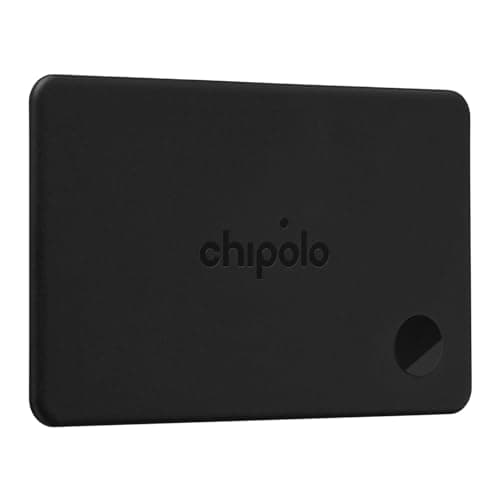
| 03 | Chipolo CARDA rechargeable dual-network card that sits in a note slot, with no fee for any feature. Quieter than a keyring tag, as every card tracker is. | A wallet you want to charge, not replace | No monthly fee $0 | $38.99·Amazon |
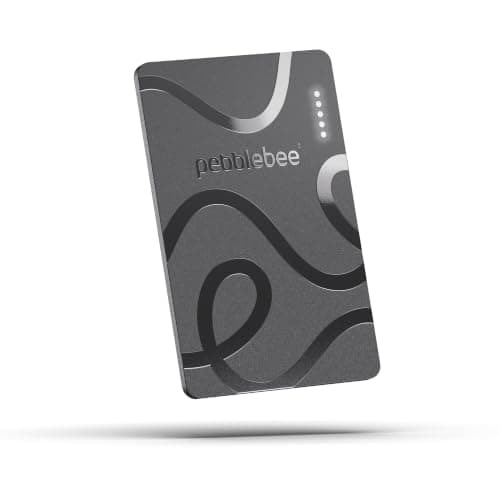
| 04 | Pebblebee Card 5Pebblebee's card is rechargeable, dual-network and thin enough for a slot, and it carries the brand's reputation for alarm volume into a form factor that usually has none. | The loudest card option | No monthly fee $0 | $39.99·Amazon |
#ad · Live prices from Amazon's product API, as of October 22, 2026. Where we have no verified live price we show none — a gap beats a number that has rotted. Plan figures are the brands' own published rates, cited in Sources below.
In detail
The picks, in full
Top pickNo monthly fee#01 · Pebblebee
Pebblebee Clip 5
Finding things inside the house
Pebblebee states a 130 dB siren and up to 12 months per charge, which makes it the one you hear through a sofa. IP66 rather than IP67, so it is rain-rated rather than dunk-rated.
The subscription reality
No subscription, now or later. The purchase price is the whole cost of ownership.
- Over three years:
- $0
Specs, as published by Pebblebee
- ·Rechargeable over USB-C; Pebblebee states up to 12 months per charge
- ·130 dB stated siren
- ·IP66 water resistance
- ·Works with Apple Find My or Google Find Hub
Good
- +130 dB stated siren is the loudest claim of any mainstream tag — it is the one you can hear through a sofa
- +No subscription
- +Dual-network, and Pebblebee states it has no access to your location data
- +12 months per charge is a real year, not a marketing year
Not so good
- −IP66 rather than IP67, so it is rain-rated rather than dunk-rated
- −Charge cable not included
- −One network per tag, chosen at setup
Skip it if
the tag will live somewhere that gets properly submerged — a dog's water bowl, a kayak — where IP67 is the floor.
No monthly fee#02 · Chipolo
Chipolo LOOP
Keys, and anything that gets wet
IP67 to a stated 30 minutes in a meter of water, about 125 dB, a stated 120 m Bluetooth range and a built-in keyring loop. The more weatherproof of the two, by a published margin.
The subscription reality
No subscription, now or later. The purchase price is the whole cost of ownership.
- Over three years:
- $0
Specs, as published by Chipolo
- ·Rechargeable over USB-C; Chipolo states about a year per charge
- ·IP67, up to 30 minutes in 1 m of water
- ·About 125 dB stated alarm
- ·Up to 120 m (400 ft) stated Bluetooth range
Good
- +Works with Apple Find My or Google Find Hub, so it is the one tag you can buy without knowing which phone you will own next
- +No subscription at all, and Chipolo's own app features are free
- +Loud — 125 dB stated is well above an AirTag
- +Built-in loop, so it goes straight on a keyring
Not so good
- −You pick one network at setup; switching later means a reset
- −Rechargeable means a dead tag is a tag you have to find a cable for, not swap a coin cell into
- −USB-C cable is not in the box
Skip it if
you would rather drop in a fresh coin cell than remember to charge a keyring once a year.
No monthly fee#03 · Chipolo
Chipolo CARD
A wallet you want to charge, not replace
A rechargeable dual-network card that sits in a note slot, with no fee for any feature. Quieter than a keyring tag, as every card tracker is.
The subscription reality
No subscription, now or later. The purchase price is the whole cost of ownership.
- Over three years:
- $0
Specs, as published by Chipolo
- ·Credit-card form factor, rechargeable
- ·Works with Apple Find My or Google Find Hub
- ·No subscription for any feature
Good
- +Actually card-shaped, so it sits in a note slot without bulging the wallet
- +Rechargeable, so no sealed two-year death date like the first wallet cards had
- +Dual-network
Not so good
- −Needs charging, and a wallet card is the easiest thing to forget to charge
- −Thicker than a real credit card
- −Alarm is quieter than a keyring tag, as every card tracker's is
Skip it if
your wallet is already tight — measure the slot before you buy any card tracker.
No monthly fee#04 · Pebblebee
Pebblebee Card 5
The loudest card option
Pebblebee's card is rechargeable, dual-network and thin enough for a slot, and it carries the brand's reputation for alarm volume into a form factor that usually has none.
The subscription reality
No subscription, now or later. The purchase price is the whole cost of ownership.
- Over three years:
- $0
Specs, as published by Pebblebee
- ·Card form factor, rechargeable over USB-C
- ·Works with Apple Find My or Google Find Hub
- ·No subscription
Good
- +Rechargeable, so it does not expire the way sealed wallet cards did
- +Dual-network
- +Thin enough for a card slot
Not so good
- −Quieter than the Clip, as all cards are
- −Needs charging
- −Costs more than a keyring tag for less alarm
Skip it if
you want one device for keys and wallet — buy the Clip and a cheap card tag rather than two cards.
Which one, by what you lose
Keys, and they get wet: Chipolo LOOP. IP67, a loop you do not have to buy a case for, and a loud enough alarm for most searching.
Things that vanish inside the house: Pebblebee Clip 5. The 130 dB claim is the loudest here and indoor searching is an audio problem, not a map problem.
A wallet: either card. Both are rechargeable and dual-network; Pebblebee carries the loudness reputation, Chipolo the slightly longer track record in card form. Both are quieter than a keyring tag because physics gives a card nowhere to put a speaker.
A dog's collar or a kayak: Chipolo, for the immersion rating — and understand that neither is a GPS tracker, so this only covers a pet that stays in sight. The tag-versus-GPS question for pets.
Rechargeable is the trade-off both share
Neither of these takes a coin cell. About a year per charge sounds like nothing to manage, and then the day comes when the tag is dead and you need a USB-C cable rather than a battery from the corner shop. If you would rather swap a cell than find a cable, the coin-cell tags are the ones to look at instead. Replaceable-battery trackers compared.
What the range figure means
Chipolo states up to 120 m, which is a line-of-sight best case with nothing between the tag and the phone. Through two internal walls you will get a fraction of it, and that is true of every Bluetooth tag regardless of brand. The number that actually decides whether you find something out in the world is the size of the crowd network behind it, not the quoted Bluetooth range. Why range figures read the way they do.
Cost of ownership
Zero recurring, on both brands, for every feature. No subscription tier exists on either platform, and the app features are included. Over three years the total cost of either is the purchase price and the electricity in a handful of recharges — which is the whole reason this site treats tags as the default and cellular trackers as the exception.
How we picked
We did not lab-test these trackers
Everyone in this category claims to have tested twenty devices. We have not tested any of them, and we say so on every page. What we did instead: read each manufacturer's published specifications and cite them with the date, find the actual subscription price and cite that too, and work out what thirty-six months of ownership costs at those published figures. Device prices come live from Amazon's API and expire after 48 hours rather than going stale. Where a figure could not be sourced to the manufacturer, the page says the spec is unconfirmed rather than borrowing it from a competitor's review. The full method is on the methodology page.
Working out what a tracker really costs? See the three-year cost of every tracker, compared.
Read next
Related
The table behind every recommendation on this site: device, plan, and what thirty-six months actually comes to.
Every no-fee tag ranked, both networks included.
The other half of this decision: a membership platform against a fee-free one.
The job most of these tags are bought for, with loudness weighted properly.
Why 120 m on the box has almost nothing to do with whether you find your keys.