These two are the cross-platform options, and they solve the problem in opposite ways. The difference is worth understanding because it determines which household each one suits.
The core difference
Tile: one network — its own — used identically on iPhone and Android, from one app and one account, simultaneously. Both people can find the same tag.
Chipolo: two networks — Apple Find My and Google Find Hub — and the tag picks one at setup. Cross-platform in the sense that it works on whichever platform you are on, not in the sense that two people on different platforms share it.
That distinction is the whole comparison. If what you need is two people on different phones finding one set of keys, only Tile does that.
Network size — Chipolo, by a long way
Tile's network is made of other Tile users and is the smallest of the major networks. Chipolo rides either Apple's Find My — the largest in the world — or Google's Find Hub, both of which dwarf Tile's.
Since the whole mechanism depends on a participating phone passing the tag, this is the single most consequential axis, and it is not close.
Loudness — Chipolo
Chipolo states about 125 dB for the LOOP. Tile markets the Pro as its loudest and it does not reach that. For things lost indoors, where the alarm does the work, this matters more than the spec sheet suggests.
Subscription — Chipolo, clearly
Chipolo has no paid tier at all. There is nothing to decline.
Tile's finding is free, but smart alerts, 30-day location history and item reimbursement sit behind Life360 memberships published at $9.99, $16.99 and $24.99 a month. At the cheapest tier that is $359.64 over three years.
Battery — different approaches
Chipolo: rechargeable over USB-C, about a year per charge for the LOOP, and the cable is not included. The CARD is also rechargeable, which means it does not expire.
Tile: the Pro and Mate have replaceable cells — CR2477 on the Pro, which is hard to find, and CR2032 on the Mate. The Slim and Sticker are sealed and expire after two or three years.
Neither approach is wrong, but Tile's sealed models are the one genuinely poor option on this page.
Form factor — both have a hole
Chipolo's LOOP has a loop; Tile's tags have a hole. Both beat the AirTag, which needs a holder. The LOOP is the slimmer of the two.
The short answer
Quick picks
Ranked by what each one costs to own for three years, not by sticker price. The plan column is the one most comparisons leave out.
| # | Product | Best for | Plan / 3 yr | Price |
|---|
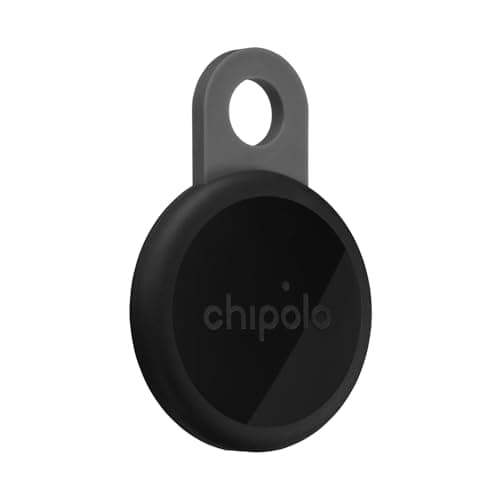
| 01 | Chipolo LOOPFind My or Find Hub at setup, a stated 125 dB, a loop built in, and no paid tier of any kind. Wins on almost every axis Tile competes on. | Best overall: bigger network, louder, no tier | No monthly fee $0 | $33.15·Amazon |
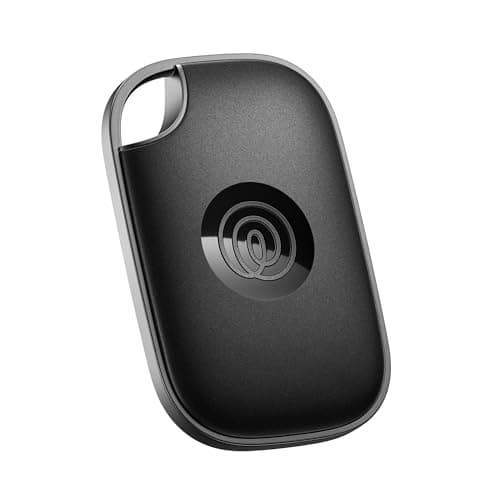
| 02 | Tile ProThe genuine capability Chipolo lacks: simultaneous iPhone and Android use from one app. The price is the smallest network and a constant upsell. | One tag, both platforms, one account | Optional plan $0, or from $9.99/mo | $34.20·Amazon |
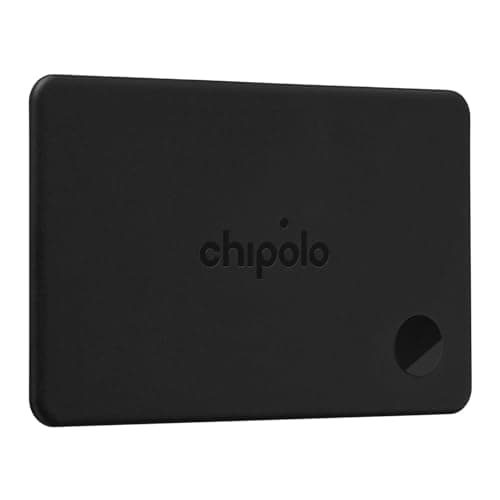
| 03 | Chipolo CARDA rechargeable card that does not expire, on either network — against the Tile Slim's sealed battery, which does. | Wallets, rechargeable | No monthly fee $0 | $33.14·Amazon |
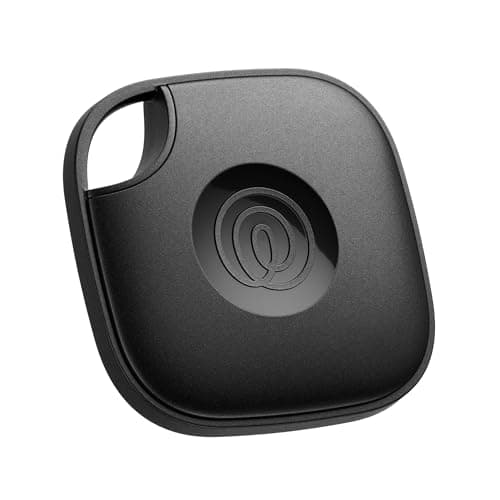
| 04 | Tile MateThe budget route onto Tile's network, and it takes the common CR2032 rather than the Pro's harder-to-find CR2477. | Cheapest Tile, CR2032 | Optional plan $0, or from $9.99/mo | $14.99·Amazon |
#ad · Live prices from Amazon's product API, as of October 8, 2026. Where we have no verified live price we show none — a gap beats a number that has rotted. Plan figures are the brands' own published rates, cited in Sources below.
In detail
The picks, in full
Top pickNo monthly fee#01 · Chipolo
Chipolo LOOP
Best overall: bigger network, louder, no tier
Find My or Find Hub at setup, a stated 125 dB, a loop built in, and no paid tier of any kind. Wins on almost every axis Tile competes on.
The subscription reality
No subscription, now or later. The purchase price is the whole cost of ownership.
- Over three years:
- $0
Specs, as published by Chipolo
- ·Rechargeable over USB-C; Chipolo states about a year per charge
- ·IP67, up to 30 minutes in 1 m of water
- ·About 125 dB stated alarm
- ·Up to 120 m (400 ft) stated Bluetooth range
Good
- +Works with Apple Find My or Google Find Hub, so it is the one tag you can buy without knowing which phone you will own next
- +No subscription at all, and Chipolo's own app features are free
- +Loud — 125 dB stated is well above an AirTag
- +Built-in loop, so it goes straight on a keyring
Not so good
- −You pick one network at setup; switching later means a reset
- −Rechargeable means a dead tag is a tag you have to find a cable for, not swap a coin cell into
- −USB-C cable is not in the box
Skip it if
you would rather drop in a fresh coin cell than remember to charge a keyring once a year.
Optional plan#02 · Life360
Tile Pro
One tag, both platforms, one account
The genuine capability Chipolo lacks: simultaneous iPhone and Android use from one app. The price is the smallest network and a constant upsell.
The subscription reality
Finding works on the free tier. Life360's paid memberships add location history, smart alerts and item reimbursement — they are optional, but they are how the brand now makes money from you.
- Published monthly:
- $9.99 (Silver), $16.99 (Gold), $24.99 (Platinum)
- Over three years:
- $0, or from $359.64 on the cheapest paid tier
Specs, as published by Life360
- ·Replaceable CR2477 coin cell
- ·Tile's longest stated Bluetooth range of the range
- ·Works on iPhone and Android from the same app
- ·Tile's loudest ring
Good
- +The one mainstream tag that works properly on both iPhone and Android with one app
- +Replaceable battery, unlike the sealed Tiles of a few years ago
- +Basic finding does not require a paid plan
Not so good
- −Tile's crowd network is far thinner than Apple's, which matters most when the item is far away
- −The useful extras — Smart Alerts, 30-day history, item reimbursement — are behind a Life360 membership
- −CR2477 is a less common battery than CR2032
Skip it if
everyone in your household has an iPhone. You would be paying for cross-platform support you will never use, on a smaller network.
No monthly fee#03 · Chipolo
Chipolo CARD
Wallets, rechargeable
A rechargeable card that does not expire, on either network — against the Tile Slim's sealed battery, which does.
The subscription reality
No subscription, now or later. The purchase price is the whole cost of ownership.
- Over three years:
- $0
Specs, as published by Chipolo
- ·Credit-card form factor, rechargeable
- ·Works with Apple Find My or Google Find Hub
- ·No subscription for any feature
Good
- +Actually card-shaped, so it sits in a note slot without bulging the wallet
- +Rechargeable, so no sealed two-year death date like the first wallet cards had
- +Dual-network
Not so good
- −Needs charging, and a wallet card is the easiest thing to forget to charge
- −Thicker than a real credit card
- −Alarm is quieter than a keyring tag, as every card tracker's is
Skip it if
your wallet is already tight — measure the slot before you buy any card tracker.
Optional plan#04 · Life360
Tile Mate
Cheapest Tile, CR2032
The budget route onto Tile's network, and it takes the common CR2032 rather than the Pro's harder-to-find CR2477.
The subscription reality
Finding works on the free tier. Life360's paid memberships add location history, smart alerts and item reimbursement — they are optional, but they are how the brand now makes money from you.
- Published monthly:
- $9.99 (Silver), $16.99 (Gold), $24.99 (Platinum)
- Over three years:
- $0, or from $359.64 on the cheapest paid tier
Specs, as published by Life360
- ·Replaceable CR2032 coin cell
- ·Shorter stated range than Tile Pro
- ·Works on iPhone and Android
Good
- +Cheapest way onto Tile's cross-platform network
- +CR2032 is a supermarket battery
- +Built-in keyring hole
Not so good
- −Shorter range and quieter ring than the Pro
- −Same thin crowd network as every Tile
- −Paid tiers dangled constantly in the app
Skip it if
the tag is for something that leaves the house often — buy the Pro for the range.
The recommendation
Buy Chipolo unless you specifically need the capability below. It has a far larger network, it is louder, it has no subscription to decline, and it does not lock you to one phone brand.
Buy Tile if two people on different phone platforms need to find the same item from their own phones. That is a real need in a lot of households — shared car keys are the classic case — and nothing else mainstream does it.
The workaround worth knowing
If the shared-keys problem is the only reason you were considering Tile, there is a cheaper and better answer: put two Chipolos on the same keyring, one paired to Find My on the iPhone and one to Find Hub on the Android phone.
It is inelegant and it works perfectly. Both people can find the keys from their own phone, both are on a major network rather than Tile's, and there is no subscription. The cost is one extra tag.
We would do this rather than buy a Tile, and almost nobody suggests it.
If you already own Tiles
Nothing has been taken away — finding still works on the free tier. Two practical notes.
Check which coin cell your tags take before you need one: CR2032 on the Mate, CR2477 on the Pro, and the latter is genuinely hard to find in a hurry. And if the Slim or Sticker is approaching three years old, expect it to simply stop — those batteries are sealed.
The Chipolo range
LOOP — the flagship. Loudest, loop built in, rechargeable, dual-network.
POP — cheaper, same dual-network support, color-coded shells that help once you own several.
CARD — the wallet version, rechargeable so it does not expire, which is its direct advantage over the Tile Slim.
Chipolo moved from the older ONE line to the rechargeable LOOP and POP, so check carefully what you are buying if you see a Chipolo ONE listed.
How we picked
We did not lab-test these trackers
Everyone in this category claims to have tested twenty devices. We have not tested any of them, and we say so on every page. What we did instead: read each manufacturer's published specifications and cite them with the date, find the actual subscription price and cite that too, and work out what thirty-six months of ownership costs at those published figures. Device prices come live from Amazon's API and expire after 48 hours rather than going stale. Where a figure could not be sourced to the manufacturer, the page says the spec is unconfirmed rather than borrowing it from a competitor's review. The full method is on the methodology page.
Working out what a tracker really costs? See the three-year cost of every tracker, compared.
Read next
Related
The table behind every recommendation on this site: device, plan, and what thirty-six months actually comes to.
The other half of the Tile question.
Precision versus platform freedom.
Full specifications and who should skip it.
Which Tile, if you have decided on Tile.