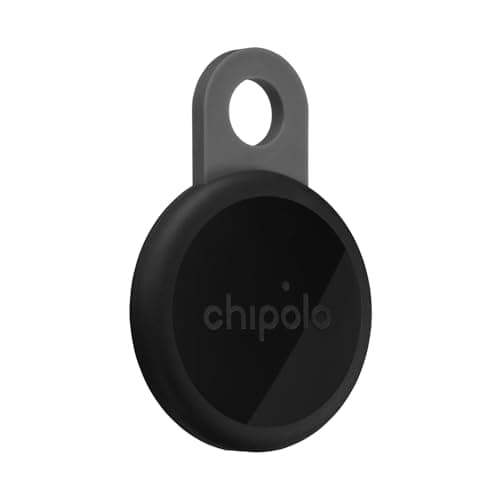
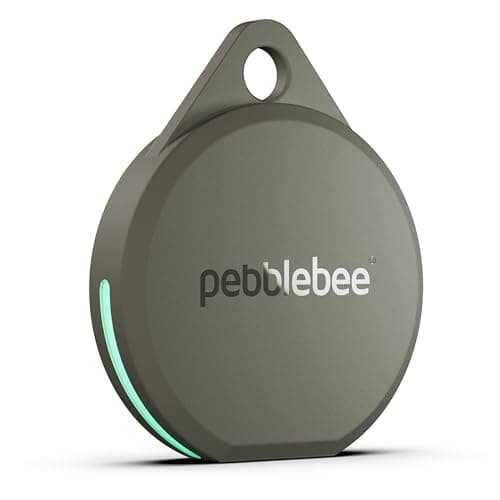
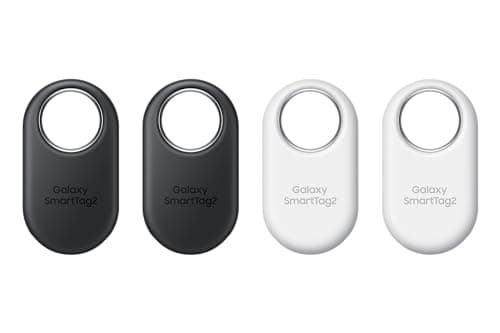
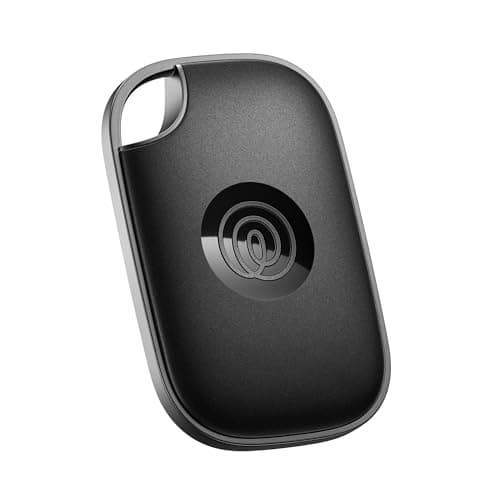
This is the easy category on this site, and it is easy for a structural reason: Bluetooth item trackers have no cellular radio, so there is no data for anyone to bill. Buy the tag, replace or recharge a battery once a year, and that is the entire cost of ownership. Anyone selling you a monthly plan for a key finder is selling you something else.
What you are actually choosing between is networks. A tag has no idea where it is — it shouts an identifier and waits for somebody's phone to hear it and report in. So the useful question is how many phones are in that network, and the answer depends on which phone you carry.
The decision tree, which is two steps long
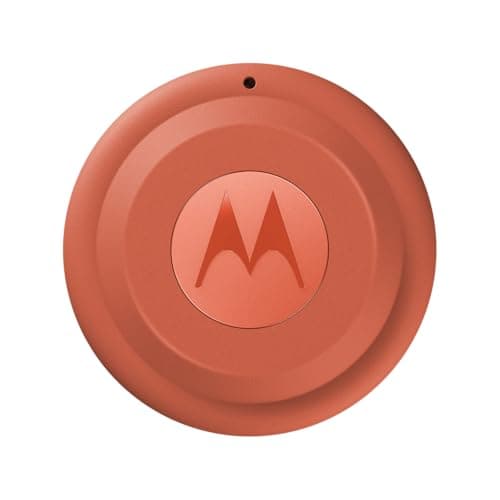
Step one: which network can your phone use? iPhone household: Find My, so an AirTag or any Find My tag. Galaxy specifically: SmartTag2, which gives you the longest battery claim here. Any other Android: Find Hub, so Chipolo, Pebblebee or a Moto Tag. A household running both and wanting one tag for everyone: Tile Pro.
Step two: how loud, and coin cell or rechargeable? If most of your losses happen inside your own home — and for keys they do — buy the loudest thing on the list. If most of your losses happen out in the world, network size matters and loudness does not.
That is genuinely the whole decision. Everything else is detail.
The underrated specification
Loudness, and almost nobody leads with it. Think about where you actually lose things: the sofa, a coat pocket, a drawer, the car. In every one of those cases the map tells you the keys are in your house, which you knew. The alarm is what finds them.
Pebblebee states 130 dB for the Clip 5 and Chipolo states about 125 dB for the LOOP, both comfortably above an AirTag. You can hear either through a sofa cushion from the next room.
How the four networks actually compare
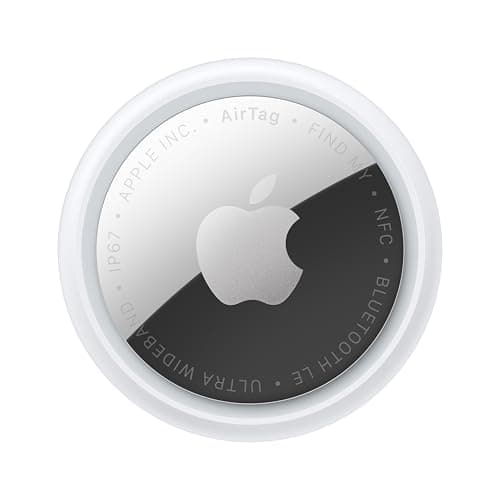
Apple Find My is the largest, assembled from essentially every iPhone in existence. Setup and use require an iPhone — an Android phone can read a found AirTag over NFC, but that is the anti-stalking mechanism rather than a feature. Apple's own AirTag additionally gets Ultra Wideband Precision Finding.
Google Find Hub is the Android equivalent, newer and smaller, and open to third parties — Chipolo, Pebblebee and Motorola all make Find Hub tags. For a non-Samsung Android user it is by a wide margin the largest network available.
Samsung SmartThings Find includes Galaxy devices only. Smaller in principle than Find Hub, still very large, and on a Galaxy it comes with UWB precision Find Hub tags generally do not match. The catch: Samsung states the SmartTag2 needs a Galaxy phone or tablet on Android 9 or later. A Pixel will not pair one.
Tile's own network is made of other Tile users and is the smallest of the four. Its real compensating advantage: it is the only mainstream tag that works identically on iPhone and Android from a single app and account.
Battery: two different failure modes
Replaceable coin cell. Apple states more than a year for an AirTag's CR2032; Samsung states up to 500 days for the SmartTag2. When it dies you walk to a shop. The AirTag and SmartTag2 take CR2032, which is in every supermarket; the Tile Pro takes CR2477, which is not.
Rechargeable. Chipolo states about a year per charge for the LOOP; Pebblebee states up to 12 months per USB-C charge for the Clip 5. Tidier, no drawer of dead cells, and the failure mode is needing a cable at an inconvenient moment.
Neither is wrong. Pick the failure you would rather have.
A warning that has nothing to do with tracking
Coin cells cause severe internal injuries, quickly, if a small child swallows one. If there are toddlers in the house, store spares locked away and treat a tag with a loose battery door as a thing to fix today rather than this weekend. Rechargeable tags avoid the issue entirely, which is a genuine reason to prefer them in a house with young children.
The AirTag's one real flaw
It has no hole. Apple sells a leather loop for most of the price of another AirTag; a three-dollar plastic shell does the same job and is what most people end up with.
If that irritates you, Chipolo's LOOP and Samsung's SmartTag2 both have a hole built in and you can stop thinking about holders.
What to buy if you are tagging several things
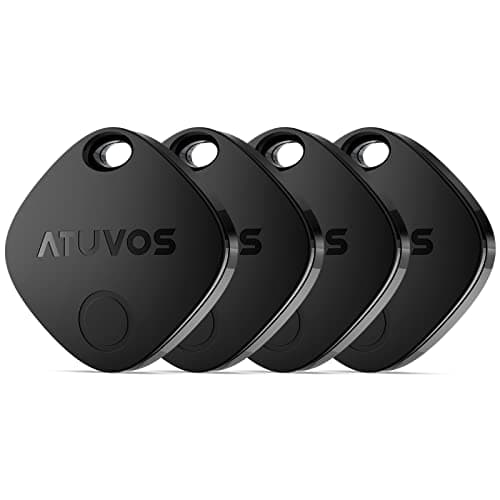
The arrangement that works: one good tag for the item you lose most, and a cheap multi-pack for everything else. That gets you the loud alarm and the directional arrow where they earn their place, and coverage across the suitcase, the tool bag, the spare keys and the bike for the price of one more good tag.