AngelSense is built around one thing no general-purpose tracker does: a wearer who cannot call for help. The assistive speakerphone, the live listening and the tamper-resistant fastening exist for a non-verbal child or an adult with dementia, and if that is your situation none of the alternatives below replaces it feature for feature. People go looking anyway, and the reason shows up in the search box itself — the same drop-down that suggests “angelsense alternative” also suggests “angelsense cost” and “angelsense monthly fee”.
So this page is organized by which part of AngelSense you actually need to keep, because most families need one of its three ideas rather than all of them.
The pricing fact, stated plainly
AngelSense's own pricing page explains its plans without printing a monthly rate on it, and it states a $59 activation fee on the month-to-month option. That is a fact we can source rather than a criticism: plenty of companies in this market quote at checkout, and the Amazon bundle includes a year of service, so there is a route to a known first-year number.
It matters here because this site's whole method is to add thirty-six months of plan to the device price before comparing anything, and a rate you cannot read before buying makes that arithmetic impossible to do in advance. Three of the alternatives below have the same problem and this page says so each time. Two do not have a tracker plan at all.
Which feature are you keeping?
The two-way speakerphone. This is the hardest feature to replace and the one that justifies the category existing. A device that lets you speak to a frightened person who cannot operate a phone is not a tracking feature, it is a care feature. The SureSafe is the nearest thing here — it calls family directly rather than a monitoring desk — and a cellular Apple Watch with Family Setup does it properly if the wearer can manage a watch.
The tamper-proof fastening. The commonest failure mode in this whole category is a device that comes off, either because the wearer removes it or because it was never comfortable. AngelSense solves it with a fastening a child cannot undo. The cheap version of the same insight is to put the device somewhere the wearer does not think about: an insole in the shoe, sewn into a bag lining, or inside a backpack rather than on it.
A live position and an SOS button. This is what most families actually need, and it is the cheapest part. A 4G device with an SOS button and geofence alerts costs a fraction of a specialist platform, and the difference in the monthly bill over three years is usually larger than the difference in the hardware.
Who should not switch
If the wearer is non-verbal, if they have left the property before, and if you need to be able to speak to them and to hear what is happening around them, stay where you are. The money buys a product designed around that scenario, and assembling an equivalent from a pendant plus a tag plus a geofence app is how families end up with three things that each half-work.
The honest switch cases are narrower and more common: the wearer is verbal and cooperative, the risk is getting lost on a familiar route rather than absconding, or the person being tracked is an older adult who would accept a watch and would refuse anything that looks like a monitoring device. Our page on dementia and wandering works through the behavior before the hardware, which is the right order.
The short answer
Quick picks
Ranked by what each one costs to own for three years, not by sticker price. The plan column is the one most comparisons leave out.
| # | Product | Best for | Plan / 3 yr | Price |
|---|
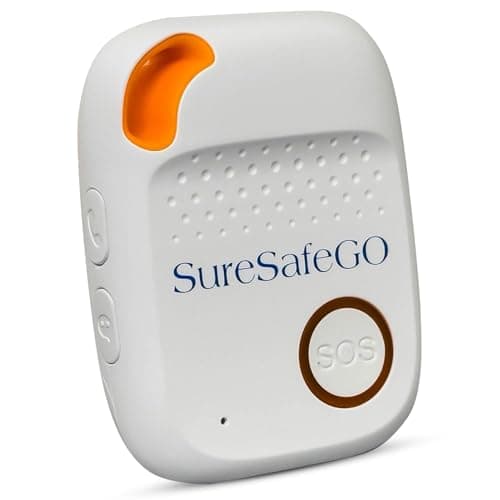
| 01 | SureSafe dementia GPS trackerThe closest thing here to what AngelSense is for, aimed at the dementia end of the same problem. It is a wearable with an SOS button that calls a list of family numbers directly rather than routing through a paid monitoring center, which removes a whole subscription from the picture — the SIM still needs a plan, but nobody is billing you to sit beside a phone. The two honest limits: the device is expensive by the standards of this page, and this model has no fall detection, so if a fall rather than a wander is the thing you are afraid of, this is not the product. | Best overall alternative: wandering risk, without a monitoring contract | Plan required Plan required | $149.92·Amazon |
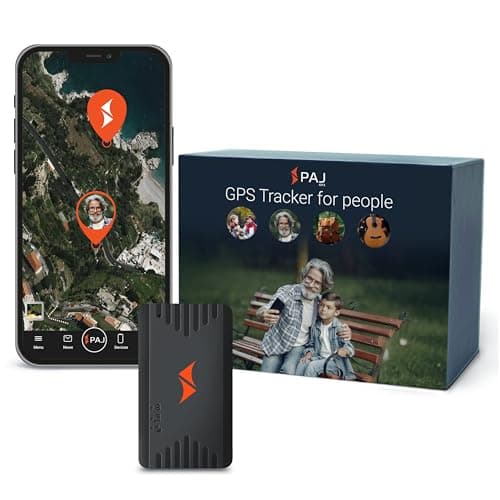
| 02 | PAJ 4G tracker for kids and seniorsThe cheapest honest route to the core of what AngelSense does — a 4G device with an SOS button and geofence alerts, small enough to live in a pocket or on a lanyard. For a family that has looked at AngelSense's bundle price and flinched, this is the device that proves most of the function is not where the money goes. Two caveats to settle before you buy. PAJ does not publish its plan rate on a static page we can cite, so ask at checkout and multiply by thirty-six. And the battery is short-lived, which means somebody has to own the job of charging it nightly. | Budget pick: a real SOS button for a fraction of the hardware price | Plan required Plan required | $21.99·Amazon |
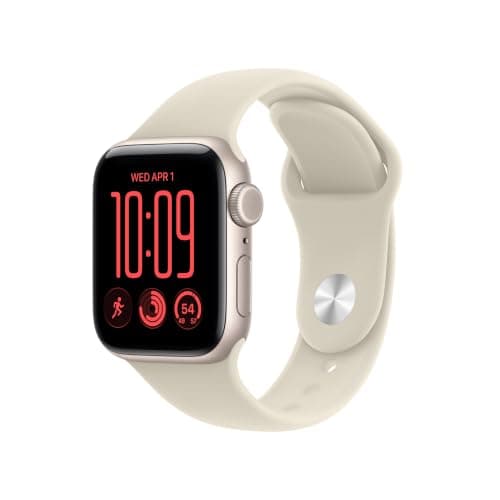
| 03 | Apple Watch SE 3 (GPS + Cellular)Worth considering seriously, because the hardest part of this problem is not technology — it is whether the person wears the thing. With Family Setup the cellular watch works without the wearer owning an iPhone, and it brings calls and messages to approved contacts, location sharing, fall detection and Emergency SOS in an object that reads as a watch rather than a monitoring device. That dignity point matters for an adult. Be clear about the cost shape: it needs its own carrier line, which is a monthly bill from the carrier, it is the most expensive device here, and a watch can be taken off. | A wearer who will keep a watch on but not a tracker | Plan required Carrier line | $229.00·Amazon |
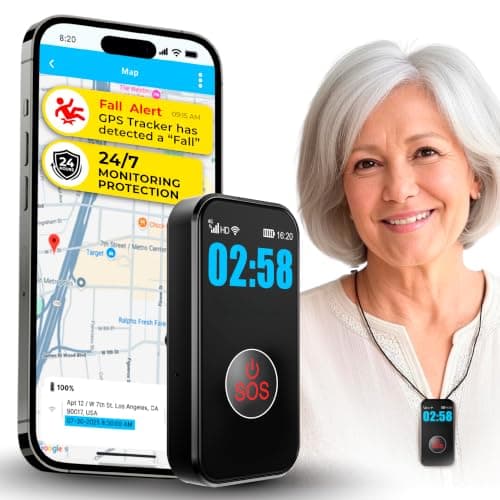
| 04 | SecuLife medical alert pendantSome families arrive at AngelSense having decided they want a panic button and ended up looking at a tracking platform. If that is the shape of it, buy the pendant: an SOS button that alerts family directly, over cellular, so it works away from the house in a way a home-base medical alarm does not. It is light enough to be worn all day, which is most of the battle. What it does not do is fall detection, and the whole model depends on somebody in the family answering — a pendant that calls an unanswered phone is not a safety net. | If what you actually need is an alarm, not tracking | Plan required Plan required | $68.99·Amazon |
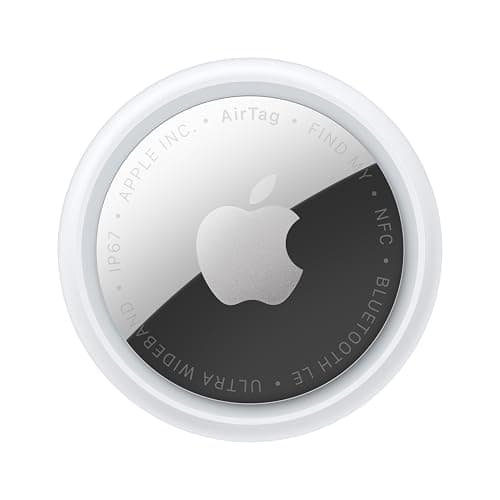
| 05 | Apple AirTag (2nd generation)Worth weighing honestly before committing to a monthly bill, because the two situations are different. A crowd-network tag has no GPS and no SIM — it reports when somebody else's iPhone passes within Bluetooth range — and Apple has never charged for the network. In a populated street or a care home that is usually enough to answer "which direction did they go", at a cost of a coin cell a year. It is emphatically the wrong product for a person at genuine risk of leaving the area, because it reports where they were, not where they are, and never from somewhere with no people in it. | If the risk is being lost nearby rather than wandering far | No monthly fee $0 + batteries | $18.00·Amazon |
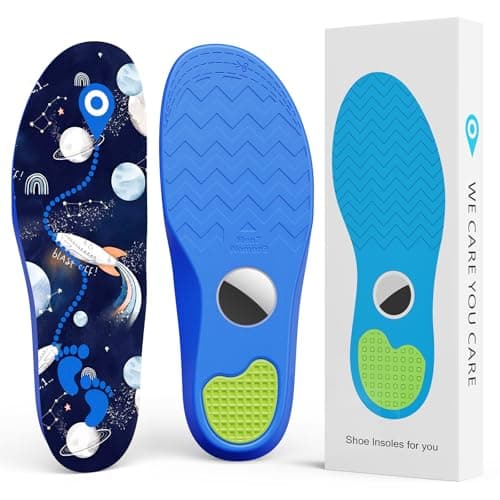
| 06 | Hidden AirTag insole holderAngelSense's tamper-proof fastening exists because the single biggest failure in this category is a device the wearer removes. This is the cheap version of the same idea: a trimmable insole with a concealed pocket, so the tag is in the shoe rather than on a wrist or a lanyard, and a person who is going out of the house is wearing shoes. It costs almost nothing. Two limits to be clear about — it is a Bluetooth tag, with everything that implies about where it does and does not report, and it has to be moved between the shoes actually being worn. | The tamper-proof problem, solved cheaply | No monthly fee $0 | $12.79·Amazon |
#ad · Live prices from Amazon's product API, as of November 28, 2026. Where we have no verified live price we show none — a gap beats a number that has rotted. Plan figures are the brands' own published rates, cited in Sources below.
In detail
The picks, in full
Top pickPlan required#01 · SureSafe
SureSafe dementia GPS tracker
Best overall alternative: wandering risk, without a monitoring contract
The closest thing here to what AngelSense is for, aimed at the dementia end of the same problem. It is a wearable with an SOS button that calls a list of family numbers directly rather than routing through a paid monitoring center, which removes a whole subscription from the picture — the SIM still needs a plan, but nobody is billing you to sit beside a phone. The two honest limits: the device is expensive by the standards of this page, and this model has no fall detection, so if a fall rather than a wander is the thing you are afraid of, this is not the product.
The subscription reality
A cellular tracker needs a data plan to report its position. This brand does not publish a plan rate we can cite, so treat the device price as a deposit rather than the cost.
Specs, as published by SureSafe
- ·Calls a list of family contacts directly rather than a monitoring center
- ·Designed for wandering risk in dementia
- ·Wearable with an SOS button
Good
- +Calling family directly avoids a monitoring-center subscription
- +Built for the dementia use case specifically
- +Simple for the wearer: one button
Not so good
- −Cellular plan still required
- −Expensive device
- −No fall detection on this model
Skip it if
nobody in the family can reliably answer. A device that calls an unanswered phone is not a safety net.
Plan required#02 · PAJ GPS
PAJ 4G tracker for kids and seniors
Budget pick: a real SOS button for a fraction of the hardware price
The cheapest honest route to the core of what AngelSense does — a 4G device with an SOS button and geofence alerts, small enough to live in a pocket or on a lanyard. For a family that has looked at AngelSense's bundle price and flinched, this is the device that proves most of the function is not where the money goes. Two caveats to settle before you buy. PAJ does not publish its plan rate on a static page we can cite, so ask at checkout and multiply by thirty-six. And the battery is short-lived, which means somebody has to own the job of charging it nightly.
The subscription reality
A cellular tracker needs a data plan to report its position. This brand does not publish a plan rate we can cite, so treat the device price as a deposit rather than the cost.
Specs, as published by PAJ GPS
- ·4G cellular with an SOS button
- ·Geofence alerts
- ·Pocket or lanyard sized
Good
- +Cheap device with a real SOS button
- +Geofencing included
- +Simple app
Not so good
- −Plan required
- −Plan rate not published statically
- −Short battery life
Skip it if
the wearer will not carry it. A device in a drawer protects nobody.
Plan required#03 · Apple
Apple Watch SE 3 (GPS + Cellular)
A wearer who will keep a watch on but not a tracker
Worth considering seriously, because the hardest part of this problem is not technology — it is whether the person wears the thing. With Family Setup the cellular watch works without the wearer owning an iPhone, and it brings calls and messages to approved contacts, location sharing, fall detection and Emergency SOS in an object that reads as a watch rather than a monitoring device. That dignity point matters for an adult. Be clear about the cost shape: it needs its own carrier line, which is a monthly bill from the carrier, it is the most expensive device here, and a watch can be taken off.
The subscription reality
The watch needs its own cellular line from your carrier to work away from the phone, which is a monthly cost from the carrier rather than from Apple. Pricing varies by carrier, so we are not printing a figure.
Specs, as published by Apple
- ·Full smartwatch with Family Setup, so it works without the child owning an iPhone
- ·Location sharing, calls and messages to approved contacts
- ·Fall detection and Emergency SOS
Good
- +It is a watch a kid will actually keep on, which no dedicated tracker manages
- +Fall detection and SOS are real safety features, not marketing ones
- +No tracker-company subscription — the cost is a carrier line you may already be able to add cheaply
Not so good
- −Needs a cellular line from your carrier
- −Expensive
- −A child can take a watch off; a tracker sewn into a bag cannot be
Skip it if
the wearer cannot be trusted to keep it on and charged — a dedicated tamper-proof tracker is the right call then.
Plan required#04 · SecuLife
SecuLife medical alert pendant
If what you actually need is an alarm, not tracking
Some families arrive at AngelSense having decided they want a panic button and ended up looking at a tracking platform. If that is the shape of it, buy the pendant: an SOS button that alerts family directly, over cellular, so it works away from the house in a way a home-base medical alarm does not. It is light enough to be worn all day, which is most of the battle. What it does not do is fall detection, and the whole model depends on somebody in the family answering — a pendant that calls an unanswered phone is not a safety net.
The subscription reality
A cellular tracker needs a data plan to report its position. This brand does not publish a plan rate we can cite, so treat the device price as a deposit rather than the cost.
Specs, as published by SecuLife
- ·Pendant with an SOS button that alerts family directly
- ·Cellular, works away from home
- ·No monitoring-center contract
Good
- +Alerts go to family, not a paid monitoring center
- +Works outside the house, unlike home-base alarms
- +Light to wear
Not so good
- −Cellular plan required
- −No fall detection
- −Depends on family answering
Skip it if
you need professional 24/7 monitoring — that is a different product with a real contract.
No monthly fee#05 · Apple
Apple AirTag (2nd generation)
If the risk is being lost nearby rather than wandering far
Worth weighing honestly before committing to a monthly bill, because the two situations are different. A crowd-network tag has no GPS and no SIM — it reports when somebody else's iPhone passes within Bluetooth range — and Apple has never charged for the network. In a populated street or a care home that is usually enough to answer "which direction did they go", at a cost of a coin cell a year. It is emphatically the wrong product for a person at genuine risk of leaving the area, because it reports where they were, not where they are, and never from somewhere with no people in it.
The subscription reality
No subscription. The only recurring cost is a CR2032 roughly once a year, which is pennies.
- Over three years:
- about $3 in coin cells
Specs, as published by Apple
- ·User-replaceable CR2032 coin cell; Apple states it runs more than a year
- ·IP67 (1 m for up to 30 minutes, IEC 60529)
- ·Ultra Wideband Precision Finding, 1.5x the range of the first generation
- ·Speaker 50% louder than the first generation
Good
- +No subscription, and Apple has never charged one
- +The Find My network is the largest crowd network in the world, so a lost AirTag in a populated area usually reports within minutes
- +Precision Finding walks you to it by distance and direction, not just a map pin
- +Battery is a coin cell from any supermarket, not a sealed pack
Not so good
- −iPhone only for setup and full use — there is no Android app
- −It has no GPS of its own: it reports when an Apple device walks past it, so it is a finder, not a tracker
- −No keyring hole, so you are buying a holder as well
Skip it if
you are on Android, or you need to watch something move in real time — an AirTag only knows where it was when someone last walked past it.
No monthly fee#06 · Generic
Hidden AirTag insole holder
The tamper-proof problem, solved cheaply
AngelSense's tamper-proof fastening exists because the single biggest failure in this category is a device the wearer removes. This is the cheap version of the same idea: a trimmable insole with a concealed pocket, so the tag is in the shoe rather than on a wrist or a lanyard, and a person who is going out of the house is wearing shoes. It costs almost nothing. Two limits to be clear about — it is a Bluetooth tag, with everything that implies about where it does and does not report, and it has to be moved between the shoes actually being worn.
The subscription reality
No subscription, now or later. The purchase price is the whole cost of ownership.
- Over three years:
- $0
Specs, as published by Generic
- ·Insole with a concealed tag pocket
- ·Trimmable to shoe size
- ·Holds one tag
Good
- +A tag in a shoe cannot be left behind the way a pendant can
- +Cheap
- +No fee
Not so good
- −Bluetooth only, so this is a finder and not a live tracker
- −Needs to be moved between the shoes actually being worn
- −Comfort varies
Skip it if
the wearer is at genuine risk of wandering. For that, a cellular device with an SOS button is the right category, not a tag in a shoe.
Before you compare devices, answer three questions
Will the wearer keep it on? Everything else is downstream of this. A device in a drawer protects nobody, and no specification sheet tells you the answer. For a child, something fixed to clothing or a bag wins. For an adult who values independence, a watch or a pendant will be accepted where a labeled tracker will not.
How far could they get? If the realistic worst case is three streets in a populated neighborhood, a crowd-network tag covers it for a coin cell a year. If the realistic worst case is a bus, a car or open country, you need cellular with a plan and there is no way around the monthly bill.
Who answers the call? Every SOS product on this page routes to family rather than a monitoring center, which is how they avoid a second subscription. That is only a saving if somebody reliably picks up. If nobody can, professional monitoring is a different product with a real contract and it is the right purchase.
Costing these properly
Multiply the monthly plan by thirty-six and add the device. That single habit reorders this shortlist more than any feature comparison, because the cheap devices here mostly carry plans and the expensive ones sometimes do not. Where a brand does not publish a rate — PAJ, SecuLife, SureSafe and AngelSense itself — get the number at checkout before you commit, and treat the absence of a printed price as a thing to ask about rather than a red flag.
The Apple Watch is the odd one out and worth understanding: there is no tracker-company subscription at all, but the watch needs its own line on your mobile account for it to work away from the phone, which is a carrier cost that varies too much for us to quote. The three-year cost table sets out how every plan on this site compares once you do the multiplication.
The no-monthly-fee route, and its limits
Two picks above have no tracker plan whatsoever, and both are Bluetooth. That is not a loophole, it is a different technology with a different failure mode: a tag reports when a stranger's phone passes it, so it is excellent in a town and useless on a quiet road. For a wearer whose risk is genuinely confined to a populated area, it is a legitimate answer and it costs about a dollar a year to run. The full no-fee options for an older adult goes through where that argument holds and where it breaks.
Nearby pages, if this is not quite your question
If the wearer is a child with autism rather than an older adult, the autism-specific ranking covers the fastening and sensory issues this page only touches. If you want the AngelSense device itself assessed rather than replaced, our AngelSense review does that, including what the Amazon bundle includes and what years two and three look like.
In short
Our recommendation
Top pickPlan required
SureSafe dementia GPS tracker
Best overall alternative: wandering risk, without a monitoring contract
The closest thing here to what AngelSense is for, aimed at the dementia end of the same problem.
Runner-upPlan required
PAJ 4G tracker for kids and seniors
Budget pick: a real SOS button for a fraction of the hardware price
The cheapest honest route to the core of what AngelSense does — a 4G device with an SOS button and geofence alerts, small enough to live in a pocket or on a lanyard.
Still deciding on the running cost rather than the device? Every tracker subscription, costed over three years.
How we picked
Researched from published specs and real plan prices
Every pick here is researched from the manufacturer's published specifications, each one cited with the date it was read, and from the brand's own published subscription rate — then costed out over thirty-six months so you can see what the device really comes to. Device prices come live from Amazon's API and expire after 48 hours, so the number you see is current. Where a figure is not published by the manufacturer, the page says the spec is unconfirmed rather than borrowing it from a competitor's review. The full method is on the methodology page.
Working out what a tracker really costs? See the three-year cost of every tracker, compared.
Read next
Related
The table behind every recommendation on this site: device, plan, and what thirty-six months actually comes to.
The device itself assessed, including what the Amazon bundle covers and what it does not.
The behavior first, the hardware second — which is the order that actually works.
Where the no-subscription argument holds for an older adult, and where it breaks.
Fastening, sensory tolerance and school-day routines, for a younger wearer.
Four questions that eliminate most of the market before you look at a single specification.
Brands: want your product tested? For Brands.