If the child cannot reliably call for help, the right category is a purpose-built tracker with a tamper-proof fastening and two-way audio, and AngelSense is the device built for exactly that. If the child is older and will keep a watch on, an Apple Watch with Family Setup is often the better real-world answer because it gets worn. If the problem is that any device gets removed, a tag hidden in an insole is the one thing that stays put — with the serious caveat that it is a finder, not a tracker.
This page is written for a parent or carer, so it starts somewhere other than the spec sheet. Two questions decide it, and neither appears on a box.
Question one: can the wearer call for help?
If yes, almost any option works and the decision becomes a normal one about cost and comfort — a watch or a phone with location sharing does most of it, and the subscription question is the usual one.
If no, the device has to do more than report a position. It has to be reachable, it has to stay attached, and somebody has to be able to talk through it to the person who found the child. That is a small, specialized category, and AngelSense is the device that exists for it: a tamper-resistant fastening the wearer cannot remove, live location, and an assistive speakerphone.
Question two: will it still be on them?
A tracker in a drawer protects nobody, and this is where most purchases in this category fail. A wearable that is uncomfortable, noisy, visibly different from what other children wear, or simply unfamiliar may come off within a day. The options that survive are the ones that fit into something already accepted: a watch the child wanted anyway, a tag sewn into the lining of a bag they always carry, an insole inside the shoes they already wear.
Sensory tolerance is individual and nobody can predict it from a product page, including us. It is worth planning for one failed attempt and treating the first device as an experiment.
What each technology can and cannot do
Cellular, with SOS. Live position anywhere with coverage, plus a button and usually voice. The only category that answers “where are they right now”. It needs a plan, because there is a SIM inside and somebody has to pay the carrier.
A smartwatch on a carrier line. Same capability, in a form a child may actually accept, with Emergency SOS and fall detection included. The recurring cost is a carrier line rather than a tracker company's subscription — often cheaper, and sometimes already available on a family plan.
A Bluetooth tag. No fee and no live tracking. It reports where the child was when somebody else's phone passed them. For a child at genuine risk of wandering, that is not the right primary device, and we would rather say so than sell the cheaper option. The tag-versus-tracker comparison for children.
The short answer
Quick picks
Ranked by what each one costs to own for three years, not by sticker price. The plan column is the one most comparisons leave out.
| # | Product | Best for | Plan / 3 yr | Price |
|---|
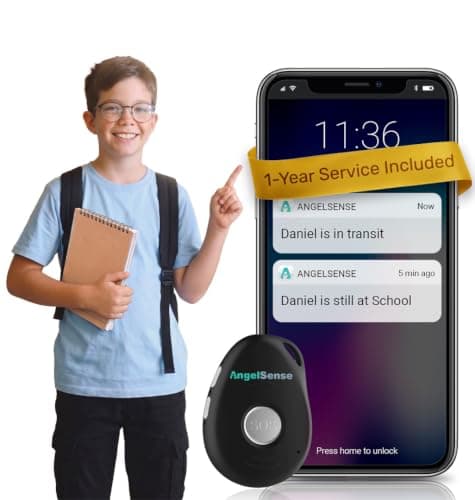
| 01 | AngelSense GPS trackerThe only device here designed around a wearer who cannot phone anyone: tamper-proof fastening, live location, and an assistive speakerphone. AngelSense does not publish its monthly rate. | A child who cannot call for help | Bundled, then paid Yr 1 bundled | $629.00·Amazon |
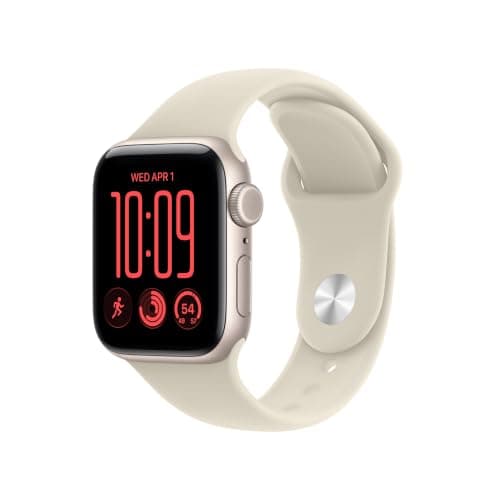
| 02 | Apple Watch SE 3 (GPS + Cellular)Family Setup means the child needs no iPhone of their own, and location, calls, Emergency SOS and fall detection are built in. The cost is a carrier line, not a tracker subscription. | An older child who will keep it on | Plan required Carrier line | $269.00·Amazon |
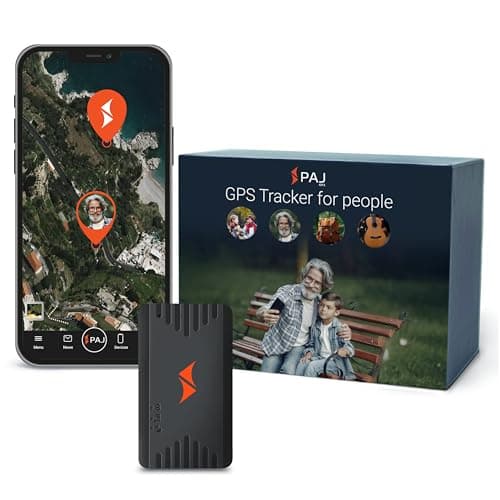
| 03 | PAJ 4G tracker for kids and seniorsAn inexpensive 4G unit with a real SOS button and geofence alerts, for a pocket or a lanyard. Confirm the plan price before you buy — PAJ does not publish one we can cite. | A budget SOS device | Plan required Plan required | $29.99·Amazon |
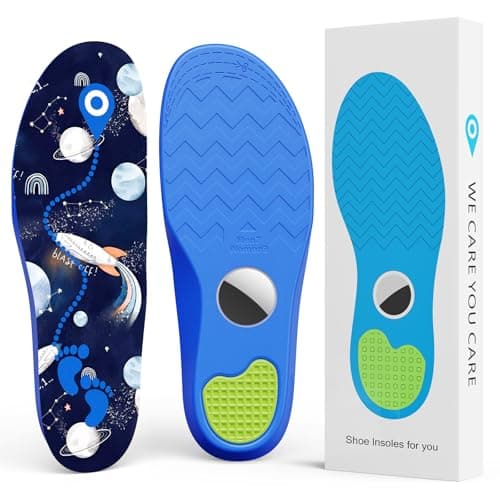
| 04 | Hidden AirTag insole holderA tag hidden in a trimmable insole. It is a Bluetooth finder rather than a live tracker, and that limit matters enormously here — but it cannot be removed and left behind. | Something that cannot be taken off | No monthly fee $0 | $15.99·Amazon |
#ad · Live prices from Amazon's product API, as of October 11, 2026. Where we have no verified live price we show none — a gap beats a number that has rotted. Plan figures are the brands' own published rates, cited in Sources below.
In detail
The picks, in full
Top pickBundled, then paid#01 · AngelSense
AngelSense GPS tracker
A child who cannot call for help
The only device here designed around a wearer who cannot phone anyone: tamper-proof fastening, live location, and an assistive speakerphone. AngelSense does not publish its monthly rate.
The subscription reality
The Amazon bundle includes one year of service; years two and three are billed by AngelSense. AngelSense does not publish its monthly rate on its pricing page — you have to request it — and the month-to-month option carries a $59 activation fee. We will not print a monthly figure we cannot cite.
Specs, as published by AngelSense
- ·Purpose-built for non-verbal children and adults with autism or dementia
- ·Amazon bundle includes one year of service
- ·Assistive speakerphone and a tamper-proof fastening
Good
- +The only device here designed around a wearer who cannot call for help
- +Tamper-resistant fastening that a child cannot remove
- +Live listening and speakerphone are genuinely differentiating for this use
Not so good
- −AngelSense does not publish its monthly rate on its own pricing page — you have to ask
- −A $59 activation fee applies on the month-to-month plan
- −Expensive bundle, and years two and three are billed separately
Skip it if
the wearer can use a phone. A phone with location sharing does most of this for nothing.
Plan required#02 · Apple
Apple Watch SE 3 (GPS + Cellular)
An older child who will keep it on
Family Setup means the child needs no iPhone of their own, and location, calls, Emergency SOS and fall detection are built in. The cost is a carrier line, not a tracker subscription.
The subscription reality
The watch needs its own cellular line from your carrier to work away from the phone, which is a monthly cost from the carrier rather than from Apple. Pricing varies by carrier, so we are not printing a figure.
Specs, as published by Apple
- ·Full smartwatch with Family Setup, so it works without the child owning an iPhone
- ·Location sharing, calls and messages to approved contacts
- ·Fall detection and Emergency SOS
Good
- +It is a watch a kid will actually keep on, which no dedicated tracker manages
- +Fall detection and SOS are real safety features, not marketing ones
- +No tracker-company subscription — the cost is a carrier line you may already be able to add cheaply
Not so good
- −Needs a cellular line from your carrier
- −Expensive
- −A child can take a watch off; a tracker sewn into a bag cannot be
Skip it if
the wearer cannot be trusted to keep it on and charged — a dedicated tamper-proof tracker is the right call then.
Plan required#03 · PAJ GPS
PAJ 4G tracker for kids and seniors
A budget SOS device
An inexpensive 4G unit with a real SOS button and geofence alerts, for a pocket or a lanyard. Confirm the plan price before you buy — PAJ does not publish one we can cite.
The subscription reality
A cellular tracker needs a data plan to report its position. This brand does not publish a plan rate we can cite, so treat the device price as a deposit rather than the cost.
Specs, as published by PAJ GPS
- ·4G cellular with an SOS button
- ·Geofence alerts
- ·Pocket or lanyard sized
Good
- +Cheap device with a real SOS button
- +Geofencing included
- +Simple app
Not so good
- −Plan required
- −Plan rate not published statically
- −Short battery life
Skip it if
the wearer will not carry it. A device in a drawer protects nobody.
No monthly fee#04 · Generic
Hidden AirTag insole holder
Something that cannot be taken off
A tag hidden in a trimmable insole. It is a Bluetooth finder rather than a live tracker, and that limit matters enormously here — but it cannot be removed and left behind.
The subscription reality
No subscription, now or later. The purchase price is the whole cost of ownership.
- Over three years:
- $0
Specs, as published by Generic
- ·Insole with a concealed tag pocket
- ·Trimmable to shoe size
- ·Holds one tag
Good
- +A tag in a shoe cannot be left behind the way a pendant can
- +Cheap
- +No fee
Not so good
- −Bluetooth only, so this is a finder and not a live tracker
- −Needs to be moved between the shoes actually being worn
- −Comfort varies
Skip it if
the wearer is at genuine risk of wandering. For that, a cellular device with an SOS button is the right category, not a tag in a shoe.
What to look for, specifically
A fastening the wearer cannot undo. This is the feature that separates a purpose-built device from a consumer tracker, and the reason AngelSense exists as a product rather than as a feature of something else.
Two-way audio. Being able to speak to whoever has found the child, through the device, is worth more than any improvement in location accuracy.
A published plan price. AngelSense does not publish its monthly rate on its own pricing page — you have to ask — and the month-to-month option carries a $59 activation fee. The Amazon bundle includes one year of service, with years two and three billed separately. We will not print a monthly figure we cannot cite, and you should get one in writing before committing.
A realistic charging routine. Every cellular device here needs charging daily or near-daily. Build it into an existing routine — overnight, in the same place — or it will be flat on the day it matters.
Who receives the alert. A geofence alert to a phone nobody is holding is not a safety net. Decide who gets notified, and have a second person on the list.
Our recommendation
Non-verbal, or cannot ask for help: AngelSense. It is expensive and the pricing is less transparent than we would like, and it is still the device designed for this exact situation.
Older child, verbal, will wear a watch: Apple Watch with Family Setup. No tracker subscription, just a carrier line, and they will keep it on — which beats a better tracker they take off.
Budget is the binding constraint: the PAJ unit gives you a real SOS button and geofencing cheaply. Confirm the plan rate first.
Everything gets removed: an insole tag, as a secondary layer alongside something live. Not instead of it.
Two layers beat one
The pattern that works for most families is one live device plus one passive one: a cellular tracker or watch for the answer you need in the moment, and a cheap no-fee tag hidden in a bag or a shoe for the case where the main device is off, flat or left behind. The second layer costs about twenty-five dollars and has no renewal date.
A note on what this page is not
We are a buying guide. Nothing here is clinical advice, none of these devices is a substitute for a safety plan agreed with the people who know the child, and we have not tested any of them with a child — we compared published specifications and plan terms and said where the brands do not publish them. For the practical side of introducing a device, your local autism support organization will have better guidance than any product page, including this one.
How we picked
We did not lab-test these trackers
Everyone in this category claims to have tested twenty devices. We have not tested any of them, and we say so on every page. What we did instead: read each manufacturer's published specifications and cite them with the date, find the actual subscription price and cite that too, and work out what thirty-six months of ownership costs at those published figures. Device prices come live from Amazon's API and expire after 48 hours rather than going stale. Where a figure could not be sourced to the manufacturer, the page says the spec is unconfirmed rather than borrowing it from a competitor's review. The full method is on the methodology page.
Working out what a tracker really costs? See the three-year cost of every tracker, compared.
Read next
Related
The table behind every recommendation on this site: device, plan, and what thirty-six months actually comes to.
The general version of this decision, where the child can usually call for help.
The same problem at the other end of life, and largely the same device list.
Why a tag is a second layer rather than a primary device.
What exists without a subscription, and what it gives up.
Four questions that eliminate most of the market before you look at a single specification.