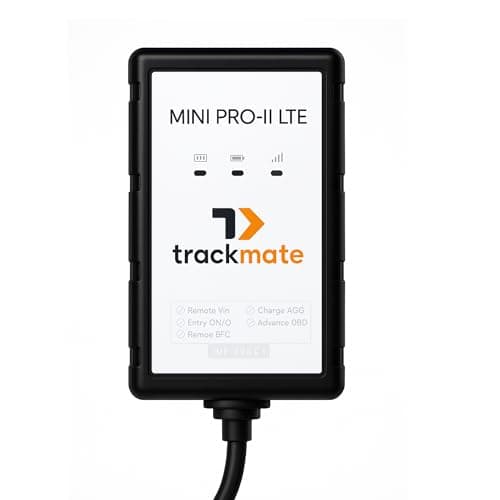
Anti-theft is not the same product category as vehicle tracking, and conflating them is why so many people buy an OBD dongle and are disappointed. An OBD dongle is excellent at telling you where your car is parked and useless against a thief, because it is in plain view in the footwell and unplugs in two seconds.
For theft, three things matter and none of them is app design.
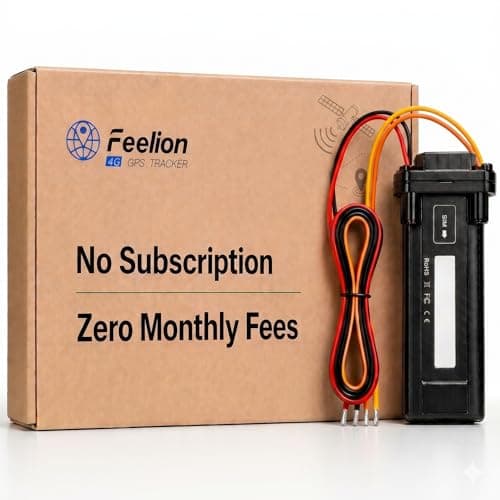
Concealment. The tracker has to survive a cursory search. That means hardwired behind trim, or a waterproof unit mounted somewhere outside the cabin. Anything that plugs into a visible socket is a tracker a competent thief removes.
Immobilization. Knowing where your stolen car is does not get it back by itself. A remote starter disable — which prevents a restart after the engine is next switched off — is the feature that converts a location into a recovery, and it is available on hardwired units rather than dongles.
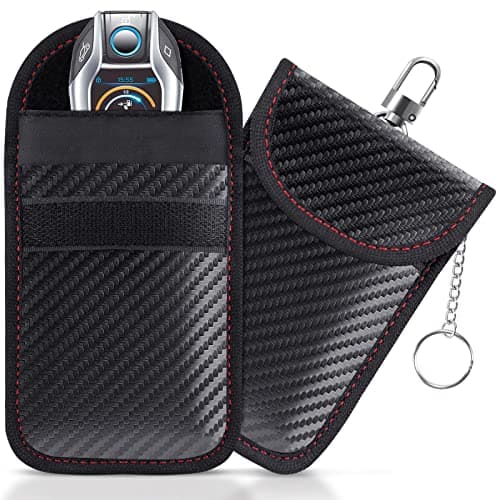
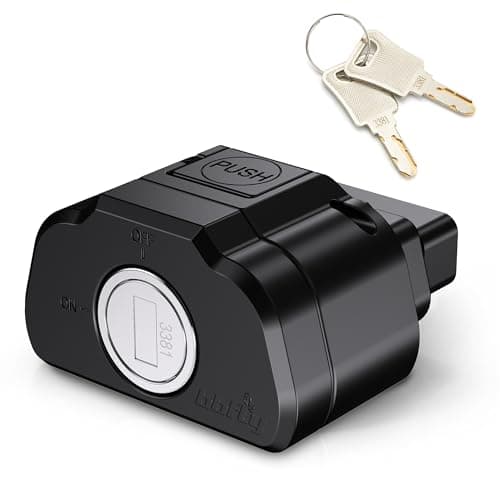
Prevention, which beats both. The uncomfortable truth about this category is that the two cheapest items on this page will do more for most owners than the three expensive ones. If your car is keyless, a Faraday pouch defeats the relay attack used in the majority of modern thefts. If your model is one that gets key-cloned through the diagnostic port, an OBD lock closes that door. Neither is a tracker. Both prevent the event the trackers are there to document.
How modern car theft actually works
Understanding the method is what tells you where to spend. Three patterns dominate:
Relay attack on keyless entry. Two people, two radio amplifiers. One stands near your house and picks up the signal your key fob is quietly emitting from the hall table; the other relays it to the car, which believes the key is present and unlocks and starts. It takes under a minute, it is silent, and no tracker prevents any part of it. A signal-blocking pouch does, completely, because a key in a Faraday pouch emits nothing to relay.
OBD key programming. Thieves break in, plug a programmer into the diagnostic port, and write a new key to the car. A keyed OBD lock blocks it. This is model-specific, so it is worth finding out whether yours is one of the vulnerable ones.
Flatbed. The car is lifted and driven away without ever being started. Nothing electronic prevents this, and it is the case where a concealed tracker genuinely is your only recourse — which is also why the tracker needs to be hidden somewhere a thief will not sweep before the vehicle is stripped.
Where to mount a tracker a thief will not find
Not the OBD port. Not the glovebox. Not stuck to the inside of a bumper where a magnet is the first thing a hand sweeps for.
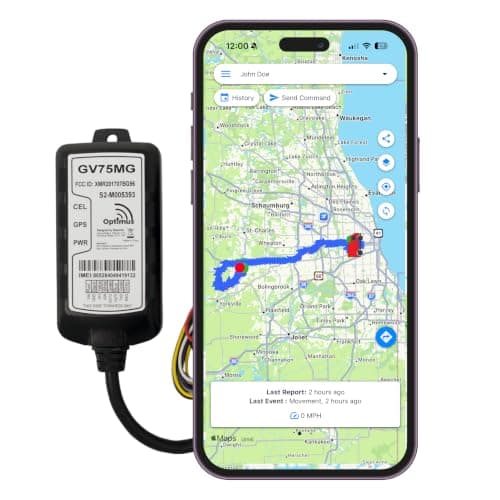
Hardwired behind a kick panel, under a seat pan, or in the boot wiring loom, is found only by someone specifically searching. A waterproof unit like the Optimus GV75MG can go genuinely external — a wheel arch liner, under a wing — which is better still.
Two practical points. Take a photograph of the install before you put the trim back, because in three years you will not remember where it is. And if you fit a second cheap tag somewhere obvious, a thief who finds it may stop looking — a decoy is a legitimate tactic and a magnetic tag in a case costs almost nothing.
On starter disable, carefully
A remote immobilizer relay is the most powerful feature in this category and the one that most deserves a sober paragraph. It is designed to prevent a restart once the engine is off. It is not a panic button and it is not for use on a moving vehicle — stopping a car remotely in traffic creates a hazard for people who have done nothing wrong, and the liability is yours.
Fit it, understand it, and in a real theft use it in coordination with the police rather than ahead of them. Most police forces would much rather be told where a vehicle is than find it immobilized in a live traffic lane.
Insurance, and what it actually wants
A consumer tracker is not a Thatcham-approved tracking system and will not usually earn a premium discount. Approved systems are professionally fitted, monitored twenty-four hours a day, and cost considerably more, which for a high-value vehicle may be the right purchase instead of anything on this page.
What a consumer tracker does do is materially improve the odds of recovery in the first few hours, which is when recovery actually happens. Buy it for that, not for the insurance letter.