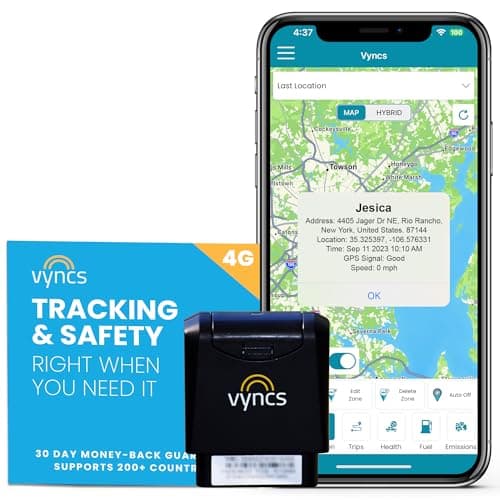
“No monthly fee” in car tracking means one of two honest things and one dishonest one, and sorting them out is most of what this page does.
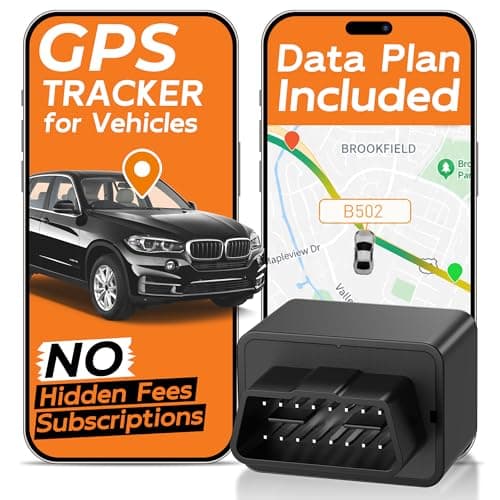
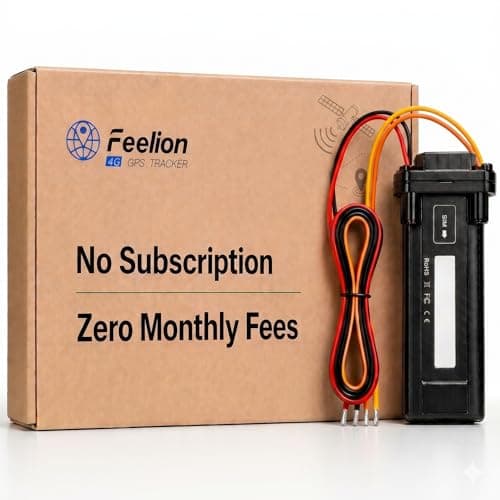
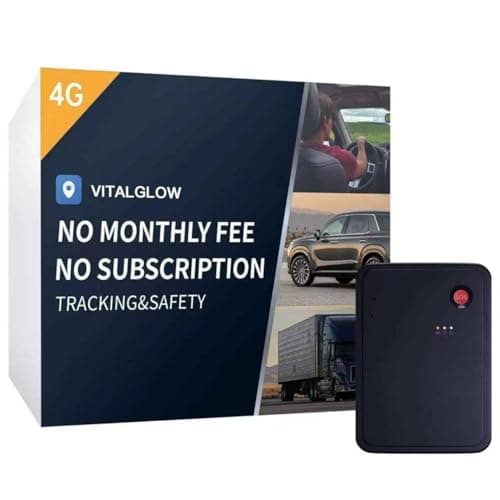
Prepaid service. The first four picks here are real cellular trackers with real SIMs. Their data costs money and you pay for it — in one payment at the start rather than monthly. Nothing recurs on your card, which makes the claim true, and over three years it is substantially cheaper than a plan. This is the category we recommend for any vehicle you expect to keep.
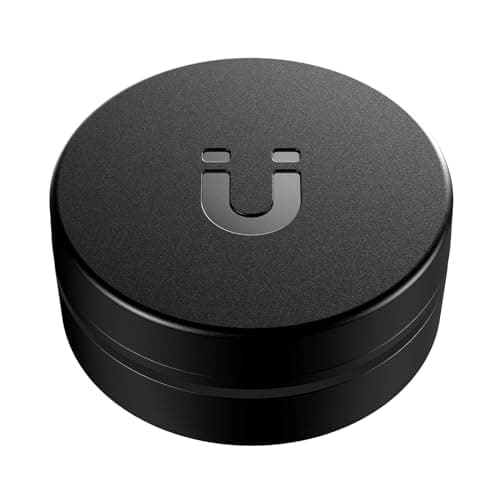
No data at all. The last pick is a Bluetooth tag in a magnetic case. It genuinely costs nothing forever, and it is genuinely not a vehicle tracker — it reports only when a passing phone hears it. As a cheap second layer alongside a real tracker, or on a trailer that lives in a populated area, it earns its place. As your only protection for a car, it does not.
The dishonest version is a cellular device that bundles twelve months of service into the purchase and starts billing in month thirteen. That is a free trial with a no-fee label on the box. Nothing on this page is one, and where we were not certain we said so in the plan note rather than guessing.
The one question to ask every device here
What does renewal cost? Prepaid service has a term, the term ends, and the listing does not print the next price. A brand that answers that clearly before you buy is a brand worth buying from. We have put the question in the plan note of every pick because it is the thing most likely to surprise you in two years.
The arithmetic, since it is the whole argument
Take the cheapest published plan in this category: LandAirSea prints $8.95 a month in its own Sync product title. Across thirty-six months that is $322.20, on top of a device in the twenties — about $347 to own for three years.
A prepaid device costs considerably more up front and nothing after. None of them carries a premium anywhere near $322, so prepaid is cheaper from somewhere between month twelve and month eighteen onward. At the Spytec rate of $12.95 a month the crossover arrives even sooner.
The honest exception: if you are tracking a vehicle for one summer, or a car you are about to sell, a cancellable monthly plan is genuinely the right product and prepaid is wasted money. Match the payment shape to how long you will keep it.
Platform risk, which nobody prices in
A prepaid cellular tracker still depends on a company surviving. The servers that receive its reports, the app that draws the map, and the SIM provisioning all belong to the brand — and you have paid for three or more years of that service in advance.
That makes brand age matter more here than almost anywhere else on this site. Vyncs has been selling essentially this product for years. The newer entrants have not, and their lower price partly reflects that. We would buy a cheap one-payment device for a trailer and pay the premium for the established brand on a car we cared about.
A Bluetooth tag has no such exposure — it is a passive beacon on Apple's or Google's network, and neither is going anywhere. That is a real and rarely-mentioned part of its value.
What no-fee devices tend to give up
Storage recurs, so one-payment devices typically keep less trip history for less time. Plan-based trackers offer thirty or ninety days of trip replay precisely because the customer is paying monthly for the servers holding it.
If forensic history is the point — a teen-driving conversation, an insurance dispute, a fleet — read the retention terms carefully, because that is where prepaid devices are thinnest. If the point is simply knowing where the vehicle is, it does not matter at all.
And the thing that is not a tracker
If your car is keyless, the highest-value purchase on this page is not on this page. A Faraday pouch for the key fob defeats the relay attack used in most modern car thefts, costs less than a tank of fuel, and prevents the theft rather than documenting it. Buy the pouch, then buy the tracker.