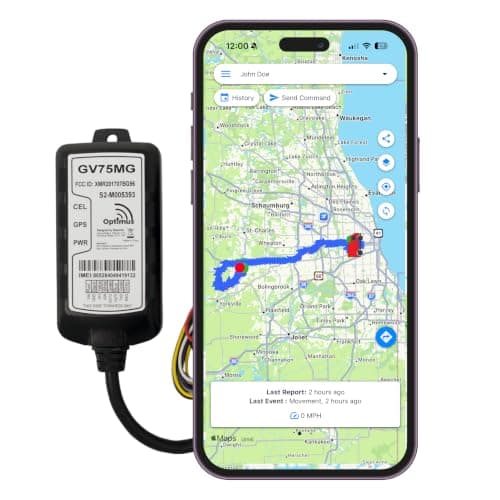
A motorcycle is the hardest install on this site, for three reasons that have nothing to do with brand.
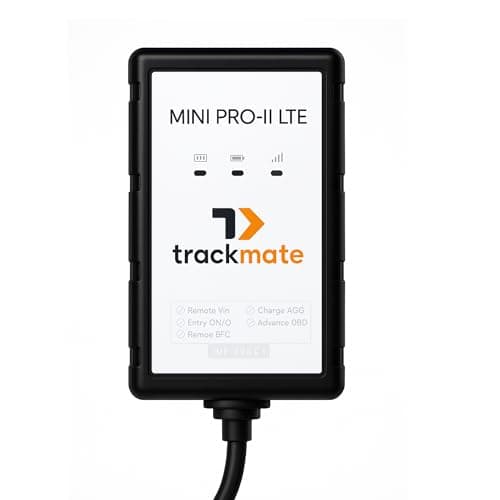
There is no OBD port. The ninety-second plug-in option that dominates car tracking simply does not exist, so you are hardwiring to the loom or running on battery.
The battery is small. A car shrugs off a tracker drawing thirty milliamps; a bike battery that sits for three weeks does not. This is the single most common reason a motorcycle tracker install goes wrong, and it is why sleep behavior matters more here than anywhere else.
Everything is exposed. There is no dry cabin. A tracker mounted under a seat or in a tail unit will see water, vibration and heat, so the housing has to be rated for it rather than merely “splash resistant”.
Alert beats track, on a bike
There is one strategic difference from car tracking worth internalizing. A stolen car is usually driven. A stolen motorcycle is very often lifted into a van, taken to a garage and stripped within hours — which means the useful window is the minutes after it moves, not the hours after you notice.
That makes a tow or motion alert more valuable on a bike than a high-frequency position feed. A device that pings your phone the instant the bike moves when it should not gives you a chance to act. A device that quietly logs a precise route you read the next morning gives you a map of where your bike used to be.
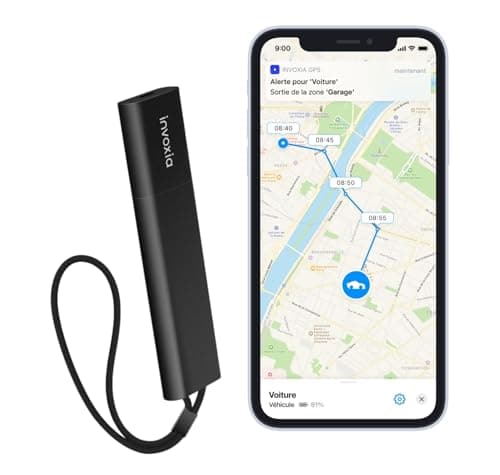
The Invoxia unit is on this page specifically for that: weeks of battery and a proper tow alert, with the honest caveat that its low-power network updates periodically rather than continuously. It is an alarm with a map, and on a bike that is the right instrument.
Battery drain: the number to ask about
Before you wire anything into a motorcycle, ask the manufacturer two questions: the current draw while sleeping, and how long without motion before it sleeps.
The arithmetic matters. A typical motorcycle battery holds somewhere around eight to twelve amp-hours, and you do not want to discharge below about half of that. A tracker drawing a steady thirty milliamps uses roughly 0.7 amp-hours a day — a week is fine, a month is not, and on a bike already sitting through winter it is the difference between starting in spring and buying a battery.
A good unit sleeps to single-digit milliamps and wakes on movement. A unit that will not tell you its sleep draw is a unit to be suspicious of. If the bike is stored for months, either fit a battery tender or accept that the tracker needs to come off the loom for the winter.
Where to mount it
Under the seat is the obvious place and therefore the first place searched. Better options, roughly in order of how long a thief takes to find them: inside the tail unit behind the rear light, in the headlight shroud, under the fuel tank, inside a fairing panel that needs tools to remove.
Two cautions specific to bikes. Keep it away from the exhaust and the engine cases — lithium cells and heat are a poor combination. And route the wiring so it does not chafe on a steering stop or a swingarm; a tracker that saws through its own loom on a long ride is a tracker that stops working the week you need it.
A decoy is worth considering. If a cheap visible tag is found under the seat, a thief in a hurry may stop sweeping and never reach the hardwired unit in the fairing.
E-bikes and bicycles are a different case
A bicycle has no 12V loom worth tapping and a theft window measured in seconds, so the calculus changes completely. Here the right answer is usually a no-fee device bolted on rather than a cellular tracker wired in.
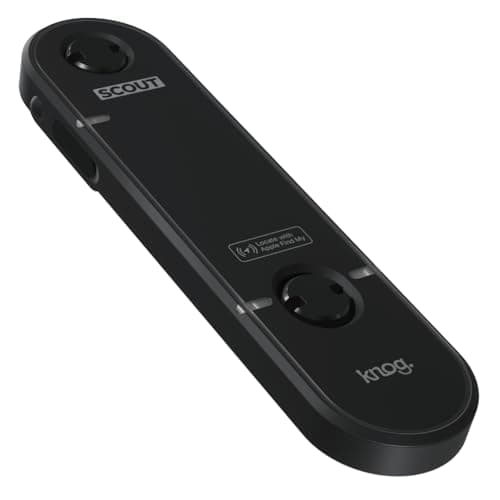
The Knog Scout is the clean solution: it bolts to a bottle-cage mount so it cannot be unclipped by hand, it pairs a motion alarm with Apple Find My, and there is no subscription. The alarm is the important half — it deters the opportunist who makes up most bike theft, and a thief who is startled moves on to an easier bike.
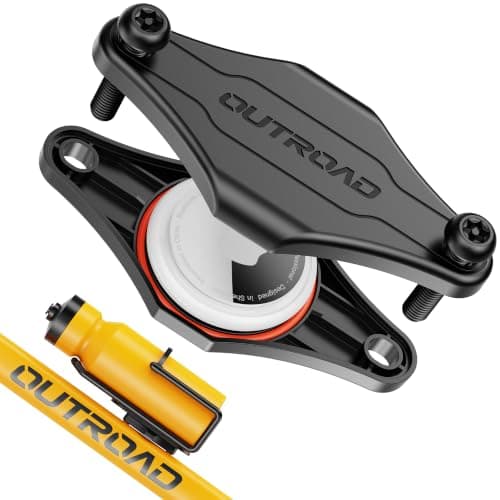
The cheaper version is a Find My tag in a waterproof mount hidden under a bottle cage or behind a reflector. It costs almost nothing to run, and in a city the Find My network will track a stolen bike through streets full of iPhones. Neither option helps against a van with bolt cutters at 3am in an empty car park, and no tracker does.
An e-bike-specific note
Many e-bikes have a substantial battery and a wiring harness, which makes a hardwired cellular tracker genuinely viable and gives you something no bicycle tracker can: live position from anywhere. If your e-bike cost as much as a used car, treat it like one and wire a proper tracker in.