An e-bike is an unusually good case for a Bluetooth tag, and an unusually bad case for relying on one alone. Both things are true for the same reason: e-bikes are stolen in cities, and cities are full of iPhones.
A stolen e-bike that gets ridden reports its position repeatedly, because the Find My network along an urban street is dense. A stolen e-bike that gets lifted into a van and driven to a lock-up reports nothing from the moment the doors close. Which of those happens to you is luck, and the tag costs almost nothing either way.
What actually prevents e-bike theft
Worth being blunt: a tracker of any kind is a recovery tool. Most e-bike theft is opportunistic and takes under a minute, and the things that prevent it are a good lock correctly used, not leaving the bike where it is the easiest target, and an alarm.
The alarm is the part worth buying alongside a tag, and it is why the Knog Scout is our first pick rather than a bare AirTag. An 85 dB siren going off when the bike is moved startles an opportunist, and an opportunist who is startled moves to the next bike. A silent tag does nothing at that moment — it only helps afterwards.
Where to hide it
The rule is: somewhere that takes tools, and somewhere a thief who knows about tags does not check first. The places thieves check first are the saddle bag, the bottle cage, under the saddle, and the handlebar end caps.
Good hiding places on an e-bike, roughly in order:
- Inside the down tube, if there is room alongside the battery or a port — the best hiding place on any bike, and the hardest to reach
- Bolted under the bottle-cage mount, in a purpose-made waterproof mount that needs an allen key
- Behind the rear reflector or inside a mudguard, which looks like nothing
- Inside the seat post, with a plug — awkward but effective
Avoid anything adhesive on a bike: vibration and weather defeat it, and a tag that falls off on a ride is money gone. Bolt it or plug it.
The short answer
Quick picks
Ranked by what each one costs to own for three years, not by sticker price. The plan column is the one most comparisons leave out.
| # | Product | Best for | Plan / 3 yr | Price |
|---|
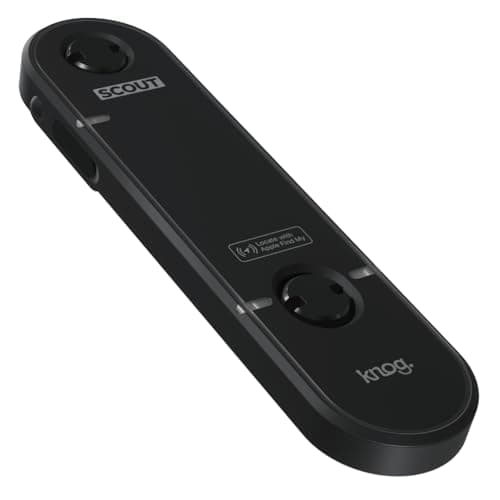
| 01 | Knog Scout bike alarm and finderBolts to a bottle-cage mount so it cannot be unclipped, and pairs an 85 dB motion alarm with Find My tracking. The alarm is the half that prevents the theft. | Best overall: alarm plus Find My | No monthly fee $0 | $64.99·Amazon |
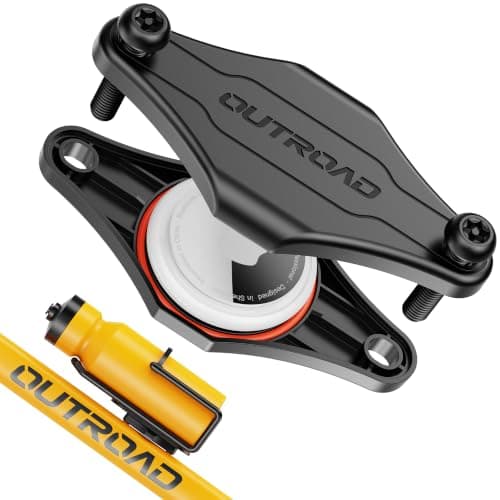
| 02 | Waterproof bike mount for AirTagBolts under a bottle cage or behind a reflector, where a thief does not check first. Waterproof, and the whole setup costs less than a decent lock. | Cheapest hidden mount | No monthly fee $0 | $8.49·Amazon |
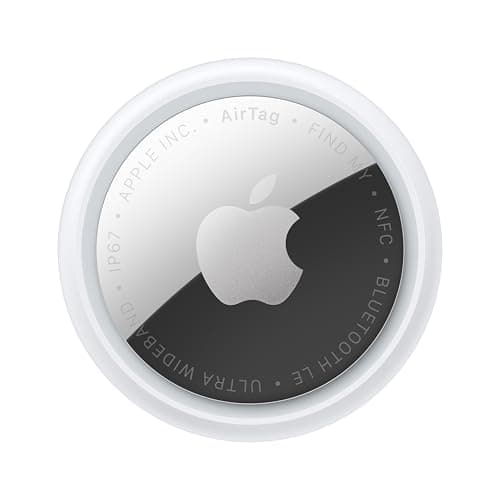
| 03 | Apple AirTag (2nd generation)No fee, ever, and a network dense enough that a stolen bike ridden through a city reports repeatedly. Silent in a van or a lock-up. | The tag itself | No monthly fee $0 + batteries | $24.00·Amazon |
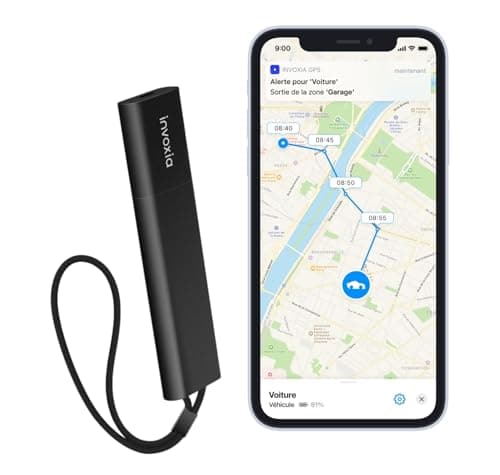
| 04 | Invoxia GPS Tracker PROWeeks of battery and a proper tow alert, which on a bike matters more than a position feed. The listing is upfront that no subscription is included. | Expensive e-bikes: real tracking | Plan required Plan required | $99.00·Amazon |
#ad · Live prices from Amazon's product API, as of October 8, 2026. Where we have no verified live price we show none — a gap beats a number that has rotted. Plan figures are the brands' own published rates, cited in Sources below.
In detail
The picks, in full
Top pickNo monthly fee#01 · Knog
Knog Scout bike alarm and finder
Best overall: alarm plus Find My
Bolts to a bottle-cage mount so it cannot be unclipped, and pairs an 85 dB motion alarm with Find My tracking. The alarm is the half that prevents the theft.
The subscription reality
No subscription, now or later. The purchase price is the whole cost of ownership.
- Over three years:
- $0
Specs, as published by Knog
- ·Bolts to a bottle-cage mount, so it is not removable by hand
- ·Works with Apple Find My
- ·85 dB alarm triggered by movement
- ·Rechargeable
Good
- +Combines a motion alarm with Find My tracking, which no plain tag does
- +Mounts where a thief will not look first
- +No subscription
Not so good
- −Find My only
- −Alarm deters an opportunist, not a van with bolt cutters
- −Needs charging
Skip it if
you are on Android — this is a Find My device.
No monthly fee#02 · CITYWAY
Waterproof bike mount for AirTag
Cheapest hidden mount
Bolts under a bottle cage or behind a reflector, where a thief does not check first. Waterproof, and the whole setup costs less than a decent lock.
The subscription reality
No subscription, now or later. The purchase price is the whole cost of ownership.
- Over three years:
- $0
Specs, as published by CITYWAY
- ·Bolts under a bottle cage or behind a reflector
- ·Waterproof housing
- ·Hides the tag from view
Good
- +Hidden where a thief will not check first
- +Waterproof
- +Needs no tools beyond an allen key
Not so good
- −Only as good as the hiding place
- −Adds a little weight
- −Thief with an allen key wins
Skip it if
the bike lives outside permanently — buy an alarmed tracker like the Knog Scout instead.
No monthly fee#03 · Apple
Apple AirTag (2nd generation)
The tag itself
No fee, ever, and a network dense enough that a stolen bike ridden through a city reports repeatedly. Silent in a van or a lock-up.
The subscription reality
No subscription. The only recurring cost is a CR2032 roughly once a year, which is pennies.
- Over three years:
- about $3 in coin cells
Specs, as published by Apple
- ·User-replaceable CR2032 coin cell; Apple states it runs more than a year
- ·IP67 (1 m for up to 30 minutes, IEC 60529)
- ·Ultra Wideband Precision Finding, 1.5x the range of the first generation
- ·Speaker 50% louder than the first generation
Good
- +No subscription, and Apple has never charged one
- +The Find My network is the largest crowd network in the world, so a lost AirTag in a populated area usually reports within minutes
- +Precision Finding walks you to it by distance and direction, not just a map pin
- +Battery is a coin cell from any supermarket, not a sealed pack
Not so good
- −iPhone only for setup and full use — there is no Android app
- −It has no GPS of its own: it reports when an Apple device walks past it, so it is a finder, not a tracker
- −No keyring hole, so you are buying a holder as well
Skip it if
you are on Android, or you need to watch something move in real time — an AirTag only knows where it was when someone last walked past it.
Plan required#04 · Invoxia
Invoxia GPS Tracker PRO
Expensive e-bikes: real tracking
Weeks of battery and a proper tow alert, which on a bike matters more than a position feed. The listing is upfront that no subscription is included.
The subscription reality
Invoxia's own listing is explicit that no subscription is included with this version — a plan is a separate purchase. Treat that as a warning on the box rather than a selling point.
Specs, as published by Invoxia
- ·Low-power network tracker with a long stated battery life
- ·Designed for bikes, motorcycles and vans
- ·Motion and tow alerts
Good
- +Battery life measured in weeks, not days
- +Good at the one job it exists for: telling you something moved that should not have
- +Well-made hardware
Not so good
- −No subscription included on this version, so the plan is an extra line on the bill
- −Low-power networks update less often than 4G
- −Expensive device
Skip it if
you want second-by-second tracking. This reports periodically; it is an alarm with a map, not a live feed.
Two tags beats one
The standard advice from people who recover bikes: fit two, one findable and one not. A tag in the obvious bottle-cage position satisfies a thief who sweeps, and the one inside the down tube keeps reporting. At these prices the second tag is almost free.
This matters more on e-bikes than on bicycles because e-bike theft is increasingly organized rather than opportunistic, and organized thieves do look for trackers.
When an e-bike deserves a real tracker
Here is the threshold we would use: if the e-bike cost more than a used car, treat it like one. At that point an e-bike has two things a bicycle does not — substantial value and a substantial battery with a wiring harness — and both argue for a cellular tracker wired in.
What that buys you over a tag is the thing a tag structurally cannot do: a position from inside a van, from a rural lock-up, from anywhere with no phones. It also buys a tow alert, which tells you the bike moved while there is still time to act rather than the next morning.
The Invoxia unit is the obvious shape for this — weeks of battery and a genuine motion alert rather than a continuous feed. Note its own listing is explicit that no subscription is included with that version, so price the plan before you buy.
The anti-stalking notification, which applies here too
Both platforms now alert someone when a tracker that is not theirs has been moving with them over time. So a thief riding your e-bike who carries an iPhone or a recent Android phone will probably be told there is a tag aboard, usually within a day, along with instructions to disable it.
In practice plenty of thieves ignore it, which is why tags still recover bikes. But it is the reason two tags is better than one, and the reason an alarmed device or a cellular tracker is a meaningful upgrade rather than a luxury.
If it is stolen
Do not go and get it. Report the positions to the police and let them act — recovering property from a stranger's address is how a property crime becomes a violent one.
Practical things that help before it happens: photograph the bike and record the frame number, register it with a national bike register, and keep the receipt. A tag tells the police where it is; the frame number is what lets them prove it is yours.
How we picked
We did not lab-test these trackers
Everyone in this category claims to have tested twenty devices. We have not tested any of them, and we say so on every page. What we did instead: read each manufacturer's published specifications and cite them with the date, find the actual subscription price and cite that too, and work out what thirty-six months of ownership costs at those published figures. Device prices come live from Amazon's API and expire after 48 hours rather than going stale. Where a figure could not be sourced to the manufacturer, the page says the spec is unconfirmed rather than borrowing it from a competitor's review. The full method is on the methodology page.
Working out what a tracker really costs? See the three-year cost of every tracker, compared.
Read next
Related
The table behind every recommendation on this site: device, plan, and what thirty-six months actually comes to.
The wired-in cellular options, if the e-bike is expensive enough.
The same mechanism and the same limits, applied to a vehicle.
Why a city works and a van does not.
Choosing the tag itself, by phone platform.
Bluetooth tags, cellular GPS and radio direction-finding are different products, not price tiers.