Camera gear is a recovery problem with one unusual advantage: a camera bag is full of divider pockets, zipped compartments and foam, which means there are far better hiding places than a suitcase offers.
It also has an unusual disadvantage: the value density is extreme. A bag the size of a daypack can hold more than a used car, which changes what proportionate protection looks like.
Card format, not keyring format
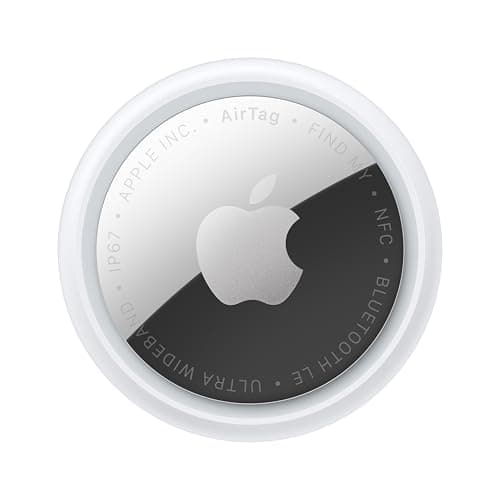
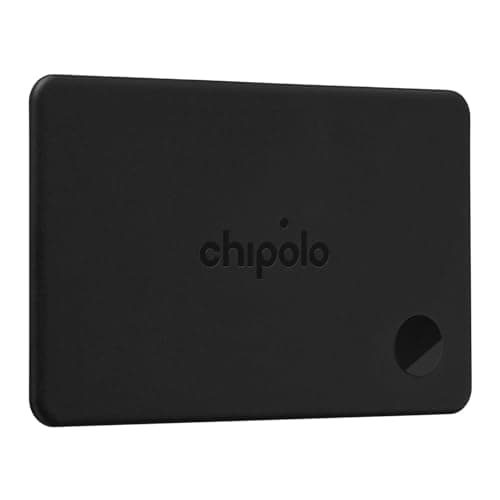
The practical insight for camera bags is the shape of the tag. A keyring puck takes up space you wanted for a lens and rattles. A card-format tracker slides into a divider pocket, a laptop sleeve or behind a foam insert and is invisible.
So the picks here lean toward card holders and card trackers rather than the keyring tags we recommend elsewhere. Same networks, better shape.
Which to tag: the bag, or the gear?
Tag the bag first. The common loss is the whole bag — left in a taxi, taken from a car, lifted at a café table.
Then tag one lens case. This is the step people skip and it is the one that matters for a theft. A thief who takes a bag frequently empties it and discards the bag itself, often within a few hundred meters. A tag in the bag then leads you to a bin; a flat tag inside a lens pouch travels on with the gear.
For a kit worth several thousand dollars, two tags in different parts of the bag is the obvious arrangement.
Hiding places in a camera bag, ranked
- Under or behind a foam divider. Lift a divider, lay a card tracker flat beneath it, replace. Invisible and takes no space.
- In a lens pouch, inside the pouch's own pocket. The one that travels with the gear rather than the bag.
- In the laptop sleeve, taped flat. Easy and effective.
- Inside a hard case's lid foam. A scalpel cut and an adhesive mount. For Pelican-style cases this is close to perfect.
- A zipped valuables pocket. Fine, but it is the pocket a thief checks first.
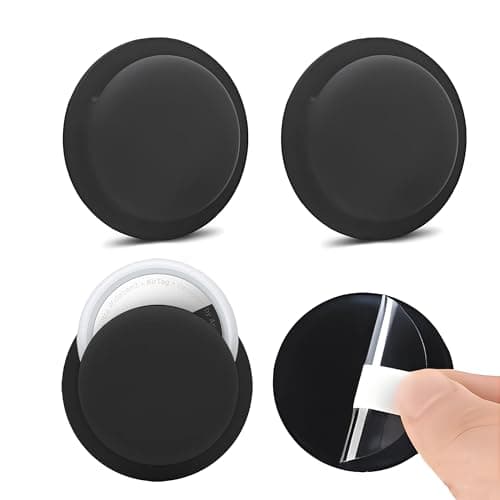
- Clipped to a strap. Avoid. Visible, removable, and it rattles.
Camera bags are fabric and foam, both of which pass Bluetooth well, so you do not need to compromise on concealment for signal.
When a kit justifies cellular as well
Our general line on bags is that cellular is unnecessary, because bags get lost where there are people. Camera gear has two cases where that breaks down.
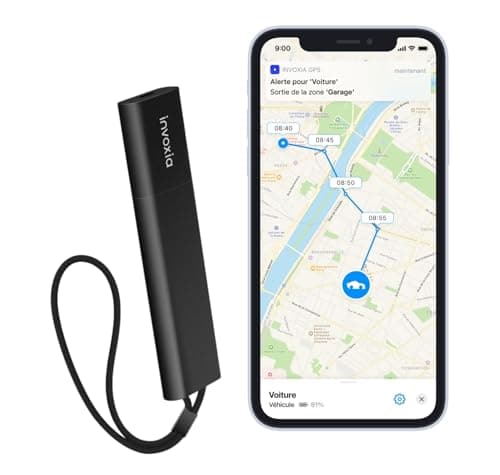
Gear left in a vehicle on location. A van at a trailhead or a remote shoot, where a theft happens somewhere with no footfall and the kit leaves by road. A low-power cellular unit with a motion alert tells you it moved while you can still act.
Working kit whose loss is a business event. If the bag going missing means a canceled job and an insurance claim rather than an annoyance, the cost of a cellular plan is trivial against the exposure, and continuous reporting is worth having alongside a hidden tag.
For a hobby kit in a city, a tag or two is the right answer and cellular is overkill.
The boring things that matter more
Serial numbers, photographed. This is what proves a recovered body or lens is yours, and what lets police return it rather than hold it as unidentified property. Photograph every serial plate and the lens mounts, and keep the album in cloud storage rather than on the laptop in the bag.
Insurance that covers it away from home. Many household policies do not cover photographic equipment out of the house, or cover it to a low limit. Check before you need to.
Registering the gear. Several national registers exist for stolen photographic equipment and the second-hand trade does check them.
A tag improves the odds of recovery in the first hours. These three decide what happens afterwards.
Lost Mode, and the café scenario
Set up Lost Mode with a phone number. The most common way a camera bag goes missing is being left somewhere, and a bag left in a café is usually picked up by staff who would happily return it. Lost Mode turns a tap of their phone into your number.
This is also the scenario where a loud tag earns its place: if the bag is in the back room of the café you just left, a 130 dB siren finds it faster than a map pin ever will.