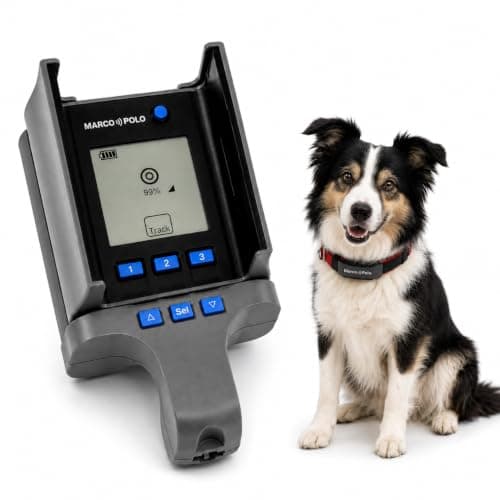
For a household with three or more dogs, the Marco Polo radio system is the pick: several pets tracked from one handheld with no SIM and no subscription at all, so the cost does not multiply by the number of dogs or by the number of months. If you run a pack seriously, the Garmin Alpha 200i handles up to twenty collars on the same no-fee principle. If live position on your phone is non-negotiable, Tractive is the best cellular platform — just go in knowing that three dogs on Basic is $756 of plan across three years.
This page exists because of one fact the pet-tracking industry states quietly: every cellular plan is priced per tracker. There is no household tier, no second-pet discount worth the name, and no way around it, because each collar contains its own SIM and each SIM costs the brand money every month. So the advice that is perfectly sound for one dog becomes expensive at two and genuinely irrational at four, and the technology that looked like a compromise starts looking like the obvious answer.
The arithmetic, with published figures
Tractive publishes Basic at $9 a month on a one-year term and $6 a month on a two-year term. The cheapest honest route to thirty-six months is $252 per tracker. Multiply that:
- One dog: $252 of plan over three years, plus the tracker.
- Two dogs: $504 of plan, plus two trackers.
- Three dogs: $756 of plan, plus three trackers.
- Four dogs: $1,008 of plan, plus four trackers.
At three dogs you are into the price range of a radio system that charges nothing per month and will still be working in year six. At four you are past it. That is the entire argument of this page, and it is arithmetic rather than opinion.
Why radio systems scale and cellular ones do not
A radio system has one receiver and one transmitter per dog. The receiver is the expensive part and you buy it once; each additional dog is a collar unit, which is hardware rather than a recurring bill. There is no network, no servers and no account, so there is nothing for anyone to charge for.
A cellular system puts a complete phone in every collar. Each one needs its own data connection and each connection has a carrier behind it. That is not greed, it is cost structure — and it means the economics never improve with volume for the owner. The full explanation of why the fees exist.
What you give up by going radio
Everything that happens when you are not there. A radio system only helps somebody standing within range holding the handheld — no checking from work, no alert while you are at the shops, no history. If what you actually need is to be told at your desk that a dog has left the yard, cellular is the only category that does it and you should pay per dog without resentment. Be honest about which problem you have. How each technology actually works.
The short answer
Quick picks
Ranked by what each one costs to own for three years, not by sticker price. The plan column is the one most comparisons leave out.
| # | Product | Best for | Plan / 3 yr | Price |
|---|
| 01 | Marco Polo Advanced pet trackerMultiple pets on a single handheld with no SIM and no subscription anywhere in the system. Expensive once and free afterward, which is the shape that wins as soon as you are dividing by three dogs. | Several dogs, no fee, one handheld | No monthly fee $0 | $329.95·Amazon |
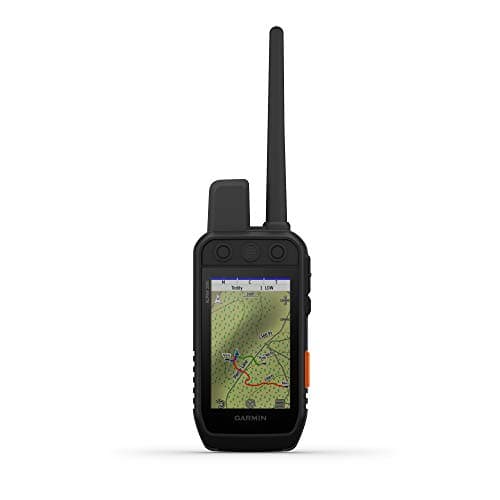
| 02 | Garmin Alpha 200i handheldOne handheld tracks up to twenty Garmin collars over its own radio link, with no fee for the tracking itself. Professional equipment priced like it, and the per-dog cost is a collar rather than a plan. | A pack, properly: up to 20 collars | Plan required Plan for satellite | $686.00·Amazon |
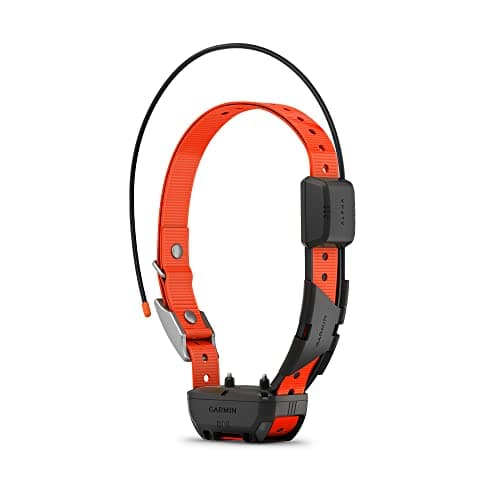
| 03 | Garmin Alpha TT 25 collarThe collar half of the Garmin system. This is what the per-dog cost actually looks like on a radio platform: hardware once, nothing monthly, and useless without the handheld. | Adding the second and third dog | No monthly fee $0 | $349.99·Amazon |
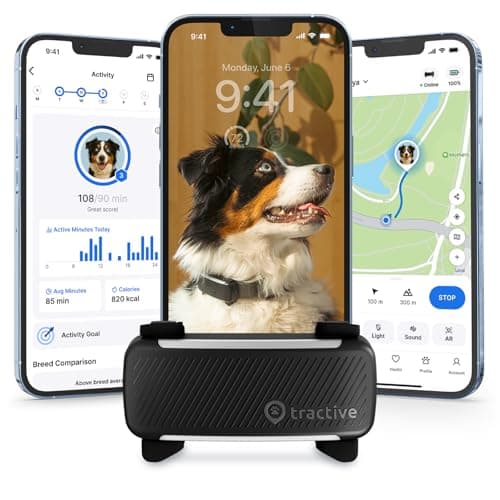
| 04 | Tractive Smart Dog GPS trackerThe best-supported cellular pet platform and genuinely live. The plan is per tracker, so three dogs on Basic is $756 across three years before you buy any hardware. | Live tracking, if you will pay per dog | Plan required +$252 / 3 yr | $79.00·Amazon |
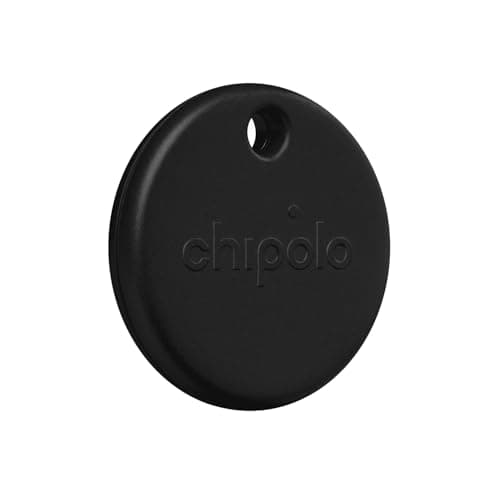
| 05 | Chipolo POPA dual-network no-fee tag per dog, in colors you can tell apart, which matters when you own five tags. It finds a dog in the house or the yard; it does not follow one down the road. | Tagging every dog in the house cheaply | No monthly fee $0 | $29.00·Amazon |
#ad · Live prices from Amazon's product API, as of October 22, 2026. Where we have no verified live price we show none — a gap beats a number that has rotted. Plan figures are the brands' own published rates, cited in Sources below.
In detail
The picks, in full
Top pickNo monthly fee#01 · Marco Polo
Marco Polo Advanced pet tracker
Several dogs, no fee, one handheld
Multiple pets on a single handheld with no SIM and no subscription anywhere in the system. Expensive once and free afterward, which is the shape that wins as soon as you are dividing by three dogs.
The subscription reality
Radio direction-finding, not cellular. No SIM, no network, no plan — which is exactly why it still works where there is no signal.
- Over three years:
- $0
Specs, as published by Marco Polo
- ·Radio direction-finding system with its own handheld locator
- ·No SIM and no subscription
- ·Long radio range in open country
Good
- +No fee ever, and no dependence on a company's servers staying up
- +Long range in open terrain
- +Multiple pets on one handheld
Not so good
- −Expensive up front — this is where the subscription money went instead
- −Handheld-only; no phone app
- −Bulky collar unit
Skip it if
you need the location on your phone while you are at work. Radio systems only help someone standing in the field.
Plan required#02 · Garmin
Garmin Alpha 200i handheld
A pack, properly: up to 20 collars
One handheld tracks up to twenty Garmin collars over its own radio link, with no fee for the tracking itself. Professional equipment priced like it, and the per-dog cost is a collar rather than a plan.
The subscription reality
The handheld works as a GPS and as a dog tracker with no fee at all. The inReach satellite messaging is the part that needs an airtime plan, and only if you want it.
Specs, as published by Garmin
- ·Handheld radio tracker for up to 20 Garmin dog collars
- ·Built-in inReach satellite messaging (airtime plan optional)
- ·Topographic mapping on the handheld
Good
- +Dog tracking itself needs no subscription — the radio link is free forever
- +Works with zero phone signal, which is the entire point for hunting dogs
- +inReach gives you an SOS in places with no coverage, if you want the plan
Not so good
- −Very expensive, and the collars are sold separately
- −Satellite messaging is the part that needs an airtime plan
- −Overkill for a pet dog
Skip it if
the dog is a family pet. This is professional hunting-dog equipment and priced like it.
No monthly fee#03 · Garmin
Garmin Alpha TT 25 collar
Adding the second and third dog
The collar half of the Garmin system. This is what the per-dog cost actually looks like on a radio platform: hardware once, nothing monthly, and useless without the handheld.
The subscription reality
Radio direction-finding, not cellular. No SIM, no network, no plan — which is exactly why it still works where there is no signal.
- Over three years:
- $0
Specs, as published by Garmin
- ·Dog collar device for the Garmin Alpha system
- ·Radio tracking plus training stimulation
- ·No subscription for tracking
Good
- +No fee
- +Rugged
- +Adds a dog to an existing Alpha handheld
Not so good
- −Needs an Alpha handheld to do anything
- −Expensive per dog
- −Not a pet product
Skip it if
you do not already own a Garmin Alpha handheld.
Plan required#04 · Tractive
Tractive Smart Dog GPS tracker
Live tracking, if you will pay per dog
The best-supported cellular pet platform and genuinely live. The plan is per tracker, so three dogs on Basic is $756 across three years before you buy any hardware.
The subscription reality
The collar is useless without a plan — the subscription pays for the SIM inside it. The cheapest honest route to three years on Basic is $252.
- Published monthly:
- $9 Basic (1-year), $6 Basic (2-year)
- Over three years:
- $252 on Basic (a 2-year term at $144 plus a 1-year at $108)
Specs, as published by Tractive
- ·Clips to any collar, cellular with built-in SIM
- ·Virtual fence alerts
- ·Live tracking with a walk-to-it mode
Good
- +The best-supported pet GPS on the market, and the one most likely to still exist in three years
- +Genuinely live tracking, which is what you need for a dog that runs
- +Virtual fence alerts actually work
Not so good
- −Needs a plan. $252 over three years on Basic is the realistic figure, and that is before the collar
- −Charge every few days
- −The plan is per tracker, so two dogs is two plans
Skip it if
your dog never leaves a fenced garden. For that dog a $25 Bluetooth tag and a sturdy latch is the better purchase.
No monthly fee#05 · Chipolo
Chipolo POP
Tagging every dog in the house cheaply
A dual-network no-fee tag per dog, in colors you can tell apart, which matters when you own five tags. It finds a dog in the house or the yard; it does not follow one down the road.
The subscription reality
No subscription, now or later. The purchase price is the whole cost of ownership.
- Over three years:
- $0
Specs, as published by Chipolo
- ·Rechargeable, dual-network (Apple Find My or Google Find Hub)
- ·Loud alarm, Chipolo's stated spec
- ·Color-coded shells so tags on different items are tellable apart
Good
- +Cheaper than the LOOP while keeping dual-network support
- +No subscription
- +The colors are not a gimmick when you own five tags
Not so good
- −Still one network per tag, chosen at setup
- −Rechargeable, not coin cell
- −Smaller alarm and feature set than the LOOP
Skip it if
you want the loudest possible alarm — the LOOP is the louder of the two Chipolos.
Which one, by number of dogs and where they go
Two dogs in a suburb, both of which bolt: two cellular trackers, and accept $504 of plan over three years. At two dogs the cellular answer is still defensible, and the live tracking is worth real money for a dog that runs toward roads.
Three or more dogs on land: a radio system. Marco Polo for pets, the Garmin Alpha if the dogs work. One receiver, a collar per dog, nothing monthly, and it keeps working where there is no signal — which on acreage there usually is not.
A pack you hunt: the Garmin Alpha, without much debate. Twenty collars from one handheld, topographic mapping, and the tracking itself has no fee. The hunting-dog page goes into it properly.
Several dogs that never leave a fenced yard: a no-fee tag per dog in a waterproof collar holder. Total cost is a rounding error against one month of three cellular plans, and for a dog hiding behind a shed it is the device that actually helps.
The mixed setup most multi-dog homes end up with
One cellular tracker on the escape artist, and cheap no-fee tags on the dogs that stay put. It is not elegant and it is usually right: you pay the subscription once rather than three times, on the animal whose behavior justifies it. The thing to avoid is the reverse — three plans bought because one dog once got out.
Collar-and-tag housekeeping with several dogs
Color-code everything. With five tags in one house, a map pin that says “Tag” is useless and a tag that says “blue, Rosie” is not. Name each device after the dog in the app on the day you set it up, not later. And buy spare collar holders in a multi-pack — they get chewed, and a $4 replacement beats a $25 tag swinging loose on a strap.
One more cost nobody mentions
Charging. Cellular collars need charging every few days; with three dogs that is a rotating chore and the most common cause of a tracker being flat when it matters. Radio collars need charging too, but only before you go out, which is a habit rather than a schedule. If nobody in the house will own the charging routine, weight that heavily — a dead tracker on three dogs is three times as likely as on one.
How we picked
We did not lab-test these trackers
Everyone in this category claims to have tested twenty devices. We have not tested any of them, and we say so on every page. What we did instead: read each manufacturer's published specifications and cite them with the date, find the actual subscription price and cite that too, and work out what thirty-six months of ownership costs at those published figures. Device prices come live from Amazon's API and expire after 48 hours rather than going stale. Where a figure could not be sourced to the manufacturer, the page says the spec is unconfirmed rather than borrowing it from a competitor's review. The full method is on the methodology page.
Working out what a tracker really costs? See the three-year cost of every tracker, compared.
Read next
Related
The table behind every recommendation on this site: device, plan, and what thirty-six months actually comes to.
The radio systems in full, including what each additional collar costs.
Every no-fee route for dogs, which is the one that scales to a household.
The single-dog ranking, with each plan costed over three years.
Bluetooth tags, cellular GPS and radio direction-finding are different products, not price tiers.
Four questions that eliminate most of the market before you look at a single specification.