Skip to content
Tag & Tether

People · Kids & Elderly Trackers

Best GPS trackers for teenagers

Your teenager already carries the best tracker ever made. Everything on this page has to justify itself against the phone that is already in their pocket.

By Mike M.Last updated

#ad — we earn a commission if you buy through the links on this page, at no cost to you. It never changes what we recommend, and the structural reason it cannot is that we recommend the no-subscription devices, which pay the least. Full disclosure.


For most families with a teenager, the honest best answer is an Apple Watch SE with cellular rather than a dedicated tracker: it does location sharing, calls to approved contacts, fall detection and Emergency SOS, there is no tracker-company subscription, and crucially it is a thing a teenager will keep wearing — which no purpose-built tracker manages past the first week. If what you actually want to know is where the backpack went, a no-fee tag in the bag costs a fraction of that and solves it.

Start with the uncomfortable fact that shapes this whole category: your teenager already carries a phone with GPS, a data connection and built-in family location sharing that costs nothing extra on either platform. Any device you add has to beat that, and there are only three honest reasons it might: they do not have a phone yet, the phone gets left behind or runs flat, or the thing you want to track is an object rather than a person. If none of those apply, the right purchase is zero dollars and a conversation about turning sharing on.

Consent is a practical requirement, not a moral one

A hidden tracker on a teenager fails as engineering, never mind as parenting. A tag in a bag announces itself: both iPhone and Android alert someone who is traveling with an unknown tracker, and a tag separated from its owner starts making a noise. A watch gets taken off. A pocket unit gets left in a drawer. The only setups that keep working for years are the ones everybody knows about, which is why every workable version of this starts with telling them — what is shared, when you would look, and what you will not do with it. How that conversation actually goes.

There is a legal dimension too, and it changes with age and custody. Tracking your own minor child is generally lawful; tracking an eighteen-year-old without consent is a different question, and so is tracking a car that is registered to them. What the statutes say, with jurisdictions named. Not legal advice — but worth reading before a birthday changes the answer.

The four shapes, and what each is for

A cellular smartwatch. The best fit for twelve to fifteen: location sharing and messaging to approved contacts, SOS, and it looks like a watch rather than a monitoring device. The cost is a carrier line rather than a tracker subscription, which on most family plans is modest — check your own carrier's rate for a watch line before you buy.

A no-fee Bluetooth tag. For the backpack, the instrument case, the sports bag. Nothing monthly, and it answers the object question honestly: it reports where a passing phone last heard it. Tags in a school bag, in detail.

A dedicated cellular tracker with SOS. For a teenager without a phone, or one whose phone is confiscated at school. Real live position and a panic button. There is a plan and the brands here are often coy about the rate, which is exactly the thing this site exists to flag.

A car tracker. For a new driver, where the risk is the driving rather than the location. Trip reports, speed and braking data give you something concrete to talk about. The teen-driver page covers this properly, including the coaching-focused devices.

What three years costs, per option

A no-fee tag costs the tag, plus about a dollar a year in coin cells. A smartwatch costs the watch plus a carrier line — no tracker platform takes a cut, which is why we rate it. A dedicated cellular tracker needs a plan every month for three years, and when a brand will not publish the rate you should treat the device price as a deposit. The pattern is the same one as everywhere else on this site: the subscription is usually larger than the hardware. Every plan, costed over thirty-six months.

The short answer

Quick picks

Ranked by what each one costs to own for three years, not by sticker price. The plan column is the one most comparisons leave out.

#ProductBest forPlan / 3 yrPrice
01
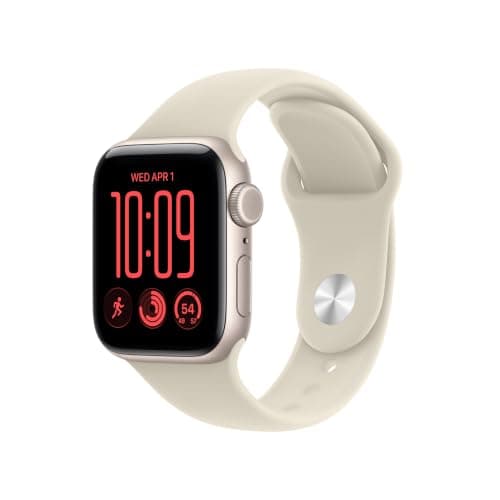
Apple Apple Watch SE 3 (GPS + Cellular)
Apple Watch SE 3 (GPS + Cellular)

Location sharing, calls to approved contacts, fall detection and Emergency SOS, with no tracker-company subscription — the cost is a carrier line you may already be able to add cheaply.

A teenager who will actually keep it onPlan required

Carrier line

$299.00Amazon
02
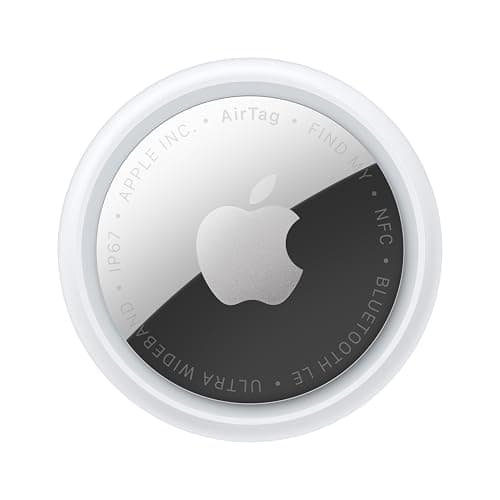
Apple Apple AirTag (2nd generation)
Apple AirTag (2nd generation)

A no-fee tag in the bag answers the question most parents are really asking, which is where the bag with the laptop in it went. It is a finder, and it is designed to alert anyone carrying it.

The backpack, not the teenagerNo monthly fee

$0 + batteries

$24.00Amazon
03
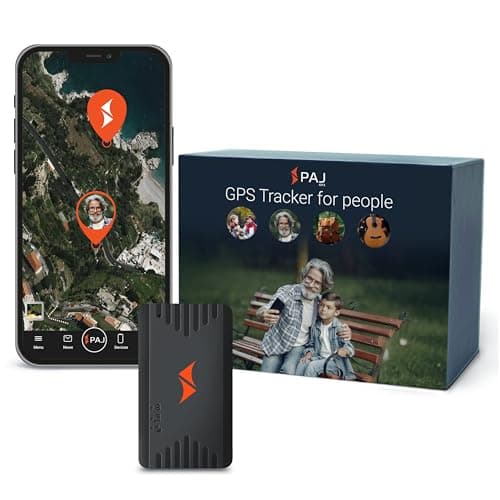
PAJ GPS PAJ 4G tracker for kids and seniors
PAJ 4G tracker for kids and seniors

A pocket-sized 4G unit with an SOS button and geofence alerts, for a teenager who does not have a phone or will not carry one. A plan is required and PAJ does not publish a rate we can cite.

A cheap device with a real SOS buttonPlan required

Plan required

$29.99Amazon
04
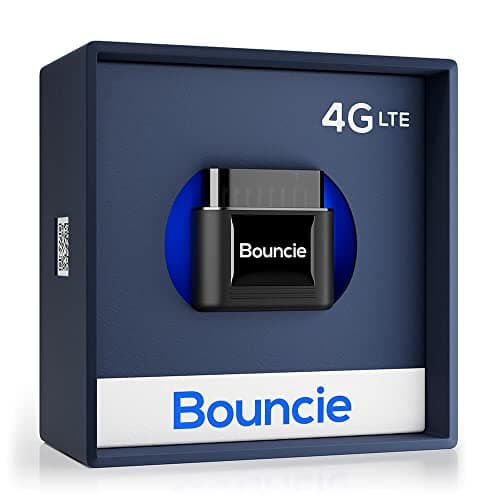
Bouncie Bouncie OBD-II tracker
Bouncie OBD-II tracker

If the anxiety is about a new driver rather than a missing teenager, the device belongs in the car: trip reports, speed and hard braking you can actually discuss. A subscription, and for that job it earns it.

When the real worry is the drivingPlan required

Plan required

$89.99Amazon

#ad · Live prices from Amazon's product API, as of October 22, 2026. Where we have no verified live price we show none — a gap beats a number that has rotted. Plan figures are the brands' own published rates, cited in Sources below.

In detail

The picks, in full

Apple Apple Watch SE 3 (GPS + Cellular)
$299.00View on Amazon

Price as of October 22, 2026. Prices move — Amazon's at checkout is the one that counts.

#ad · we may earn a commission from this link to Apple Watch SE 3 (GPS + Cellular)

Top pickPlan required#01 · Apple

Apple Watch SE 3 (GPS + Cellular)

A teenager who will actually keep it on

Location sharing, calls to approved contacts, fall detection and Emergency SOS, with no tracker-company subscription — the cost is a carrier line you may already be able to add cheaply.

The subscription reality

The watch needs its own cellular line from your carrier to work away from the phone, which is a monthly cost from the carrier rather than from Apple. Pricing varies by carrier, so we are not printing a figure.

Specs, as published by Apple

  • Full smartwatch with Family Setup, so it works without the child owning an iPhone
  • Location sharing, calls and messages to approved contacts
  • Fall detection and Emergency SOS

Good

  • It is a watch a kid will actually keep on, which no dedicated tracker manages
  • Fall detection and SOS are real safety features, not marketing ones
  • No tracker-company subscription — the cost is a carrier line you may already be able to add cheaply

Not so good

  • Needs a cellular line from your carrier
  • Expensive
  • A child can take a watch off; a tracker sewn into a bag cannot be

Skip it if

the wearer cannot be trusted to keep it on and charged — a dedicated tamper-proof tracker is the right call then.

Apple Apple AirTag (2nd generation)
$24.00View on Amazon

$29.0017% off

Price as of October 22, 2026. Prices move — Amazon's at checkout is the one that counts.

#ad · we may earn a commission from this link to Apple AirTag (2nd generation)

No monthly fee#02 · Apple

Apple AirTag (2nd generation)

The backpack, not the teenager

A no-fee tag in the bag answers the question most parents are really asking, which is where the bag with the laptop in it went. It is a finder, and it is designed to alert anyone carrying it.

The subscription reality

No subscription. The only recurring cost is a CR2032 roughly once a year, which is pennies.

Over three years:
about $3 in coin cells

Specs, as published by Apple

  • User-replaceable CR2032 coin cell; Apple states it runs more than a year
  • IP67 (1 m for up to 30 minutes, IEC 60529)
  • Ultra Wideband Precision Finding, 1.5x the range of the first generation
  • Speaker 50% louder than the first generation

Good

  • No subscription, and Apple has never charged one
  • The Find My network is the largest crowd network in the world, so a lost AirTag in a populated area usually reports within minutes
  • Precision Finding walks you to it by distance and direction, not just a map pin
  • Battery is a coin cell from any supermarket, not a sealed pack

Not so good

  • iPhone only for setup and full use — there is no Android app
  • It has no GPS of its own: it reports when an Apple device walks past it, so it is a finder, not a tracker
  • No keyring hole, so you are buying a holder as well

Skip it if

you are on Android, or you need to watch something move in real time — an AirTag only knows where it was when someone last walked past it.

PAJ GPS PAJ 4G tracker for kids and seniors
$29.99View on Amazon

Price as of October 22, 2026. Prices move — Amazon's at checkout is the one that counts.

#ad · we may earn a commission from this link to PAJ 4G tracker for kids and seniors

Plan required#03 · PAJ GPS

PAJ 4G tracker for kids and seniors

A cheap device with a real SOS button

A pocket-sized 4G unit with an SOS button and geofence alerts, for a teenager who does not have a phone or will not carry one. A plan is required and PAJ does not publish a rate we can cite.

The subscription reality

A cellular tracker needs a data plan to report its position. This brand does not publish a plan rate we can cite, so treat the device price as a deposit rather than the cost.

Specs, as published by PAJ GPS

  • 4G cellular with an SOS button
  • Geofence alerts
  • Pocket or lanyard sized

Good

  • Cheap device with a real SOS button
  • Geofencing included
  • Simple app

Not so good

  • Plan required
  • Plan rate not published statically
  • Short battery life

Skip it if

the wearer will not carry it. A device in a drawer protects nobody.

Bouncie Bouncie OBD-II tracker
$89.99View on Amazon

Price as of October 22, 2026. Prices move — Amazon's at checkout is the one that counts.

#ad · we may earn a commission from this link to Bouncie OBD-II tracker

Plan required#04 · Bouncie

Bouncie OBD-II tracker

When the real worry is the driving

If the anxiety is about a new driver rather than a missing teenager, the device belongs in the car: trip reports, speed and hard braking you can actually discuss. A subscription, and for that job it earns it.

The subscription reality

Bouncie's own pricing page states a monthly subscription is required per device and advertises no contracts, no hidden fees and no activation fees, but the page renders its figures in script rather than in the page, so we are not printing a number we cannot cite. Check it at checkout.

Specs, as published by Bouncie

  • OBD-II port, vehicle-powered
  • Reports trips, speed and diagnostics as well as location
  • 4G LTE

Good

  • The best app and trip reporting of the OBD dongles
  • No charging
  • Month-to-month with no contract per Bouncie's own pricing page

Not so good

  • Subscription required per device
  • OBD dongle, so visible
  • Diagnostics are the selling point; if you only want location it is more than you need

Skip it if

you only want a dot on a map. You are paying for trip analytics and engine codes you may never open.

Which one, by age and situation

Twelve to fifteen, no phone yet: a cellular smartwatch. They will wear it, it calls you, and it has an SOS. This is the single best-fitting product in the category.

Fifteen and up, has a phone: use the phone. Built-in family location sharing on both platforms is free, accurate and already installed. Add a no-fee tag to the backpack for the object problem and spend nothing else.

New driver: put the device in the car, not on the kid, and choose one that reports driving behavior rather than just position. The conversation it enables is the point.

A teenager who will not carry a phone, or whose phone is taken at school: a pocket cellular unit with an SOS button, and ask for the plan rate in writing before you buy.

Three things that make any of this work

Battery discipline. Every failure in this category is a flat battery. A watch charges nightly, a tag lasts a year, a cellular pocket unit needs charging every few days and is the one that will be dead when you need it.

Agreed rules for looking. “I check if you are more than an hour late or you do not answer” is a rule a teenager can live with. Checking constantly is how the device ends up in a drawer and the trust ends up gone.

An exit plan. Say at the start when it stops: a birthday, a school year, a milestone. A monitoring arrangement with no end date is the one teenagers resist hardest, and they are right to.

What about the anti-stalking alerts?

They are on your side here, even though they look like an obstacle. A tag in your teenager's bag will eventually announce itself to their phone, which is the system working as designed — it exists to stop covert tracking of adults. Since a covert setup was never going to survive anyway, treat the alert as the prompt for the conversation you should have had first. What each alert does and when it fires.

The option nobody sells you

Family location sharing on the phone they already own, switched on together, with the rules agreed out loud. It costs nothing, it is more accurate than any consumer tracker, and it is the arrangement most families actually end up with after they have bought something else first. Buy hardware when there is a specific gap it fills — not as a substitute for the conversation.
How we picked

We did not lab-test these trackers

Everyone in this category claims to have tested twenty devices. We have not tested any of them, and we say so on every page. What we did instead: read each manufacturer's published specifications and cite them with the date, find the actual subscription price and cite that too, and work out what thirty-six months of ownership costs at those published figures. Device prices come live from Amazon's API and expire after 48 hours rather than going stale. Where a figure could not be sourced to the manufacturer, the page says the spec is unconfirmed rather than borrowing it from a competitor's review. The full method is on the methodology page.

Working out what a tracker really costs? See the three-year cost of every tracker, compared.

Questions

Frequently asked

What is the best GPS tracker for a teenager?
For a younger teenager without a phone, a cellular smartwatch such as the Apple Watch SE: location sharing, calls to approved contacts, fall detection and Emergency SOS, with no tracker-company subscription — just a carrier line. For an older teenager who already has a phone, the built-in family location sharing on either platform is better and free, and the thing worth buying is a no-fee tag for the backpack.
Is there a GPS tracker for teens with no monthly fee?
Bluetooth tags, yes — an AirTag or a Chipolo in a backpack has no fee at all, and the only cost is a coin cell about once a year. Anything that reports live position from anywhere has a SIM in it and therefore a monthly plan, with no exceptions. The middle path most families miss is a smartwatch: there is no tracker-platform subscription, only a carrier line you may be able to add cheaply to an existing plan.
Should you track your teenager without telling them?
It does not work, before you even get to whether it is right. Both iPhone and Android alert someone traveling with an unknown tracker, a tag separated from its owner starts chiming, watches come off and pocket units get left behind. Every arrangement that survives more than a few weeks is one everybody knows about. Agree what is shared, when you would look, and when the arrangement ends — that is what makes it durable.
Is it legal to track your teenager?
Tracking your own minor child is generally lawful in the United States, and the picture changes at eighteen, in shared-custody situations, and when the vehicle is registered to the teenager rather than to you. Several state statutes on electronic tracking devices turn on consent and on vehicle ownership. Read our legal overview and check your own state, and treat a birthday as a date when the answer may change. This is not legal advice.
Should I track my teen driver or the car?
The car, and choose a device that reports driving behavior rather than only position. A tracker in the vehicle gives you trip reports, speed and hard braking, which are things you can discuss and which actually reduce the risk you are worried about. A tracker on the teenager tells you where they are, which is a different and usually smaller concern. Our teen-driver page ranks the devices built for coaching rather than surveillance.

Read next

Where the figures came from

Sources

Every specification and plan price on this page traces to one of these, read on the date shown. Device prices are live from Amazon and stamped separately.

  1. Apple — AirTag product page (battery, IP67, Precision Finding) — accessed 2026-10-05
  2. California Penal Code § 637.7 — electronic tracking devices — accessed 2026-10-05
  3. Bouncie — pricing page (subscription required per device, no contract) — accessed 2026-10-05
  4. Amazon Product Advertising / Creators API — live prices and product images — accessed 2026-10-05