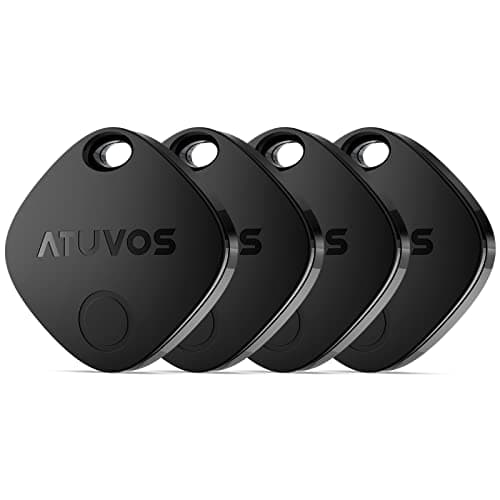
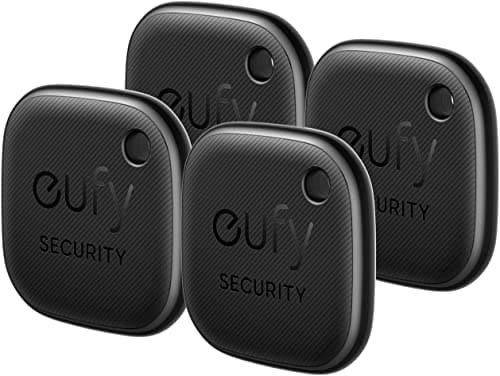
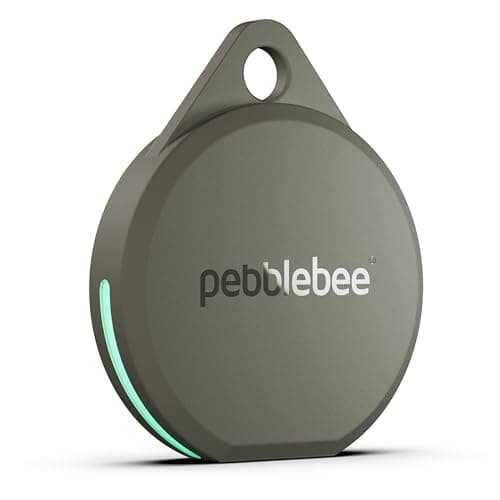
Almost everyone buys one tracker, puts it on their keys, and six months later wishes they had bought four. The useful question is not “which tag” but how many, and where.
The plan that works: one good, several cheap
One good tag on the item you lose most often and search for in a panic — for most people, keys. This is where a loud siren or a directional arrow genuinely changes the experience, and where paying three times as much is worth it.
A cheap multi-pack for everything else. A four-pack of Find My or Find Hub tags costs about what one first-party tag does, and those tags ride exactly the same crowd network. For a suitcase in a baggage hall, the expensive tag performs no better.
That arrangement — one good plus four cheap, for the price of about two good tags — covers five things instead of two. The marginal value of the fifth tag is higher than people expect, because the thing that goes missing is never the one you tagged.
What to tag, in order of payoff
1. Keys. Highest-frequency loss, and the most expensive if genuinely lost — a modern car key can cost several hundred dollars to replace.
2. Luggage. Highest-value single save. A bag that goes astray in an airport reports from inside the building, often before the airline will admit it is lost.
3. Wallet, if it travels separately from your keys. If they share a pocket, skip it — one tag covers both.
4. Laptop or work bag. High value, and the separation alert is worth more here than the finding.
5. Spare keys. Cheap insurance against the locksmith.
6. Tool bag, bike, instrument case, sports kit. Whichever applies.
What not to bother tagging
Your phone. Both platforms already find it, and a tag on a phone is redundant. What is worth having is the reverse: a tag that rings your phone from a button on the tag, which most of them do.
Anything that never leaves one room. A TV remote is a legitimate exception because people genuinely lose those, but a tag with no crowd network is fine for it and cheaper.
Individual tools or individual lenses, at least to begin with. Tag the case; whole cases are what leave in a van break-in.
A pet, if it genuinely roams. A tag is the wrong category for a dog that runs into open country, and buying one for that job is the most common mistake on this site. That decision is here.
When two tags on one item is right
Three cases, and in each the second tag costs almost nothing against the exposure:
Anything a thief might sweep. Tools, a bike, an expensive camera bag. One tag somewhere findable and one hidden properly: a thief who finds the first assumes the job is done and leaves the second reporting.
A dog that matters. One on the collar, one sewn into a harness — because collars come off, and a collar in a hedge with the only tracker on it is the likeliest bad outcome.
Checked luggage. One hidden in the lining, one elsewhere in the case, so a removed tag does not end the search.
Mixing networks deliberately
One underused trick for a household running both iPhone and Android: two tags on the shared keys, one per network. Both people find the keys from their own phone, both tags sit on a major network, and there is no subscription — which is cheaper and better than buying a Tile for the same purpose.
Inelegant, works perfectly, and almost nobody suggests it.
Budget, worked through
Under $40: one good loud tag on your keys. Correct choice if you only lose one thing.
Around $60: one good tag plus a cheap four-pack. Five items covered, and the arrangement we would buy for most households.
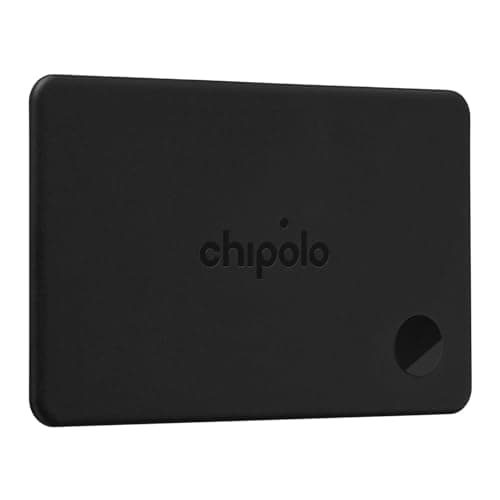
Around $100: add a card tracker for a wallet that travels separately, and a second tag on whatever matters most.
Beyond that you are into cellular territory, which is a different purchase entirely and only worth it for a vehicle, a roaming animal or a person. The cost table shows why.
The maintenance point, since it scales
Once you own five tags, keeping them alive becomes a real task. Two habits: put one annual reminder in your own calendar rather than relying on low-battery notifications, and when you replace one cell, check the others while the pack is open — they were bought at the same time and will die at the same time.