Everyone knows someone who loses their keys twice a week, and a tracker is an unusually good present for them: it is genuinely useful, it costs under forty dollars, and — if you buy the right one — it has no subscription for them to worry about.
It is also the gift where getting one detail wrong makes it useless. So before anything else:
The one question: what phone do they have?
A tracker has no idea where it is. It works by being heard by other people's phones, which means it has to belong to a network your recipient's phone can actually use.
iPhone → an AirTag or any Apple Find My tag. The largest network in the world.
Samsung Galaxy → a SmartTag2, which has the longest battery life of any tag. It needs a Galaxy specifically, not just Android.
Any other Android — Pixel, OnePlus, Motorola → a Chipolo, Pebblebee or Motorola Moto Tag.
You genuinely do not know → a Chipolo LOOP. It works on either platform and they pick when they set it up, which makes it the only truly safe gift in this category.
An AirTag given to an Android user is a paperweight. There is no app for it. This is the single most common mistake made in buying these as presents.
What they will have to add
Nothing, for most of these. No subscription, no account upgrade, no monthly anything — Apple, Google and Samsung all run their finding networks free, so the present is the whole purchase.
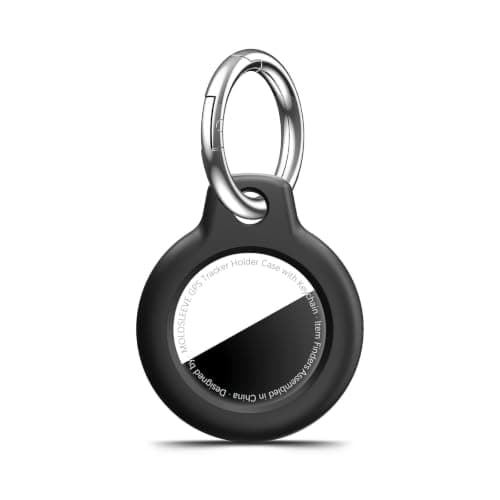
Except a holder, if you buy AirTags. An AirTag has no hole in it, so it cannot go on a keyring without a shell. Buy a cheap multi-pack of holders alongside and the gift is complete; forget it and they will have to make a second purchase to use your present.
And a USB-C cable, for a rechargeable tag. Chipolo and Pebblebee ship without one. Most households have several, but worth knowing.
The short answer
Quick picks
Ranked by what each one costs to own for three years, not by sticker price. The plan column is the one most comparisons leave out.
| # | Product | Best for | Plan / 3 yr | Price |
|---|
| 01 | | Best gift if they have an iPhone | No monthly fee $0 + batteries | $89.00·Amazon |
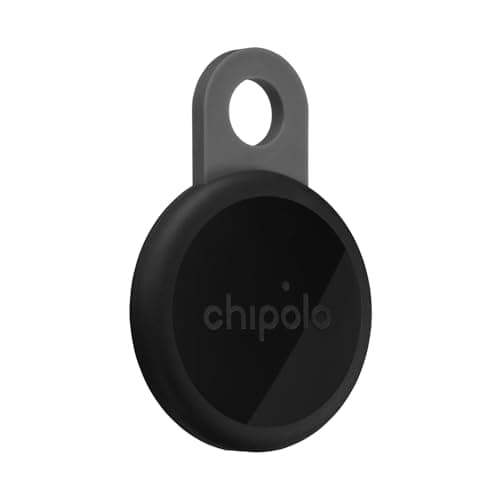
| 02 | Chipolo LOOPThe safest choice for a gifter: it works on iPhone or Android, chosen when they set it up. Loud, with a keyring loop, and nothing to subscribe to. | Best gift if you are not sure which phone | No monthly fee $0 | $33.15·Amazon |
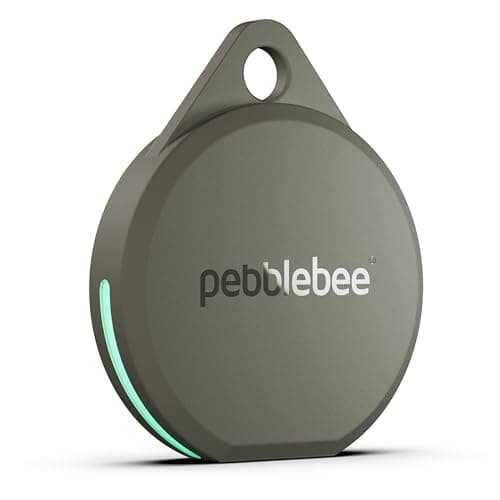
| 03 | Pebblebee Clip 5A 130 dB stated siren — audible through a sofa from the next room. If their problem is their own house rather than the wider world, this is the one. | Best for someone who loses things at home | No monthly fee $0 | $27.99·Amazon |
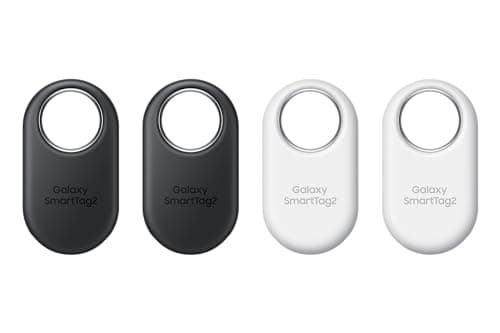
| 04 | Samsung Galaxy SmartTag2500 stated days of battery and a hole for the keyring. Only works with a Galaxy though, so check the phone before you buy. | Best if they have a Samsung Galaxy | No monthly fee $0 + batteries | $52.78·Amazon |
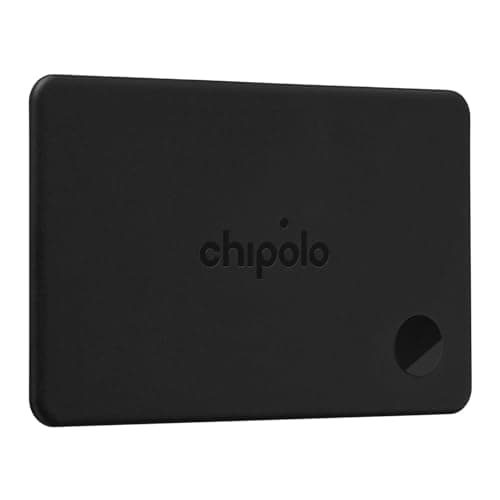
| 05 | Chipolo CARDRechargeable, so it will not stop working in two years like the older wallet cards did. Works on either phone platform. | Best for a wallet | No monthly fee $0 | $33.14·Amazon |
| 06 | AirTag keyring case (multi-pack)AirTags have no keyring hole, which is the detail that catches gifters out. A few dollars for a shell turns a nice present into a usable one. | The thing to add if you buy AirTags | No monthly fee $0 | $4.99·Amazon |
#ad · Live prices from Amazon's product API, as of October 8, 2026. Where we have no verified live price we show none — a gap beats a number that has rotted. Plan figures are the brands' own published rates, cited in Sources below.
In detail
The picks, in full
Top pickNo monthly fee#01 · Apple
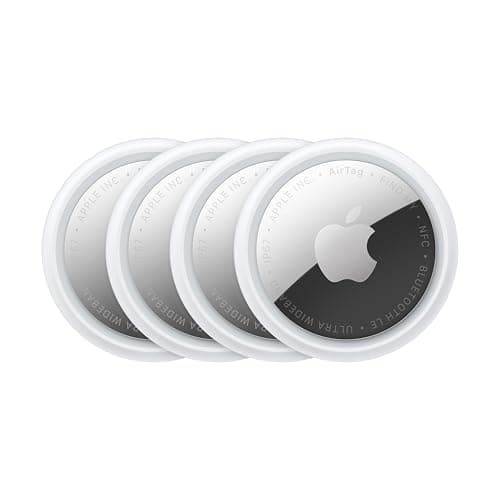
Apple AirTag 4-pack (2nd generation)
Best gift if they have an iPhone
Four tags means keys, wallet, bag and car all covered in one present, on the largest finding network there is. No subscription, ever.
The subscription reality
No subscription. The only recurring cost is a CR2032 roughly once a year, which is pennies.
- Over three years:
- about $3 in coin cells
Specs, as published by Apple
- ·Four 2nd-generation AirTags
- ·User-replaceable CR2032 each; Apple states more than a year per battery
- ·IP67 (1 m for up to 30 minutes, IEC 60529)
- ·Ultra Wideband Precision Finding
Good
- +Cheaper per tag than buying singles, and the per-tag cost is the only cost
- +Covers keys, wallet, car, and a bag in one purchase
- +Nothing to renew, ever
Not so good
- −iPhone only
- −Four holders is four more purchases
- −Overkill if you only ever lose one thing
Skip it if
you only need one tag — buy the single and save the difference, there is no subscription saving to chase here.
No monthly fee#02 · Chipolo
Chipolo LOOP
Best gift if you are not sure which phone
The safest choice for a gifter: it works on iPhone or Android, chosen when they set it up. Loud, with a keyring loop, and nothing to subscribe to.
The subscription reality
No subscription, now or later. The purchase price is the whole cost of ownership.
- Over three years:
- $0
Specs, as published by Chipolo
- ·Rechargeable over USB-C; Chipolo states about a year per charge
- ·IP67, up to 30 minutes in 1 m of water
- ·About 125 dB stated alarm
- ·Up to 120 m (400 ft) stated Bluetooth range
Good
- +Works with Apple Find My or Google Find Hub, so it is the one tag you can buy without knowing which phone you will own next
- +No subscription at all, and Chipolo's own app features are free
- +Loud — 125 dB stated is well above an AirTag
- +Built-in loop, so it goes straight on a keyring
Not so good
- −You pick one network at setup; switching later means a reset
- −Rechargeable means a dead tag is a tag you have to find a cable for, not swap a coin cell into
- −USB-C cable is not in the box
Skip it if
you would rather drop in a fresh coin cell than remember to charge a keyring once a year.
No monthly fee#03 · Pebblebee
Pebblebee Clip 5
Best for someone who loses things at home
A 130 dB stated siren — audible through a sofa from the next room. If their problem is their own house rather than the wider world, this is the one.
The subscription reality
No subscription, now or later. The purchase price is the whole cost of ownership.
- Over three years:
- $0
Specs, as published by Pebblebee
- ·Rechargeable over USB-C; Pebblebee states up to 12 months per charge
- ·130 dB stated siren
- ·IP66 water resistance
- ·Works with Apple Find My or Google Find Hub
Good
- +130 dB stated siren is the loudest claim of any mainstream tag — it is the one you can hear through a sofa
- +No subscription
- +Dual-network, and Pebblebee states it has no access to your location data
- +12 months per charge is a real year, not a marketing year
Not so good
- −IP66 rather than IP67, so it is rain-rated rather than dunk-rated
- −Charge cable not included
- −One network per tag, chosen at setup
Skip it if
the tag will live somewhere that gets properly submerged — a dog's water bowl, a kayak — where IP67 is the floor.
No monthly fee#04 · Samsung
Samsung Galaxy SmartTag2
Best if they have a Samsung Galaxy
500 stated days of battery and a hole for the keyring. Only works with a Galaxy though, so check the phone before you buy.
The subscription reality
No subscription. The only recurring cost is a CR2032 roughly once a year, which is pennies.
- Over three years:
- about $3 in coin cells
Specs, as published by Samsung
- ·Replaceable CR2032; Samsung states up to 500 days
- ·IP67 (1 m freshwater up to 30 minutes)
- ·Bluetooth LE 5.3, up to 120 m stated range, plus UWB
- ·28.8 x 52.44 x 8.0 mm, 13.75 g
Good
- +500 days of stated battery life is the longest claim of any mainstream tag
- +No subscription, and SmartThings Find is free
- +UWB gives Samsung phones the same walk-to-it precision iPhones get with AirTag
- +Has a built-in hole, so no holder needed
Not so good
- −Galaxy devices only — Samsung requires a Galaxy phone or tablet on Android 9 or newer
- −SmartThings Find is a smaller network than Apple's Find My
- −Physically the largest of the mainstream tags
Skip it if
your phone is not a Galaxy. A Pixel or a OnePlus will not set this up, whatever the box implies about Android.
No monthly fee#05 · Chipolo
Chipolo CARD
Best for a wallet
Rechargeable, so it will not stop working in two years like the older wallet cards did. Works on either phone platform.
The subscription reality
No subscription, now or later. The purchase price is the whole cost of ownership.
- Over three years:
- $0
Specs, as published by Chipolo
- ·Credit-card form factor, rechargeable
- ·Works with Apple Find My or Google Find Hub
- ·No subscription for any feature
Good
- +Actually card-shaped, so it sits in a note slot without bulging the wallet
- +Rechargeable, so no sealed two-year death date like the first wallet cards had
- +Dual-network
Not so good
- −Needs charging, and a wallet card is the easiest thing to forget to charge
- −Thicker than a real credit card
- −Alarm is quieter than a keyring tag, as every card tracker's is
Skip it if
your wallet is already tight — measure the slot before you buy any card tracker.
No monthly fee#06 · MOLOSLEEVE
AirTag keyring case (multi-pack)
The thing to add if you buy AirTags
AirTags have no keyring hole, which is the detail that catches gifters out. A few dollars for a shell turns a nice present into a usable one.
The subscription reality
No subscription, now or later. The purchase price is the whole cost of ownership.
- Over three years:
- $0
Specs, as published by MOLOSLEEVE
- ·Shockproof shell with a keyring
- ·Fits 1st and 2nd generation AirTag
- ·Multi-pack
Good
- +Solves the AirTag's missing keyring hole for pocket change
- +Protects the shell
- +Multi-pack
Not so good
- −Adds bulk
- −Cheap plastic
- −Does not improve the alarm
Skip it if
you are using a Chipolo or SmartTag2 — those already have a hole.
Choosing by who they are
The person who loses their keys in their own house
Buy the loudest tag, not the cleverest. Their problem is not finding which city the keys are in — it is finding which cushion. Pebblebee states 130 dB and Chipolo about 125 dB, both audible through furniture; an AirTag is quieter.
The person who travels constantly
A four-pack, for every bag. Airports and baggage halls are full of phones, which is exactly where these work best, and the bag that goes astray is never the one you tagged.
The person who is always late because they cannot find their wallet
A card tracker, and specifically a rechargeable one. The older wallet cards had sealed batteries and simply stopped working after two or three years, which is a poor thing to give someone.
The cyclist
A tag plus a bolt-on bike mount, which hides it under a bottle cage where a thief will not check first. Or a Knog Scout, which adds a motion alarm.
The person with a dog
Careful here. A tag in a waterproof collar holder is a lovely small gift for a dog that gets lost in a neighborhood. For a dog that genuinely runs into open country, a tag will not work and the real answer is a cellular collar costing hundreds over three years — which is a conversation rather than a surprise. The dog options are here.
An older relative who mislays things
This is one of the highest-value gifts on the page and almost nobody thinks of it. Keys, handbag, walking stick, glasses case, TV remote — all tag jobs, all costing nothing to run, and all removing a recurring source of distress.
One practical point that decides whether it gets used: set it up on your phone and share it with them if they are not comfortable with apps. Then you can find their keys over the phone, which is what actually happens.
What not to buy as a gift
Anything with a subscription. A present that generates a monthly bill for the recipient is not a present. All the tags on this page are free to run; cellular GPS trackers are not, and gifting one means gifting someone a $9-to-$15 monthly commitment they did not ask for.
A sealed-battery tracker. It expires. Avoid giving someone something that will stop working and need buying again.
A tracker for a person, without asking them. A tag in a partner's or an adult relative's bag is not a gift, both platforms will alert them to it, and in many places it is unlawful. The legal position is here.
The honest summary for a gifter
Check their phone. Buy a four-pack rather than a single, because the marginal value of the fourth tag is high. Add holders if you are buying AirTags. And spend the extra few dollars on the louder option, because almost everything in this category is lost indoors.
How we picked
We did not lab-test these trackers
Everyone in this category claims to have tested twenty devices. We have not tested any of them, and we say so on every page. What we did instead: read each manufacturer's published specifications and cite them with the date, find the actual subscription price and cite that too, and work out what thirty-six months of ownership costs at those published figures. Device prices come live from Amazon's API and expire after 48 hours rather than going stale. Where a figure could not be sourced to the manufacturer, the page says the spec is unconfirmed rather than borrowing it from a competitor's review. The full method is on the methodology page.
Working out what a tracker really costs? See the three-year cost of every tracker, compared.
Read next
Related
The table behind every recommendation on this site: device, plan, and what thirty-six months actually comes to.
The same approach for someone who flies constantly.
The full roundup, if you want to compare properly.
Where loudness is the specification that matters.
Four questions that eliminate most of the market before you look at a single specification.