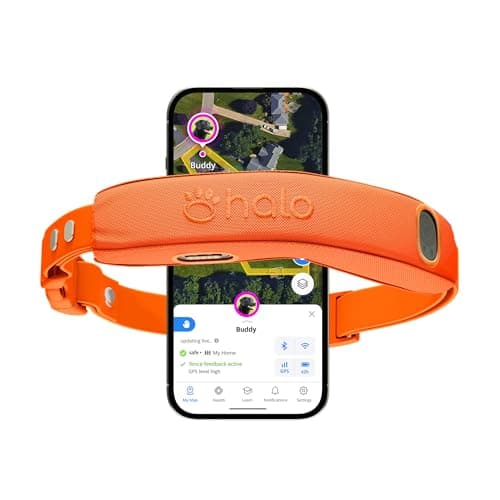
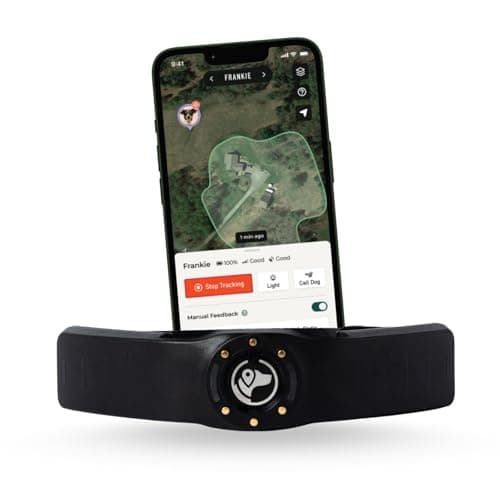
SpotOn is the better fence for open land and a serious dog: the boundaries can be drawn anywhere, including away from home, and the hardware is built for working breeds. Halo is the better-presented product with the stronger app and training content, and its features are tiered behind a subscription — so what it costs depends on which tier contains the thing you wanted. Before either: look up at your trees.
The limit they share, which decides most buyers
Both products contain the collar inside a GPS boundary. GPS needs a clear view of the sky, and accuracy degrades under heavy canopy and between buildings. A containment fence whose boundary drifts by several meters is worse than no fence at all, because the dog gets corrected for standing still and learns the system is arbitrary.
So the first question is not Halo or SpotOn. It is whether your property is open enough for GPS containment to be reliable. Wooded land, deep valleys and yards hemmed in by tall buildings are where both of these disappoint, and no amount of subscription tier fixes physics. How position accuracy actually behaves.
Axis 1: funding — the real difference
Halo tiers its features behind subscription levels, which is the model this site is most skeptical of: you have bought the hardware, and the capability it already contains is gated by a monthly payment. SpotOn charges more up front, and its away-from-home tracking relies on a cellular plan because that part genuinely needs airtime.
Both have recurring costs. The distinction worth making is between a fee that pays for something ongoing — carrier data — and a fee that unlocks a feature already sitting in the collar. Price three years of whichever tier you need and compare that to the purchase price before deciding either one is expensive. The three-year cost table is the honest basis for that.
Axis 2: hardware and build — SpotOn
SpotOn's collar is the more rugged of the two and is built with working breeds in mind. Halo's is the more consumer-friendly package. If the dog is a large, strong, outdoor animal, that difference shows up quickly.
Axis 3: software and training — Halo
Halo's app and its bundled training content are genuinely better, and containment training is the part most owners underestimate. A wireless fence is a training program with hardware attached, not a hardware product: a dog that has not been taught the boundary will cross it regardless of which collar is on it.
Axis 4: tracking away from the fence — both, with a plan
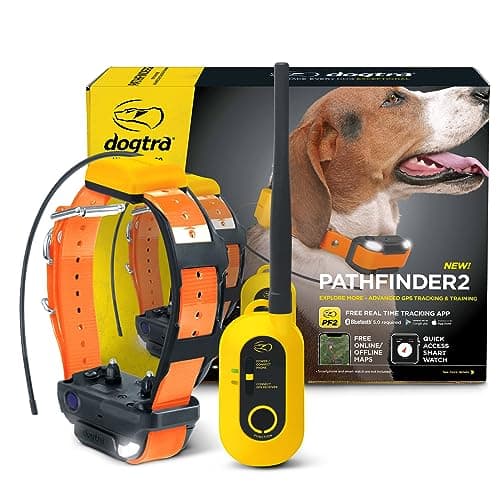
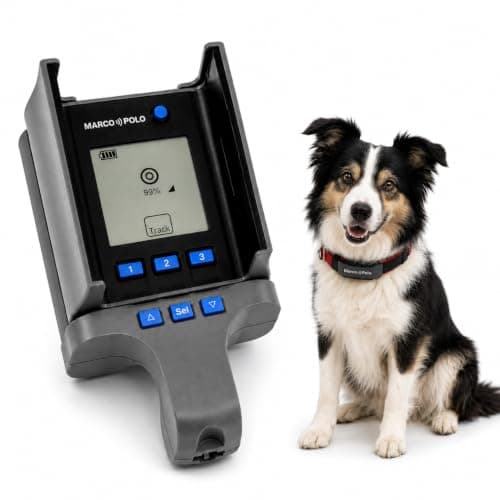
Both will tell you where the dog is once it is outside the boundary, and both need cellular coverage to do it. In a rural dead zone — which is exactly where large open properties tend to be — neither reports. That is the point at which a radio system, which has no network at all, becomes the better purchase.
Which one, plainly
Open acreage and a working dog: SpotOn. The build quality and the draw-anywhere fences are what you are paying the premium for.
A suburban yard, a cooperative dog, and you want help training: Halo, with the tier list read carefully first.
Wooded property: neither. GPS containment under canopy is unreliable, and an unreliable fence teaches the dog the wrong lesson. Physical fencing plus a tracker is the honest answer.
What you actually want is to know where the dog went: neither. Buy tracking rather than containment — radio if there is no coverage, cellular if there is. The dog tracker rankings are here.
The no-fee alternative to a wireless fence
There is no such thing as a no-fee GPS containment collar in any useful sense: the away-from-home half needs airtime, and the feature tiers need a plan. What exists with no fee is tracking — radio systems with no network, and Bluetooth tags that cost nothing forever. If the monthly bill is the sticking point, the honest move is to buy a physical fence and a no-fee tracker rather than a cheaper GPS fence. The no-monthly-fee containment options, and what they really are.
Before you buy either
Walk the boundary you intend to draw with a phone showing your GPS accuracy. If it wanders by more than a few meters under the trees along that line, you have your answer, and you have saved several hundred dollars. Then confirm, in writing, which subscription tier contains the features you are buying the collar for — on Halo in particular that is the number that decides the real cost.