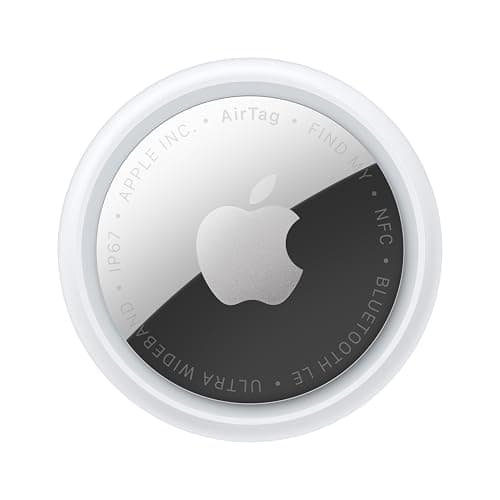
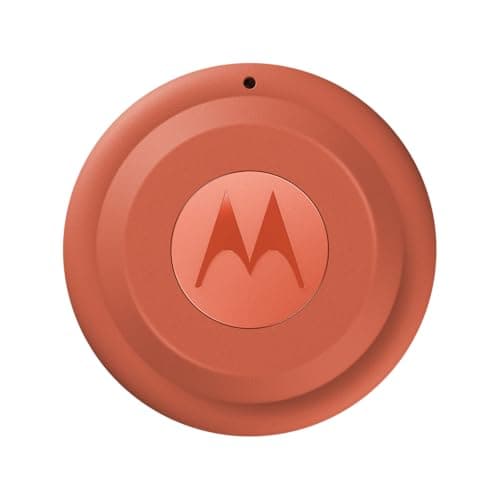
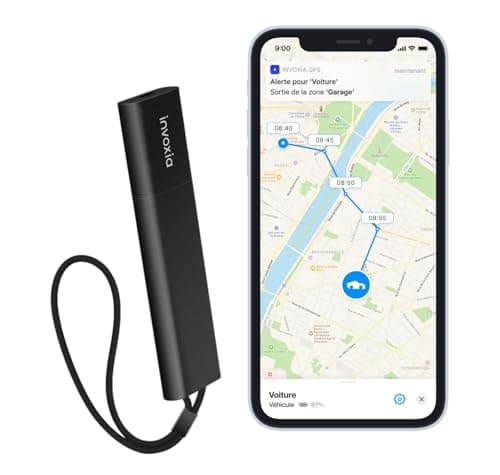
For a scooter worth a serious amount of money, the Invoxia GPS Tracker PRO is the pick: it is built for bikes and motorcycles, its battery is measured in weeks rather than days, and its motion and tow alert is the right mechanism for a vehicle that is stolen while parked rather than driven away with you on it. For a city commuter scooter, the honest answer is cheaper: a no-fee tag hidden in the stem or under the deck — an AirTag on iPhone, a Moto Tag 2 on Android — because urban crowd networks are dense enough to make it work and there is nothing to pay each month.
Start with the practical problem that most scooter tracker advice ignores. Scooters have no bottle-cage bosses. Almost every purpose-made bike tracker mount — including the alarmed bolt-on units we recommend on the bike page — attaches to the two threaded bosses on a bicycle frame that hold a water bottle. A scooter does not have them. So the mounting options are adhesive, cable-tied, or inside the body, and that changes the shortlist before any specification does.
The five things that decide this
1. Where can it physically hide? A scooter is a small object with very little dead space. The realistic places are the inside of the stem tube, under the deck plate next to the pack, inside a mudguard or the rear light housing, inside the handlebar tube behind a grip end cap, and the folding-clamp cavity on some models. Each of those is small, so physical size matters more here than on a car or a machine.
2. Is there power, and is it the right voltage? Most electric scooters run a 36V or 48V battery pack. Consumer hardwired trackers are built for a 12V automotive supply, and connecting one straight to a scooter pack destroys the tracker. If you want a wired install you need a DC-DC step-down converter rated for your pack, fused, and ideally fitted by someone who has done it before — the same voltage trap we flag on golf carts.
3. How many phones go past where it gets stolen? This decides whether a no-fee tag is enough. A Bluetooth tag has no GPS and no SIM: it reports when a participating phone walks past it. Scooters are overwhelmingly an urban product, stolen from racks outside shops, apartment hallways, building bike rooms and university buildings — all places thick with phones. That makes a tag genuinely effective here, which is not true of a trailer in a field. Where it was versus where it is is still the limit to understand.
4. Will it survive, and will you notice the weight? A scooter is rained on, splashed from below, vibrated hard by small wheels on bad tarmac, and carried up stairs. Anything mounted outside the body needs a waterproof housing; anything inside needs to not rattle loose. Weight matters more than people expect on a scooter you lift onto a train.
5. What does it cost over three years? A tag is a one-off purchase plus about a dollar a year in coin cells. A cellular tracker is hardware plus a plan every month, and the plan is the larger half: at a published $12.95 a month paid annually, three years is $466.20 — frequently more than the scooter is worth. The prepaid devices fold the service into the purchase instead, which is usually the right shape for a vehicle in this price class. Every plan, costed over thirty-six months.
Opening the deck: read this before you unscrew anything
The deck is where the battery lives, and it is also the only genuinely concealed cavity on most scooters. Three cautions, in order of how much they will cost you. The deck plate is part of the water sealing, and scooters are rated for splash rather than immersion to begin with — resealing badly is how water reaches a pack. Opening it will often void a warranty, so check yours first. And a lithium pack with a BMS is not a thing to improvise around: never tap the pack directly, never route a cable where the deck plate can pinch it, and if you are not confident, use a non-invasive hiding place or pay a scooter shop for the install.
A tracker is not a lock, and the order matters
Nothing on this page prevents a theft. What stops most scooter theft is a short, hardened chain or a decent U-lock through the stem and a fixed object, parking somewhere overlooked, and not leaving the scooter out overnight. A tracker is what you add after that, so that a theft becomes a location you can hand to police rather than a shrug. Buying a tracker and leaving the scooter unlocked is the most expensive version of this.
The anti-stalking alerts apply here too
Both Apple and Google warn a person who is traveling with an unknown tracker, and a tag separated from its owner will eventually chime. That is deliberate and it cuts both ways: a thief who rides your scooter home with an AirTag on it may get an alert on their own phone and find it. It is a reason to hide the tag properly rather than a reason not to fit one, and it is also a reason to fit two. What those alerts do and when they fire.
Which one, by what the scooter is worth
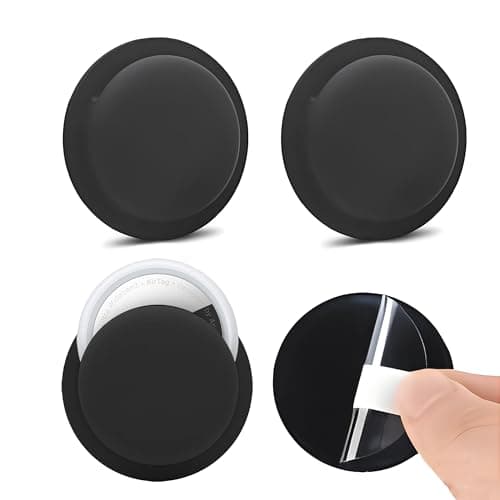
A commuter scooter in a city, iPhone household: an AirTag with a low-profile adhesive mount, hidden in the stem or under the deck. No subscription, dense network, and the whole setup costs less than one month of most cellular plans.
Same, but on Android: the Moto Tag 2 on Google Find Hub. Motorola states IP68 and more than 600 days on a coin cell, which suits a device you want to fit and forget inside the frame.
A high-value scooter, or one parked outside overnight: the Invoxia PRO. Weeks of battery and a tow alert, so you hear about movement rather than discovering it. Confirm the plan cost — that version ships with no subscription included.
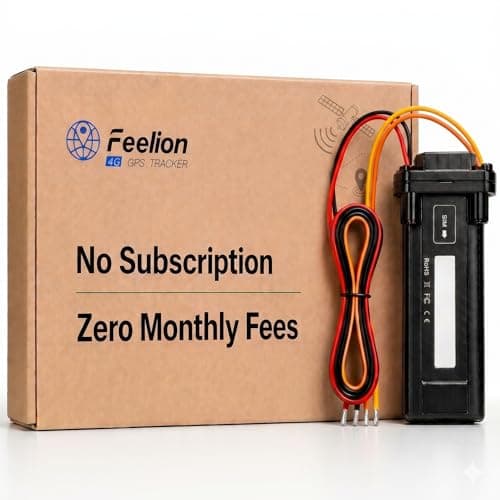
You will wire something in and refuse a monthly bill: the FEELION hardwired unit behind a step-down converter. Hidden, nothing to charge, nothing billed monthly, and genuinely a job for someone comfortable with 48V wiring.
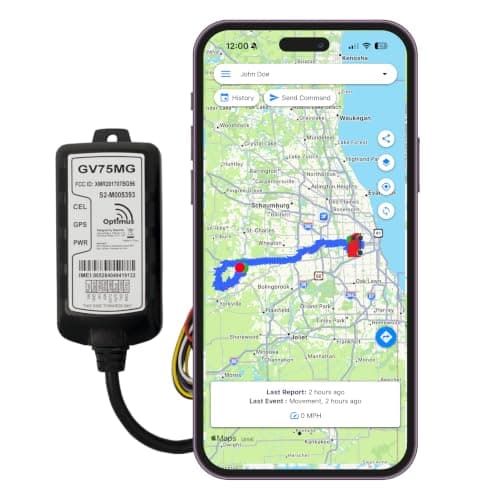
A moped-class scooter that lives on the street: the Optimus GV75MG. The waterproof housing is the reason, and the install and plan are the price of it.
Hiding places, ranked by how long a thief takes to find them
Inside the stem tube or handlebar tube. Best concealment on most scooters, reachable through the bar end or the stem cap, and metal above the device is the thing to watch — leave the device as close to a plastic cover as you can.
Under the deck plate. Excellent concealment, and the caveats in the section above apply in full. Tape or adhesive-mount the device to the underside of the plate rather than letting it float.
Inside the rear mudguard or light housing. Usually plastic, which is good for signal, often enough room for a tag, and invisible without tools.
Under the folding clamp or inside a bag mount. Quick to fit and the first place a knowledgeable thief checks. Fine for a decoy, not for your only device.
Taped to the stem under a bell or reflector. Visible once anyone looks. Use only as the obvious second tag.
Two devices is the configuration that actually works
A thief who finds a tracker stops looking. On a scooter the pairing that makes sense is a cheap tag somewhere findable and a second device deep inside the frame — or, if you have wired a cellular unit into the deck, a tag in the handlebar as the backup. Two no-fee tags in two places costs very little and doubles the chance that one survives. On plan-based devices, a second unit means a second subscription, which is the argument for making the second one a tag.
Signal through a scooter, practically
Aluminum deck plates and steel stems attenuate Bluetooth badly. A tag that works beautifully on a desk can be nearly silent inside a sealed metal tube. Where you have a choice, put the device behind plastic: a mudguard, a light housing, a bar end cap. Where you do not, accept that the effective range is shorter and that the crowd network needs somebody to pass closer. This is also why a cellular tracker is the stronger choice on an expensive scooter: its uplink is designed to punch out of a vehicle body.
Your scooter's own app is not a tracker
Most branded scooters pair to a phone app, and a lot of those apps show a location. Read carefully what that location is: on the majority of consumer scooters it is the position of your phone when it was last connected over Bluetooth, not a live report from the scooter. The moment the scooter is out of Bluetooth range it stops updating, which means the app shows you where you parked and nothing about where it went.
There are exceptions — some higher-end and fleet-oriented models have a SIM and genuinely report their own position, usually with a subscription attached. If your scooter is one of them, that is the best tracker you can have, because it is wired into the vehicle and powered by it. Check the specification rather than the marketing: if the listing does not say cellular, 4G or LTE, assume the app is a Bluetooth convenience and fit your own device anyway.
Write down the serial number today
Scooter serial numbers are usually stamped on the deck or the stem and printed on the box. Photograph both, keep the invoice somewhere that is not the scooter's bag, and note which tracker is fitted where. A recovered scooter with no proof of ownership is a difficult conversation; a serial number plus a purchase record is a short one. If your scooter is registered or insured, keep the policy number in the same note.
If it is stolen
Call the police, give them the location with its timestamp, and keep feeding updates as the pin moves — a tag reports where a passing phone last heard it, so the time on the pin is as important as the address. Do not go yourself: a scooter is not worth a confrontation, and turning up first complicates what officers can do. What police can and cannot do with a tag is worth reading before you need it, as is the recovery sequence for vehicles.
What none of these do
None of them stop a theft, none works inside a basement or a metal shipping container, and no tag reports from a street with nobody on it. What a well-hidden device does is convert a stolen scooter into an address with a time on it — which, in a city, is the difference between a police report and a recovery.