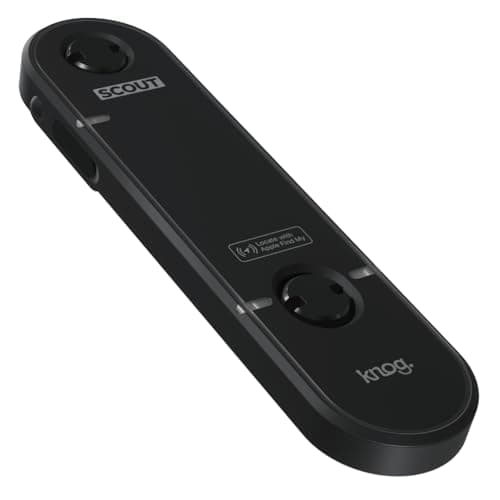
For most bikes the right answer is the Knog Scout: it bolts to the bottle-cage mounts so a thief cannot simply pull it off, it sounds an 85 dB alarm when the bike is moved, it reports through Apple Find My, and it costs nothing per month. If you are on Android, or your budget is twenty dollars rather than sixty, a hidden Bluetooth tag in a bolted mount does most of the job. A cellular tracker only earns its plan on a bike expensive enough to chase.
Bike theft is a different problem from car theft, and the difference decides the purchase. A bike is taken in seconds, carried away by hand or lifted into a van, and it usually ends up somewhere private rather than being driven down a public road. That means two things. First, a crowd-network tag is less reliable on a bike than on a suitcase, because a stolen bike often sits in a shed rather than passing through a railway station. Second, anything removable will be removed — so where the tracker is mounted matters as much as what it is.
The three shapes of bike tracker
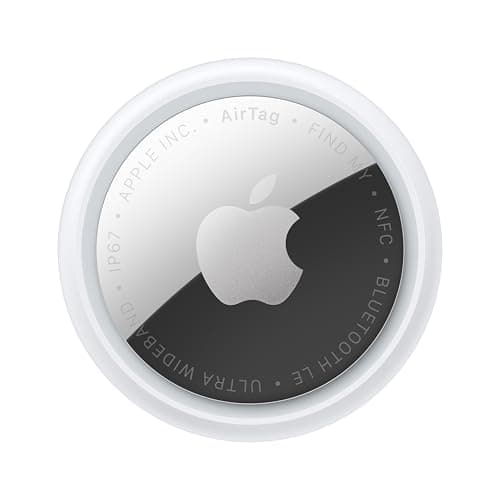
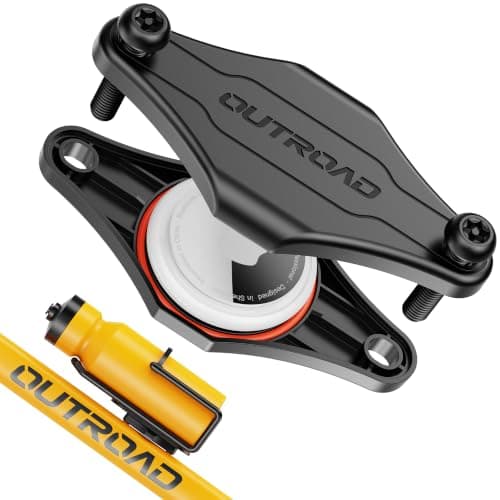
A bolted Bluetooth tracker. A tag or a Find My device fixed to the frame with an allen key. No fee, ever. It reports when somebody else's phone passes within Bluetooth range, so it works well in a city and poorly in open country. The Knog Scout is the grown-up version because it adds a motion alarm, which is the only part of this category that actively deters anybody.
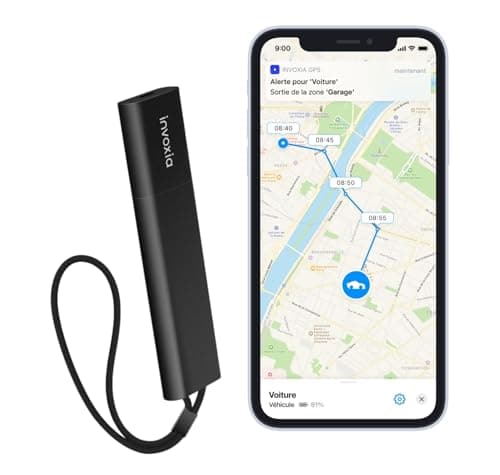
A low-power cellular tracker. A device with its own radio that reports periodically and alerts you when the bike moves. It works in a shed. It costs a plan, and the hardware is several times the price of a tag.
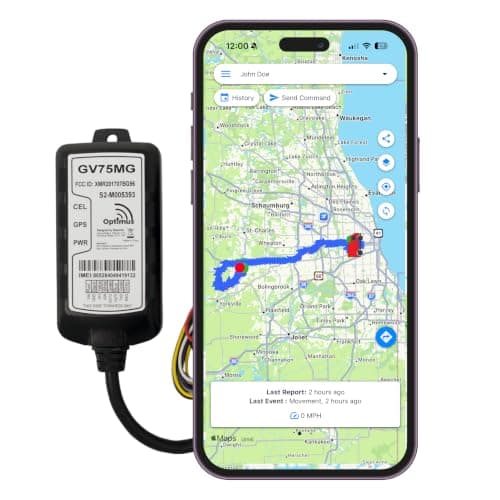
A hardwired cellular tracker. Realistic mainly on an e-bike, where there is a battery to draw from. Nothing to charge, properly concealable, and the plan question still applies.
Why the alarm matters more than the map
Recovering a bike through a tracker means finding where it is and then getting it back, which is a conversation with the police rather than a solo errand. Preventing the theft is a much better outcome, and a motion alarm going off while somebody is bent over your frame is the only thing in this category that prevents anything. That is the case for the Scout over a plain tag, and it is worth more than the spec sheet suggests.
Where to mount it
The bottle-cage bosses are the best spot on most frames: a mount bolts there, a cage hides it, and a thief hunting for a tracker checks the saddlebag first. Behind the rear reflector and inside the seatpost are the other two places people use. Anything sitting visibly on top of the frame will be found, so treat visible mounting as a deterrent decision rather than a tracking one.
Which one, by what the bike is worth
A commuter bike worth a few hundred dollars: a hidden tag in a bolted waterproof mount. Total cost under forty dollars, nothing to renew. You are buying a decent chance of knowing where it went, not a guarantee.
A bike you would be sick about losing: the Knog Scout. The alarm is the upgrade; the Find My network does the finding.
A bike that lives outside, or one worth four figures: a cellular tracker with a tow alert. Price the plan across three years before you decide — on this site that is the number that settles most arguments, and it is the one most product pages omit.
An e-bike: hardwire it. There is a battery, the install is a known job, and a tracker that never needs charging is the only kind still working in eighteen months.
Android changes the cheap answer
The Scout and most small waterproof bike mounts are built around Apple Find My. On Android the equivalent is a dual-network tag set up on Google Find Hub and hidden in the same bolted mount. It works the same way; the network is younger and thinner, which on a bike matters more than it does on a wallet. The Android tag options are here.
What none of these do
None of them stop the bike being taken. A tracker is what you buy after the lock, not instead of it, and the honest version of this page says so. A Bluetooth tag in particular only knows where the bike was when a phone last passed it — if that answer is “a residential garage, eleven hours ago”, you have information rather than a recovery. The difference between where it is and where it was is the decision underneath this whole page.