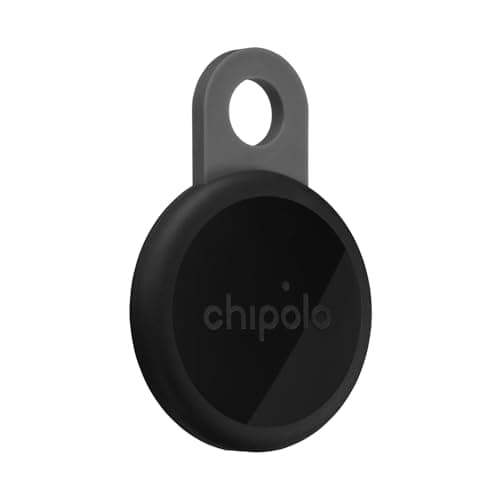
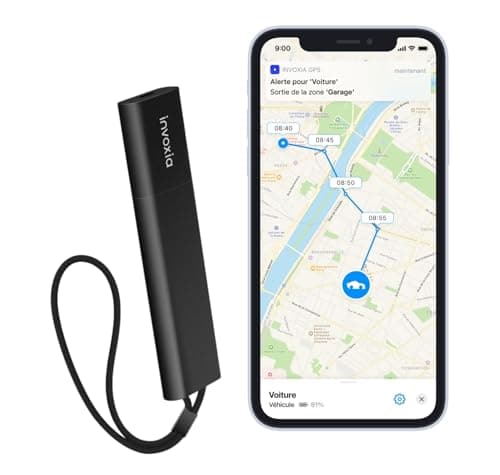
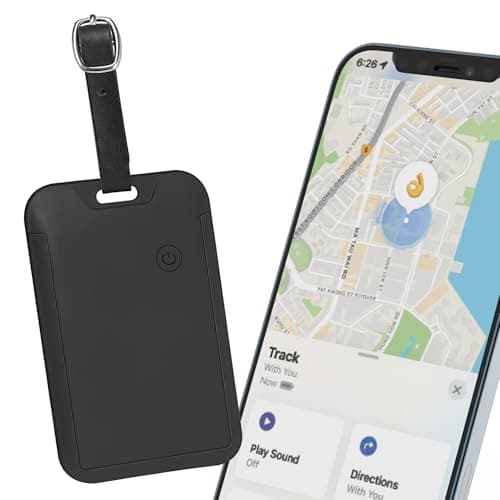
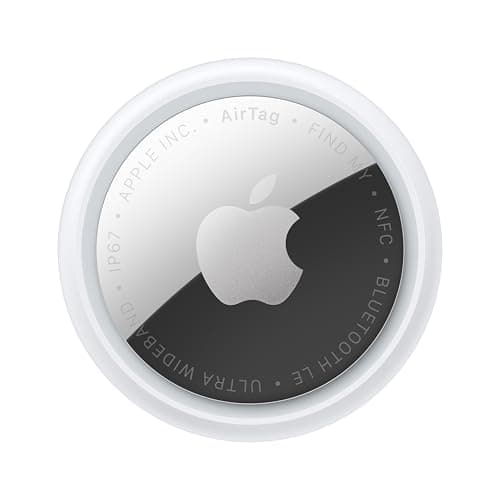
Most comparisons on this site end with “it depends on your situation”. This one does not. For luggage, a no-fee Bluetooth tag is the better product, and a cellular tracker is worse at the job while costing several hundred dollars more over three years.
Here is why, axis by axis.
Axis 1: coverage where luggage actually goes
A cellular tracker's advantage is coverage in places with no phones. Luggage never goes to places with no phones. It goes to airports, baggage sorting halls, aprons, delivery depots, hotel luggage stores and taxi boots — the densest concentrations of smartphones in existence.
So the tag's supposed weakness is not a weakness here. In a baggage hall a tag is heard by dozens of phones an hour.
Axis 2: coverage inside buildings, where it reverses
This is the axis people do not expect. A cellular tracker needs a mobile signal, and baggage handling happens in large steel-framed buildings and basements where cellular coverage is frequently poor. A tag needs a nearby phone, and those buildings are full of staff carrying them.
So inside the facility where your bag actually is, the tag often reports and the cellular tracker often does not. That is the opposite of the intuition and it is the strongest single argument on this page.
Axis 3: in the air
Both fail, differently. A tag gets no passing phones in a metal hold. A cellular tracker gets no signal at altitude — and is also supposed to be in airplane mode, which a tracker cannot do.
Expect silence from either in flight and a report on landing. No advantage to either.
Axis 4: cost over three years
Tag: the tag plus about three dollars of coin cells. Roughly $30, nothing recurring.
Cellular: the device plus a plan. At the cheapest published rate we cover — $8.95 a month — that is $322 over three years, and at $12.95 it is $466.
For a suitcase. Which is why nobody does it.
Axis 5: battery and attention
Tag: Apple states more than a year per coin cell; Samsung states up to 500 days. You fit it and forget it, which for an object you use four times a year is exactly the right relationship.
Cellular: days to weeks depending on reporting interval. A cellular tracker in a suitcase that lives in a cupboard between trips is a flat cellular tracker.
The narrow case for cellular
There is one, and it is worth naming so this page is not simply an argument.
Freight and shipping you need to follow continuously. A crate on a long road or sea journey, through regions where you cannot rely on footfall, where you need a position every hour rather than a position when someone passes. That is a logistics problem and a cellular tracker is the right tool, usually a low-power device with weeks of battery.
Very high-value cases where continuous confirmation matters — instruments, medical equipment, broadcast kit — may justify both: a cellular unit for continuous reporting and a hidden tag as the backup that keeps working inside the building.
For a holiday suitcase, neither applies.
What to spend the difference on
The $300 you are not spending on a cellular plan buys, in rough order of usefulness:
- Four tags instead of one, so every bag in the family is covered. The bag that goes missing is never the one you tagged.
- A second hidden tag in the same case, so a removed tag does not end the search.
- A proper hidden holder rather than a handle clip.
- Travel insurance that actually covers baggage, which does more for the outcome than any tracker.
The thing that matters more than the technology
Placement. A visible tag clipped to a handle is removable in two seconds by anyone who handles the bag, and a cellular tracker in the same place is equally removable. Hidden inside the lining, both technologies work far better.
If you take one thing from this page: the hiding place affects the outcome more than the choice between tag and tracker. We go through placement properly here.