Every cellular cat tracker needs a subscription, without exception, because there is a SIM in the collar. Weenect's own listing states it plainly. So a no-subscription cat tracker means one of exactly two technologies, and both have to clear the weight bar before anything else matters.
Radio, which is the surprising answer
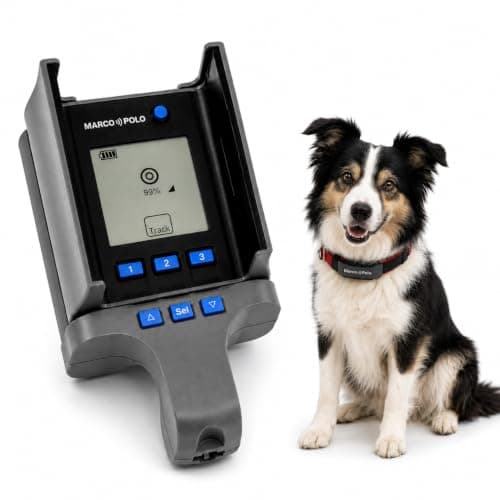
The Girafus system puts a 0.28 oz tag on the cat and a handheld in your pocket, talking directly over radio. No SIM, no network, no company that can disappear, and no monthly anything. It gives you live distance and direction — not a map, a direction — and it works with zero phone coverage.
For a cat, that weight figure is the headline. A great many cats reject cellular collars outright, and “the lightest thing that still gives live tracking” is a genuinely useful category that almost nobody writes about.
The trade: you have to be outside with the handheld. There is no app, no alert while you are at work, no map to check from the kitchen. It is a finding tool for when you are already looking.
Bluetooth tags, which cover the common case
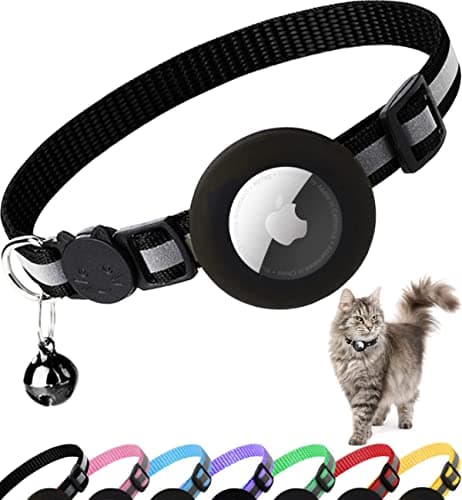
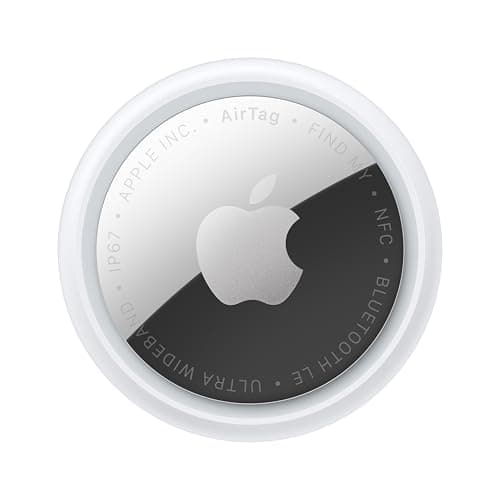
A tag on a breakaway collar, reporting through passing phones. Free forever, lighter than any cellular module, and — this is the part worth sitting with — it genuinely solves the most common way an outdoor cat goes missing.
Cats do not usually vanish into the countryside. They get shut in a neighbor's garage, a shed, a garden room, or under a parked car. All of those are places with houses and phones around them, which is exactly where a tag reports. And a tag that has shown the same position for six hours is how you learn the cat is trapped rather than wandering.
The trade: no phones, no reports. A rural cat on farmland is invisible to a tag.
The breakaway rule, which is not negotiable
Use a breakaway collar on any cat that goes outside. A collar that cannot release when it snags on a branch, a fence or a fence post is a strangulation hazard, and outdoor cats snag collars regularly. This matters more than every tracking consideration on this page.
Accept the consequence: a breakaway collar comes off, and when it does it takes the tracker with you. That is the right trade — a lost tag is better than a hurt cat — but it means a collar tracker is never a guarantee, and it is a strong argument for also having the cat microchipped and the registry details current.
A note on fit: two fingers under the collar is the usual guide, and a breakaway buckle only works if the collar is actually loose enough to release. A tight breakaway collar is a normal collar.
Weight, in numbers you can act on
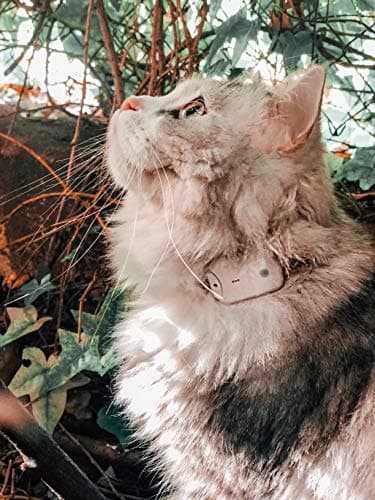
The general veterinary guidance for anything a cat wears is to keep the total well under a small single-digit percentage of body weight, which for a four-kilogram cat is a very small allowance once the collar itself is counted.
That is why 0.28 oz is a headline figure and why cellular cat trackers are sold as cat-specific products. If your cat has already shrugged off, chewed at or refused one tracker, weight is almost certainly the reason, and the next thing to try is the lightest device rather than a different brand at the same weight.
Introduce it gradually. Collar first for a week with nothing on it, then the tracker. A cat that associates the collar with the sudden arrival of a lump will fight both.
No-fee setups that actually work, ranked by cat
Indoor cat, occasional escape. Breakaway collar plus an AirTag. Total running cost: a coin cell a year. This is the correct answer and nobody sells it hard because there is no subscription in it.
Outdoor cat, a few gardens. Same setup. You will get enough positions from neighbors' phones to find a shut-in cat, which is the realistic scenario.
Outdoor cat, genuinely ranging, rural. The radio tag, and expect to walk. A tag will not report out there and a cellular collar needs a plan.
Several cats. Radio, because one handheld tracks multiple tags and you add a tag rather than a plan. Cellular platforms charge per tracker.
The thing that matters more than any of this
A microchip. It is passive, readable at a few centimeters by a vet or a shelter, and it does not locate anything — but it is how a cat gets home three weeks later from a rescue forty miles away, which is the outcome that actually happens.
Chip the cat, keep the registry entry current with your phone number, then buy a tracker for the separate problem of finding one today. The two solve different halves and only one of them survives the collar coming off.