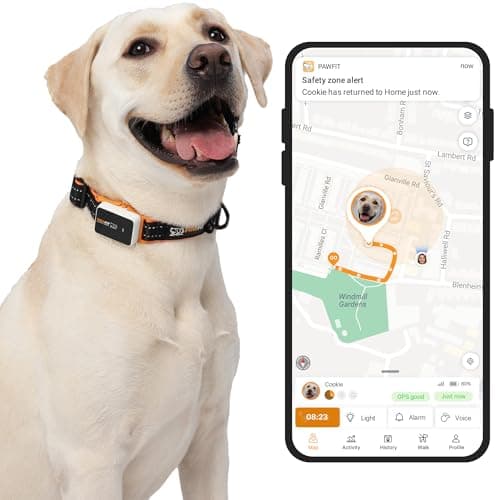
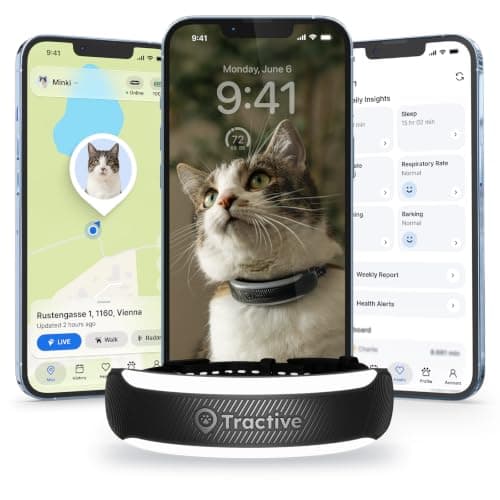
For a small dog that genuinely roams, the Tractive cat tracker is the pick — it is built to a cat's weight budget, which is precisely what a toy or small breed needs, and it gives real live cellular tracking. Expect $252 of plan across three years on Basic, which is the honest total. If you will not pay a subscription, the Girafus radio tag weighs 0.28 oz and costs nothing per month. If the dog never leaves a fenced yard, a light no-fee tag on the collar is the proportionate answer.
Dog GPS advice is written for Labradors. A collar module sized for a 70 lb dog is a meaningful load on a 10 lb one, and the general veterinary guidance people cite for wearables — keep the total under roughly 5% of body weight, collar included — rules out most of the market on a small breed before you have read a single specification. So this page sorts by weight first and capability second, which is the reverse of every other roundup about dog trackers.
Why a cat tracker is usually the right dog tracker
The pet-tracking industry builds its lightest hardware for cats, and a cat and a small dog have roughly the same weight budget. That means the cat-rated models are the ones to shop from, even though the box has a cat on it. Nothing about the tracking is different; the collar and the module are smaller, which is the only thing that was ever the problem.
The three technologies, on a small dog
Cellular. Live position from anywhere with coverage, on your phone, at any distance. The heaviest option and the only one with a monthly bill. Right for a small dog that bolts and keeps going.
Radio direction-finding. Featherweight tags, no network, no fee ever, and range in the hundreds of feet rather than miles. You walk with a handheld. Right for a dog that is hiding somewhere nearby rather than traveling.
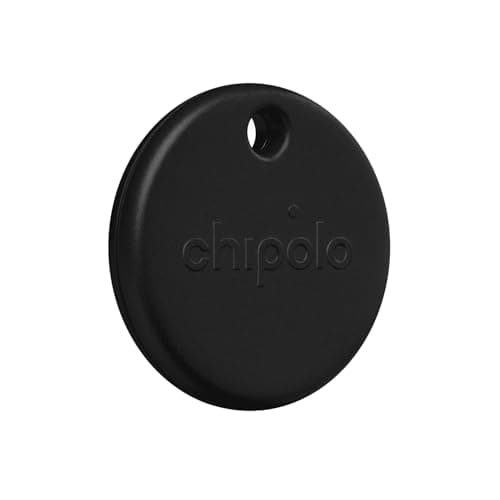
A Bluetooth tag. The lightest and cheapest of all, with no fee. It reports when somebody else's phone passes it, so in a suburb it covers the once-a-year escape and in the countryside it does very little. The tag-versus-GPS decision for dogs is worth reading before you spend anything.
Collar safety on a small dog
Weight is not the only constraint. A heavy module on a thin strap chafes, and a small dog with a tracker snagged on a fence is in real trouble. Use a strap wide enough to spread the load, keep the module on the underside of the neck where it is least likely to catch, and check the fit weekly rather than monthly on a growing or seasonally fluffy dog.
Which one, by what the dog actually does
Bolts out of the door and keeps running: cellular, and the lightest one you can find. That is the Tractive cat unit for most small dogs. The plan is $252 over three years on Basic and the collar is extra; we would rather tell you now than at checkout.
Hides in the neighborhood and will not come when called: a radio tag. The Girafus handheld walks you to a dog under a deck or in a hedge, which is where small dogs actually get lost, and it costs nothing monthly.
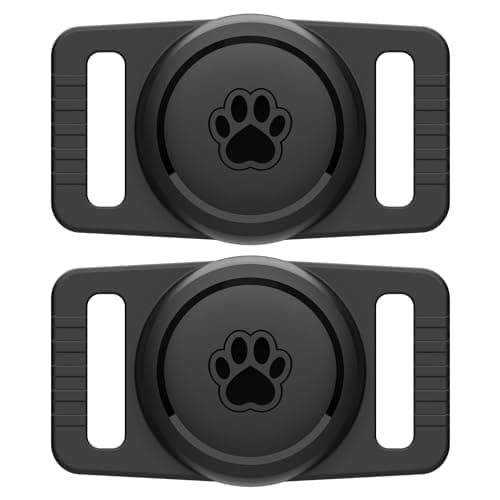
Stays in the yard and once got out through a gate: a no-fee Bluetooth tag in a waterproof collar holder. Twenty-odd dollars total, nothing to renew.
You want both: tag plus radio is a defensible pairing for well under a year's worth of cellular plan, and neither has a renewal date.
What the weight rule rules out
Hunting-grade radio collars, GPS containment collars and the chunkier 4G units are all too heavy for a small breed regardless of how good they are. If a product page does not state the module weight, treat that as an answer. The same goes for “fits all dogs” — it does not, and the dogs it does not fit are the ones on this page.
The subscription arithmetic, for a small dog
A cat-weight cellular tracker plus three years of Basic comes to more than the device price several times over. A radio tag or a Bluetooth tag is a single purchase. For a dog that bolts, the subscription is worth paying and this site says so. For a dog that mostly does not, the plan is buying reassurance rather than capability — and the three-year cost table shows exactly what that reassurance costs.
How we picked
We did not lab-test these trackers
Everyone in this category claims to have tested twenty devices. We have not tested any of them, and we say so on every page. What we did instead: read each manufacturer's published specifications and cite them with the date, find the actual subscription price and cite that too, and work out what thirty-six months of ownership costs at those published figures. Device prices come live from Amazon's API and expire after 48 hours rather than going stale. Where a figure could not be sourced to the manufacturer, the page says the spec is unconfirmed rather than borrowing it from a competitor's review. The full method is on the methodology page.
Working out what a tracker really costs? See the three-year cost of every tracker, compared.