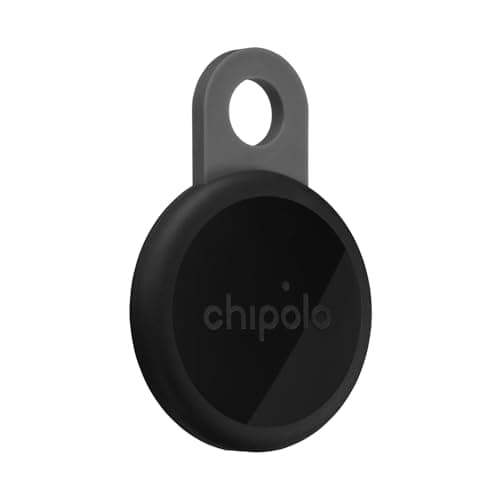
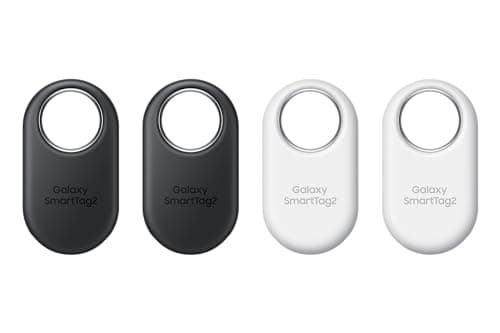
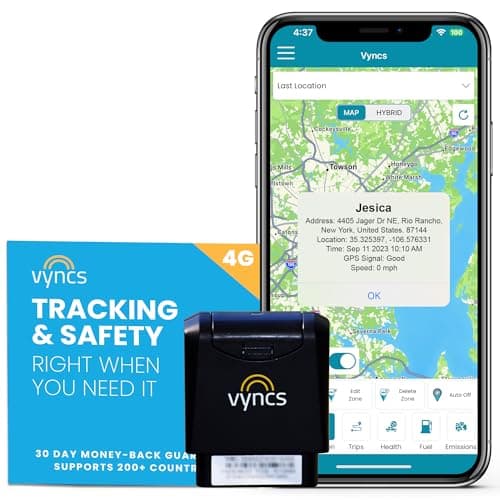
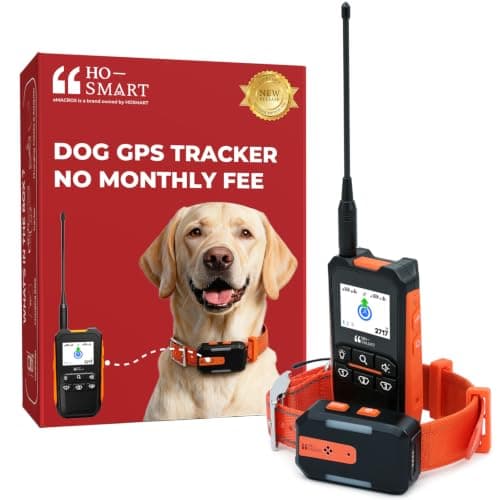
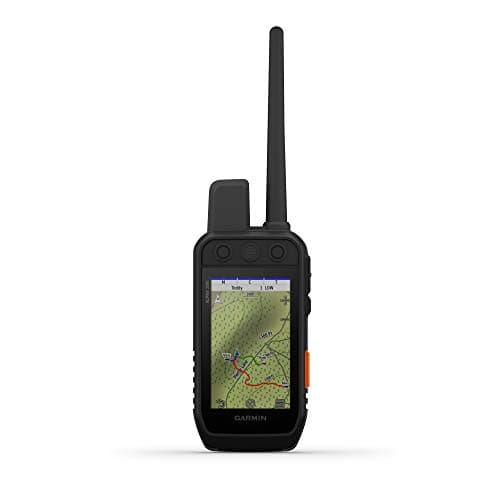
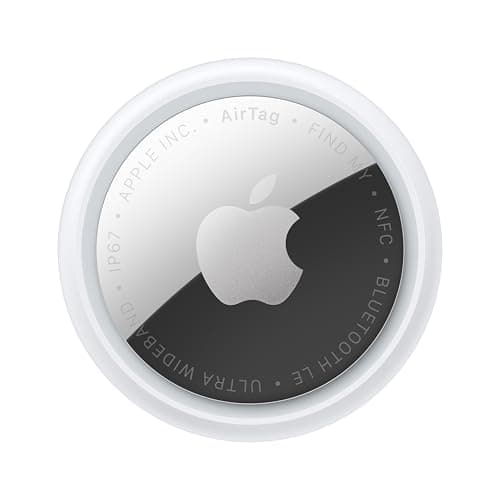
“No subscription” covers two genuinely different things and one thing that is a stretch, so this page is sorted by what each device is for rather than by price. All six cost you nothing recurring. They are not alternatives to each other.
The three Bluetooth tags at the top are free forever in the simplest sense: no SIM, no data, no company billing you. Apple, Google and Samsung carry the network traffic because tags make their ecosystems stickier, which is why there has never been a tag subscription and almost certainly never will be. What they cannot do is tell you where something is when nobody is nearby.
The Vyncs OBD device is the stretch, and we think an honest one. It is a cellular tracker with a real SIM and real data costs — the difference is that the service is prepaid into the purchase price rather than billed monthly. Nothing hits your card. Over thirty-six months that is cheaper than a $8.95-a-month dongle by a wide margin. Just ask what renewal costs before you buy, because prepaid service has a horizon.
The last two are the category nobody writes about: radio direction-finding. A handheld talks straight to the collar over license-free radio, with no network and no servers in between. It is live tracking, it works where there is no phone signal, and it is free forever because there is nothing to pay anyone for. You pay a great deal once instead.
Prices below are live from Amazon. The plan column is where this page differs from every other “no subscription trackers” list: for all six it reads $0, and we show the arithmetic behind that on the cost table.
How to pick between these six
They divide cleanly by two questions, and you can answer both in about ten seconds.
Will the thing be around other people?
If yes — keys, a wallet, luggage, a tool box, a car in a car park, a dog that gets lost in a neighborhood — buy a tag. Which tag depends only on your phone: AirTag on iPhone, SmartTag2 on a Galaxy, Chipolo LOOP on anything or if you are undecided. Stop there; you are done, and you have spent under forty dollars forever.
Will it be somewhere with no people and no signal?
Then tags are useless and so is cellular. That is the radio case: eMACROS for a dog at the affordable end, Garmin's Alpha system at the professional end. You carry a handheld, you get a direction and a distance, and you pay nothing ever again.
And if it is a vehicle?
A vehicle needs real-time reporting from anywhere, which only cellular provides — so the no-fee answer is a prepaid-service device like the Vyncs, not a tag. A tag in a car is worth having as a cheap second layer, and it will trace a stolen car through populated areas, but it will not follow one onto a motorway at night.
What we left off, and why
Several devices market themselves on “no monthly fee” and did not make this page. The most common pattern is a cellular tracker that bundles twelve months of service into the purchase and then charges a monthly rate from month thirteen. That is a free trial with a bundle discount, not a no-fee device, and it belongs on the page about which trackers need a plan rather than here.
We also left off the cheapest unbranded magnetic trackers advertised as subscription-free. Some are genuine. The problem is that the service they depend on runs on servers belonging to a brand with no history and no obvious reason to still exist in three years, and a tracker is a thing you buy precisely because you want it working later. For a trailer we would take the risk. For a car we would not.
The honest limitation of every device on this page
None of these gives you live nationwide tracking for free, because that does not exist. Live nationwide tracking requires cellular data and cellular data costs money — the only question is whether you pay it monthly or all at once. If someone is advertising live tracking anywhere in the country with no cost of any kind, read the terms again.
How we picked
We did not lab-test these trackers
Everyone in this category claims to have tested twenty devices. We have not tested any of them, and we say so on every page. What we did instead: read each manufacturer's published specifications and cite them with the date, find the actual subscription price and cite that too, and work out what thirty-six months of ownership costs at those published figures. Device prices come live from Amazon's API and expire after 48 hours rather than going stale. Where a figure could not be sourced to the manufacturer, the page says the spec is unconfirmed rather than borrowing it from a competitor's review. The full method is on the methodology page.
Working out what a tracker really costs? See the three-year cost of every tracker, compared.