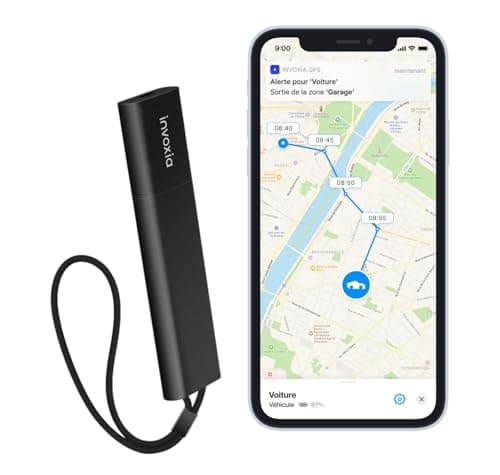
For most horse owners the best pick is the Invoxia GPS Tracker PRO on the halter or in a surcingle pocket: its battery is measured in weeks rather than days, which is the only thing that survives a horse you check on daily rather than carry around, and its motion alert is the right mechanism for a pasture escape. If you trail ride where there is no cell signal, a radio system such as Marco Polo is the technically correct answer and has no subscription at all. If the real worry is the trailer rather than the horse, put a magnetic cellular tracker on the trailer and stop there.
Start with the thing the category does not admit: there is no mainstream GPS tracker built for horses. Every device sold into this space is a pet, bike or vehicle tracker being repurposed, and the specifications are written for a 40 lb dog or a van. That is not a reason to buy nothing. It is a reason to pick by the job rather than by the marketing, because a horse owner usually has three separate problems and they want three different devices.
The three jobs, which need different hardware
Job one: the ride. You want to know where the horse is if you come off, or where the horse went if it leaves without you. This happens in open country, which is exactly where cell coverage fails. A cellular tracker works out its position perfectly from satellites and then cannot deliver it, so what you see is the last point it managed to send. Radio direction-finding has no network to lose and is the right technology here. Why cellular fails off-grid.
Job two: the pasture. A gate left open, a downed fence, a horse two properties over. Here you want an alert the moment something moves, and you probably have coverage because the pasture is near a road. Cellular with geofencing is right, and battery life is the binding constraint because nobody charges a halter tracker every three days for long.
Job three: the trailer. Statistically the most likely theft on a horse property is the trailer, often with tack inside it. That is a vehicle-tracking problem with a solved answer: a magnetic cellular unit, or a prepaid no-fee one. The trailer page covers it properly.
Fitting a tracker to a horse, honestly
Nothing here is a horse product, so mounting is on you. The places owners use are a halter cheekpiece or crownpiece, a surcingle or blanket pocket, and a breakaway turnout halter where one is already in use. Two cautions worth more than any spec: a rigid device on a halter is a snag hazard on a horse that rubs on fences, and a halter left on in turnout is itself a risk unless it is a breakaway. If your barn's policy is no turnout halters, then the blanket or the trailer is where the device goes, and in winter that works well.
What three years costs, per horse
Cellular plans are per device, so two horses is two subscriptions. Tractive publishes Basic at $9 a month on a one-year term and $6 a month on a two-year term, which is $252 over three years for one tracker and $504 for two. Invoxia's listing is explicit that no subscription is included with that version, so the plan is a separate line to confirm before you buy. A radio system costs a lot once and nothing afterward, which is why it wins outright on a multi-horse property over five years. Every plan on this site, costed over three years.
The short answer
Quick picks
Ranked by what each one costs to own for three years, not by sticker price. The plan column is the one most comparisons leave out.
| # | Product | Best for | Plan / 3 yr | Price |
|---|
| 01 | Invoxia GPS Tracker PROThe best shape for a horse that is checked rather than watched: battery measured in weeks rather than days, plus a motion alert for something that moved when it should not have. The subscription is not included, which the listing states plainly. | Weeks of battery on a halter or surcingle | Plan required Plan required | $99.00·Amazon |
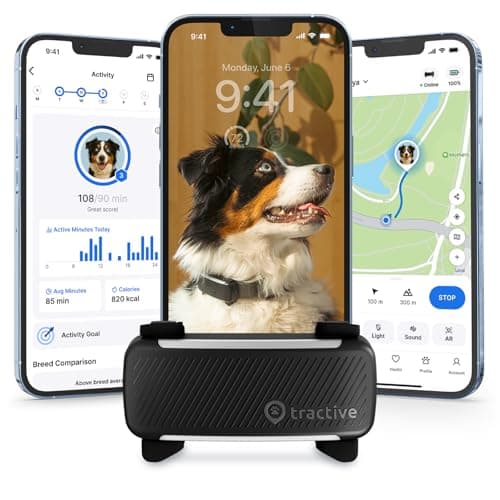
| 02 | Tractive Smart Dog GPS trackerSold as a dog tracker, and owners fit it to a halter or a surcingle pocket. It gives genuinely live cellular position and a virtual fence, for $252 of plan across three years. It is not a horse product and we will not pretend it is. | Live tracking where there is coverage | Plan required +$252 / 3 yr | $79.00·Amazon |
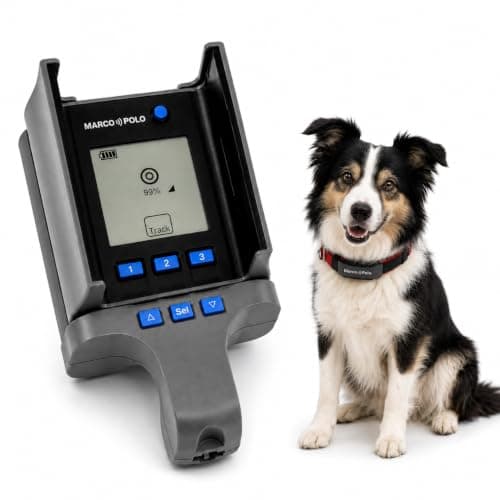
| 03 | Marco Polo Advanced pet trackerRadio direction-finding with its own handheld and no SIM anywhere in the system, so it works in the hollows and canyons where a cellular tracker goes silent. Pay once, never again. | Trail riding with no cell coverage, no fee | No monthly fee $0 | $329.95·Amazon |
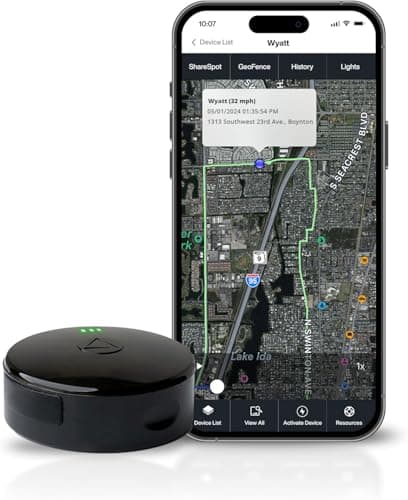
| 04 | LandAirSea 54A magnetic waterproof cellular tracker on the trailer itself. Horse trailers are stolen far more often than horses are lost, and this is the device for that problem. | The trailer, which is what gets stolen | Plan required Plan required | $14.95·Amazon |
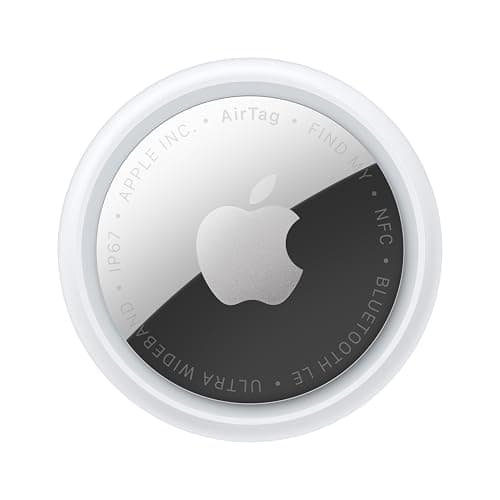
| 05 | Apple AirTag (2nd generation)A no-fee tag in the tack trunk and the saddle pad bag. It will not follow a horse, but a show barn full of iPhones is exactly the environment where a Bluetooth tag earns its money. | Tack, saddles and the stuff in the tack room | No monthly fee $0 + batteries | $24.00·Amazon |
#ad · Live prices from Amazon's product API, as of October 23, 2026. Where we have no verified live price we show none — a gap beats a number that has rotted. Plan figures are the brands' own published rates, cited in Sources below.
In detail
The picks, in full
Top pickPlan required#01 · Invoxia
Invoxia GPS Tracker PRO
Weeks of battery on a halter or surcingle
The best shape for a horse that is checked rather than watched: battery measured in weeks rather than days, plus a motion alert for something that moved when it should not have. The subscription is not included, which the listing states plainly.
The subscription reality
Invoxia's own listing is explicit that no subscription is included with this version — a plan is a separate purchase. Treat that as a warning on the box rather than a selling point.
Specs, as published by Invoxia
- ·Low-power network tracker with a long stated battery life
- ·Designed for bikes, motorcycles and vans
- ·Motion and tow alerts
Good
- +Battery life measured in weeks, not days
- +Good at the one job it exists for: telling you something moved that should not have
- +Well-made hardware
Not so good
- −No subscription included on this version, so the plan is an extra line on the bill
- −Low-power networks update less often than 4G
- −Expensive device
Skip it if
you want second-by-second tracking. This reports periodically; it is an alarm with a map, not a live feed.
Plan required#02 · Tractive
Tractive Smart Dog GPS tracker
Live tracking where there is coverage
Sold as a dog tracker, and owners fit it to a halter or a surcingle pocket. It gives genuinely live cellular position and a virtual fence, for $252 of plan across three years. It is not a horse product and we will not pretend it is.
The subscription reality
The collar is useless without a plan — the subscription pays for the SIM inside it. The cheapest honest route to three years on Basic is $252.
- Published monthly:
- $9 Basic (1-year), $6 Basic (2-year)
- Over three years:
- $252 on Basic (a 2-year term at $144 plus a 1-year at $108)
Specs, as published by Tractive
- ·Clips to any collar, cellular with built-in SIM
- ·Virtual fence alerts
- ·Live tracking with a walk-to-it mode
Good
- +The best-supported pet GPS on the market, and the one most likely to still exist in three years
- +Genuinely live tracking, which is what you need for a dog that runs
- +Virtual fence alerts actually work
Not so good
- −Needs a plan. $252 over three years on Basic is the realistic figure, and that is before the collar
- −Charge every few days
- −The plan is per tracker, so two dogs is two plans
Skip it if
your dog never leaves a fenced garden. For that dog a $25 Bluetooth tag and a sturdy latch is the better purchase.
No monthly fee#03 · Marco Polo
Marco Polo Advanced pet tracker
Trail riding with no cell coverage, no fee
Radio direction-finding with its own handheld and no SIM anywhere in the system, so it works in the hollows and canyons where a cellular tracker goes silent. Pay once, never again.
The subscription reality
Radio direction-finding, not cellular. No SIM, no network, no plan — which is exactly why it still works where there is no signal.
- Over three years:
- $0
Specs, as published by Marco Polo
- ·Radio direction-finding system with its own handheld locator
- ·No SIM and no subscription
- ·Long radio range in open country
Good
- +No fee ever, and no dependence on a company's servers staying up
- +Long range in open terrain
- +Multiple pets on one handheld
Not so good
- −Expensive up front — this is where the subscription money went instead
- −Handheld-only; no phone app
- −Bulky collar unit
Skip it if
you need the location on your phone while you are at work. Radio systems only help someone standing in the field.
Plan required#04 · LandAirSea
LandAirSea 54
The trailer, which is what gets stolen
A magnetic waterproof cellular tracker on the trailer itself. Horse trailers are stolen far more often than horses are lost, and this is the device for that problem.
The subscription reality
The 54 is a cellular tracker, so it needs a LandAirSea service plan to report anything. LandAirSea does not publish plan rates on a static page; check the current rate before you buy, because it is the larger half of the cost.
Specs, as published by LandAirSea
- ·Magnetic waterproof case for under-vehicle mounting
- ·Built-in SIM, 4G cellular reporting
- ·Made in the USA per the manufacturer's listing
Good
- +Genuinely real-time: it reports where the vehicle is now, not where someone last walked past it
- +The magnet mount means no wiring and no OBD port
- +Long-established device with a large owner base
Not so good
- −Needs a service plan, and the plan is the larger half of the cost
- −Battery-powered means recharging it on a schedule
- −Cheap sticker price is misleading until you price the plan
Skip it if
nobody will remember to charge it. A dead battery-powered tracker is worse than no tracker, because you think you are covered.
No monthly fee#05 · Apple
Apple AirTag (2nd generation)
Tack, saddles and the stuff in the tack room
A no-fee tag in the tack trunk and the saddle pad bag. It will not follow a horse, but a show barn full of iPhones is exactly the environment where a Bluetooth tag earns its money.
The subscription reality
No subscription. The only recurring cost is a CR2032 roughly once a year, which is pennies.
- Over three years:
- about $3 in coin cells
Specs, as published by Apple
- ·User-replaceable CR2032 coin cell; Apple states it runs more than a year
- ·IP67 (1 m for up to 30 minutes, IEC 60529)
- ·Ultra Wideband Precision Finding, 1.5x the range of the first generation
- ·Speaker 50% louder than the first generation
Good
- +No subscription, and Apple has never charged one
- +The Find My network is the largest crowd network in the world, so a lost AirTag in a populated area usually reports within minutes
- +Precision Finding walks you to it by distance and direction, not just a map pin
- +Battery is a coin cell from any supermarket, not a sealed pack
Not so good
- −iPhone only for setup and full use — there is no Android app
- −It has no GPS of its own: it reports when an Apple device walks past it, so it is a finder, not a tracker
- −No keyring hole, so you are buying a holder as well
Skip it if
you are on Android, or you need to watch something move in real time — an AirTag only knows where it was when someone last walked past it.
Which one, by what you actually do with the horse
Mostly pastured, checked daily, near a road: the Invoxia PRO. Weeks of battery and a motion alert, which is the mechanism that matches a gate left open.
Live position on your phone matters most, and you have coverage: the Tractive unit in a surcingle or halter pocket, with $252 of plan across three years budgeted from day one. Accept that it is a dog tracker doing a horse job.
You ride out in country with no bars: a radio system such as Marco Polo. No SIM, no fee, works in dead zones, and only helps somebody standing there holding the handheld — which, on a ride, is you. Treat the quoted range as a ranking, not a promise.
The trailer and the tack are the real exposure: a magnetic cellular tracker on the trailer and no-fee tags in the tack trunks. This is the cheapest meaningful risk reduction available to most horse owners and almost nobody does it.
Why a Bluetooth tag is not a horse tracker
A tag has no GPS and no SIM. It reports when a stranger's phone passes within Bluetooth range, so its usefulness is a direct function of how many phones go by. At a busy show ground that is a lot; in a back pasture it is zero, and zero is the number that matters because a back pasture is where a horse goes missing. The tag-versus-tracker decision, in full. Tags are excellent for tack, trunks and the trailer parked at a venue. They are not for the animal.
Microchips are not trackers
Worth saying because the search results mix them up. A microchip is an identification device read by a scanner held a few inches away. It proves ownership of a recovered horse, which is genuinely valuable, and it cannot tell you where the horse is. Both, not either: chip for identity, a tracker for location.
The failure mode to plan around
Flat batteries, every time. A tracker on an animal you see daily but do not handle daily goes dead quietly, and you find out on the one day it mattered. Pick the longest battery life you can live with rather than the best feature list, set a recurring reminder on your phone the day you fit it, and if the device has a low-battery alert, make sure that notification is actually switched on.
How we picked
We did not lab-test these trackers
Everyone in this category claims to have tested twenty devices. We have not tested any of them, and we say so on every page. What we did instead: read each manufacturer's published specifications and cite them with the date, find the actual subscription price and cite that too, and work out what thirty-six months of ownership costs at those published figures. Device prices come live from Amazon's API and expire after 48 hours rather than going stale. Where a figure could not be sourced to the manufacturer, the page says the spec is unconfirmed rather than borrowing it from a competitor's review. The full method is on the methodology page.
Working out what a tracker really costs? See the three-year cost of every tracker, compared.
Read next
Related
The table behind every recommendation on this site: device, plan, and what thirty-six months actually comes to.
Why cellular fails off-grid and which technologies do not.
The horse trailer is the likelier theft, and it has a cheaper answer.
The no-fee technologies explained, radio included.
Why 120 m on the box has almost nothing to do with whether you find your keys.
Bluetooth tags, cellular GPS and radio direction-finding are different products, not price tiers.