Pull the plastic tab to wake the battery, hold the AirTag next to an unlocked iPhone, tap Connect when the card slides up, give it a name, and tap Done. There is no app to install and no subscription at any point — the Find My app is already on the phone and the Apple Account you already have is the only account involved.
The five steps
- Unwrap and pull the tab. The tag ships with the battery insulated by a plastic tab around the rim. Pull it all the way off. You should hear a chime — that is the tag powering up for the first time.
- Unlock your iPhone and hold the tag next to it. Top of the phone, within a couple of inches. Bluetooth needs to be on, and it is worth being on Wi-Fi or cellular so the tag can register with your account.
- Tap Connect on the card that appears. It slides up from the bottom of the screen by itself. If it does not, skip to the next section.
- Name it. Pick from the suggested list or type your own. Name it for the object — “House keys”, “Blue suitcase” — not for where it currently is, because the location is the one thing that changes.
- Tap Done, then find it once on purpose. Open Find My, choose Items, select the tag and tap Play Sound. Confirming it works now is better than discovering it does not when something is missing.
When no setup prompt appears
This is the common failure, and it is almost always one of five things.
- The phone is locked. The prompt only appears on an unlocked screen.
- Bluetooth is off, or Find My is not enabled. Both need to be on, and your Apple Account must have Find My switched on for the device.
- The tag is already paired to somebody else. A second-hand or already-used tag must be removed from the previous owner's account before it will pair with yours. Nobody else can do that for you, which is a theft-deterrent feature.
- The battery tab was not fully removed, or the cell is flat. No chime means no power. Open the tag and check the cell.
- It is an Android phone. There is no AirTag app for Android and never has been. An Android phone can read a found AirTag over NFC, which is the anti-stalking mechanism rather than a setup path. Buy a Find Hub tag instead.
After a battery change
Nothing. The tag stays paired to your account through a battery swap — you do not set it up again. What you may see is the tag disappearing from Find My for a few minutes until it reconnects, and a chime when the new cell seats. If it does not come back, check the cell is the right way up and that it is not a bitter-coated one, because some of those do not make proper contact in an AirTag. The battery procedure.
Moving a tag to a new iPhone
Also nothing, as long as the new phone signs in to the same Apple Account. Items live on the account rather than on the handset. You only need to re-pair if you are giving the tag to somebody else, in which case you remove it from your account first and they set it up as new.
The short answer
Quick picks
Ranked by what each one costs to own for three years, not by sticker price. The plan column is the one most comparisons leave out.
| # | Product | Best for | Plan / 3 yr | Price |
|---|
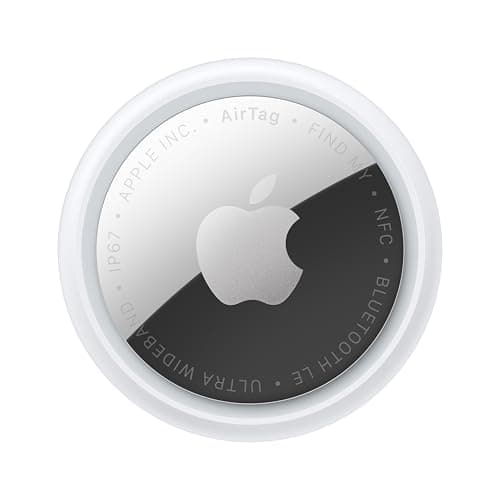
| 01 | Apple AirTag (2nd generation)No app, no account beyond the Apple Account you already have, and no subscription at any point. Setup is a prompt and a name. | The tag itself | No monthly fee $0 + batteries | $24.00·Amazon |
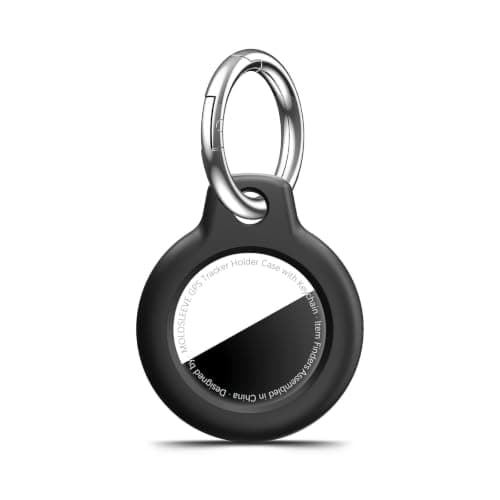
| 02 | AirTag keyring case (multi-pack)Fit the holder during setup, not later. A tag rattling loose at the bottom of a bag is the most common way one gets separated from the thing it was tracking. | Before you lose it loose in a bag | No monthly fee $0 | $4.99·Amazon |
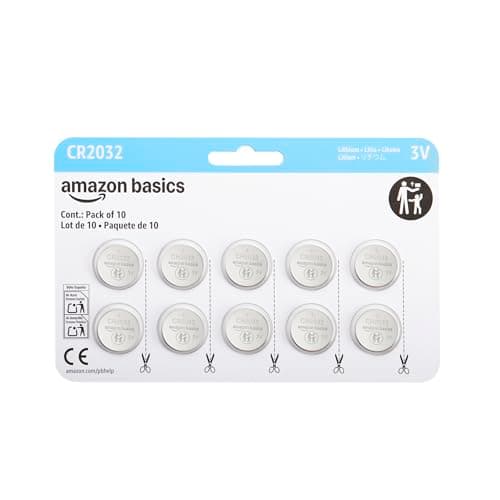
| 03 | CR2032 coin cells (multi-pack)A weak cell reduces transmit power before it kills the tag. Keep a multi-pack; the entire recurring cost of an AirTag is about a dollar a year. | When the prompt stops appearing | No monthly fee $0 | $9.99·Amazon |
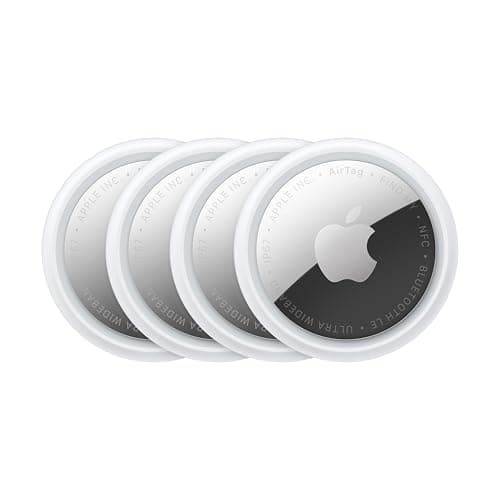
| 04 | Apple AirTag 4-pack (2nd generation)Set each one up separately and name it for the thing rather than the room. Four tags all called AirTag is a problem you create once and regret for years. | Setting up several at once | No monthly fee $0 + batteries | $89.00·Amazon |
#ad · Live prices from Amazon's product API, as of October 11, 2026. Where we have no verified live price we show none — a gap beats a number that has rotted. Plan figures are the brands' own published rates, cited in Sources below.
The three settings worth changing
Turn on Notify When Left Behind. This is the feature that prevents loss rather than fixing it: the phone tells you when you walk away from the tagged item. It is free, it is off by default for some items, and it is the single most useful thing in the app.
Set Lost Mode ready, not later. You can add a phone number or email shown to anyone who finds the tag. Doing it while you are already in the app takes ten seconds; doing it while something is missing is one more thing to work out under pressure.
Exclude the places you do not want alerts. Separation alerts at home and at work are noise. Mark those locations as trusted so the alerts mean something when they fire.
Naming, and why it matters more than it sounds
Name the tag for the object, permanently, and use a name you will recognize in a list at six in the morning. If you have several, make them obviously different — “Car keys” and “Spare keys” rather than “Keys” and “Keys 2”. If you bought a four-pack, color-coded holders are worth the few dollars for the same reason.
Physical setup: fit the holder now
An AirTag has no keyring hole, which means it needs a shell to attach to anything. Fit it during setup. A loose tag in a bag migrates to the bottom, gets separated from the thing it was supposed to be tracking, and ends up tracking the bag — which is sometimes what you wanted and usually not. The holders worth buying.
One thing to know about other people's tags
Both iPhone and Android will warn somebody if an unknown tag is traveling with them, and an unattended tag away from its owner starts making noise after a while. That is deliberate and it is a good thing — but it also means a tag placed in somebody else's belongings will announce itself, and placing one there is a different matter entirely. What the law says.